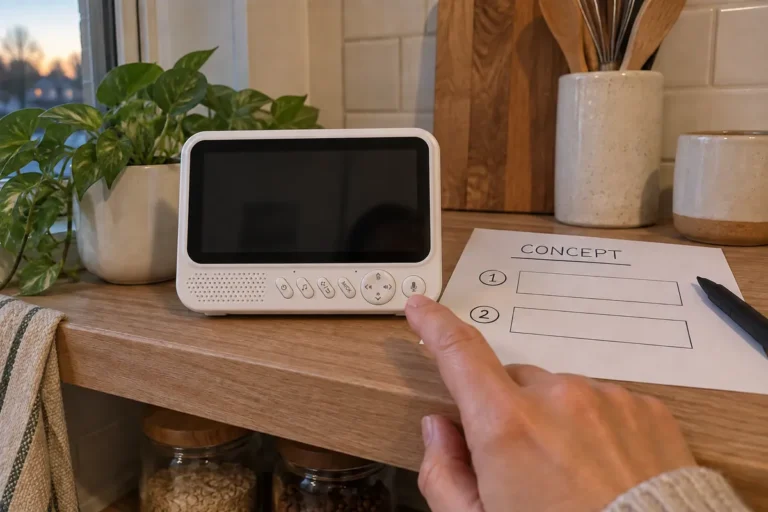
Why Does Your Baby Monitor Still Look Like a 2005 Webcam? (It’s Not the Sensor — It’s the Chip)
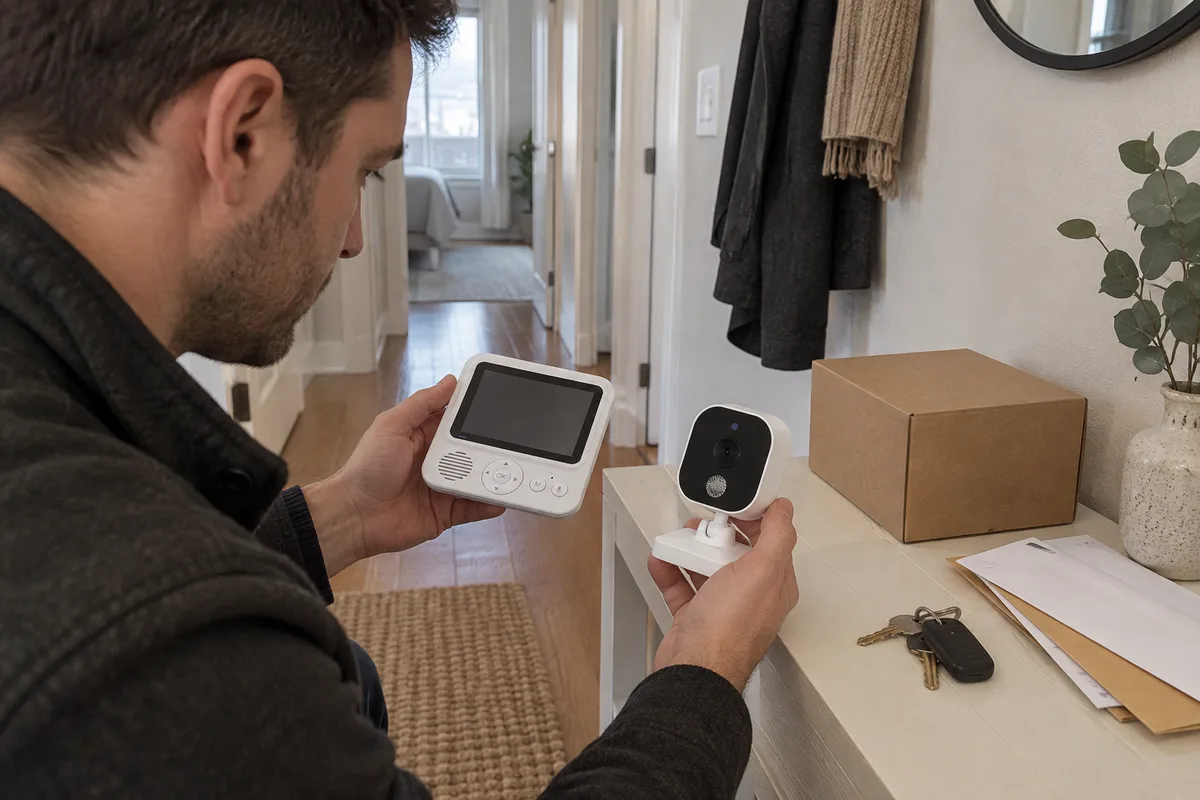
I remember the exact phone call.
It was late 2020. A seller with a small but growing Amazon US brand reached out. He had done his homework — sort of. He'd been studying the top-selling baby monitors on Amazon. He knew which models were moving. He knew the price points. And he had a clear ask.
"I need VGA. Can you do VGA?"
I paused. 640×480. In 2020. The phone in his pocket probably shot 12-megapixel photos. His laptop screen was likely 1080P or better. Yet here he was, ready to sink serious money into launching a baby monitor that would show parents a pixelated, grainy feed of their child.
"Can I ask why VGA?" I said.
"Because that's what the bestseller uses. And the cost is great."
That's when it clicked for me. This guy wasn't making a bad decision. He was making a rational decision based on incomplete information. He had studied the market, but he'd misunderstood what he was looking at. He thought the bestseller was successful because of its spec. In reality, it was successful despite it — propped up by brand momentum and a lack of informed competition.
I told him: "Come to the factory. Bring your eyes. I'll show you why that bestseller is vulnerable, and why the margin on VGA isn't worth the return rate it'll generate."
He flew down the following week.
What Did He See in Our Lab That Changed His Mind Instantly?
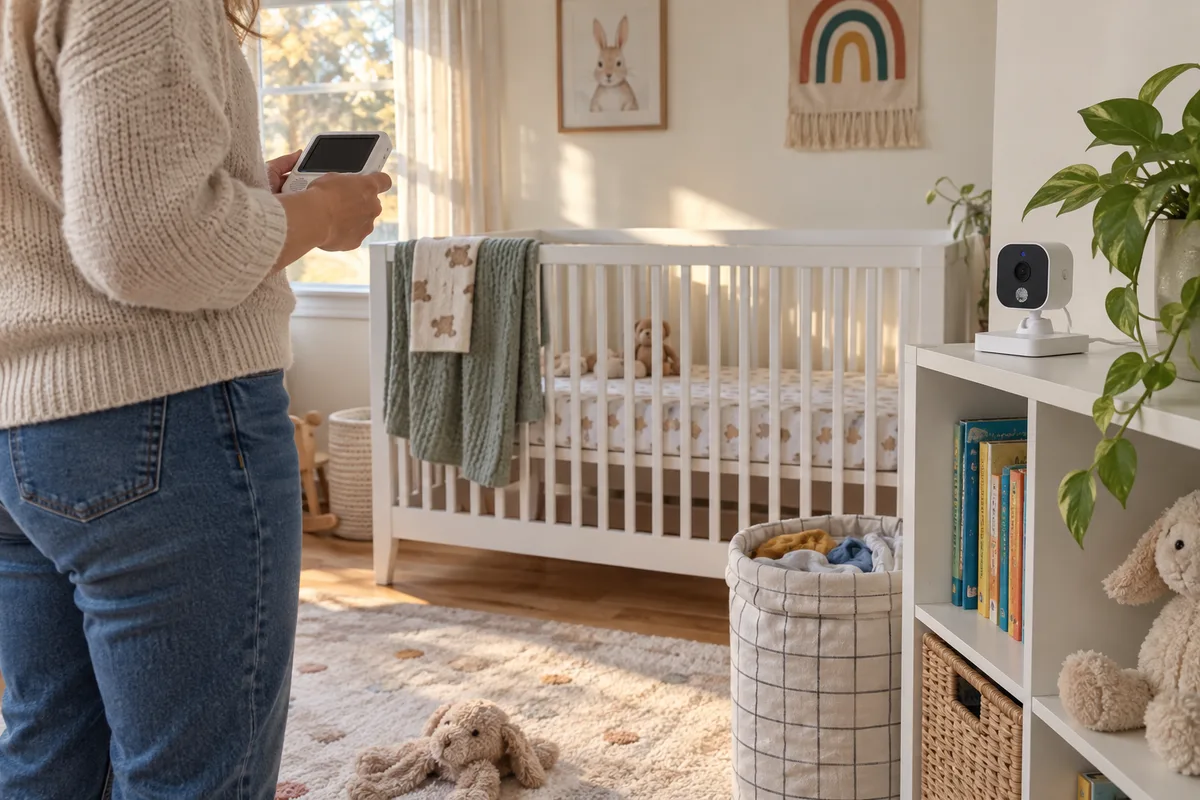
We set up two monitors side by side. One running the VGA sensor + 2M wireless chip combination that was still the industry default in 2019–2020. The other running a 720P HD sensor paired with a 4M wireless modulation chip — the Shengke 7130, which we had adopted about a year earlier.
Same room. Same lighting. Same distance. Same baby doll in the crib.
The difference wasn't subtle. On the VGA unit, the doll's facial features were a blurry suggestion. On the 720P unit, you could count the stitches on its sweater.
He stared at both screens for maybe ten seconds. Then he turned to me and said, "Why is the bestseller still VGA?"
Fair question. The answer is simpler than most people think.
Baby monitor manufacturers in the 2010s built their products around chips designed specifically for baby monitors — primarily from Taiwan-based Songhan. These were mature, stable, well-documented chips. They did one thing reliably: transmit low-resolution video over a dedicated 2.4GHz link. They were the safe choice. Nobody got fired for picking Songhan.
But here's the thing about "safe choices" in hardware: they calcify. While the rest of the consumer electronics world was racing toward higher resolution, baby monitor SOCs stood still. Why? Because nobody in the supply chain was demanding better. Sellers ordered what was available. Factories built what sellers ordered. Chip makers built what factories bought. A perfect closed loop of mediocrity.
We broke that loop by looking outside the baby monitor chip ecosystem entirely.
Where Did the HD Upgrade Actually Come From? (Spoiler: Not the Baby Monitor Industry)
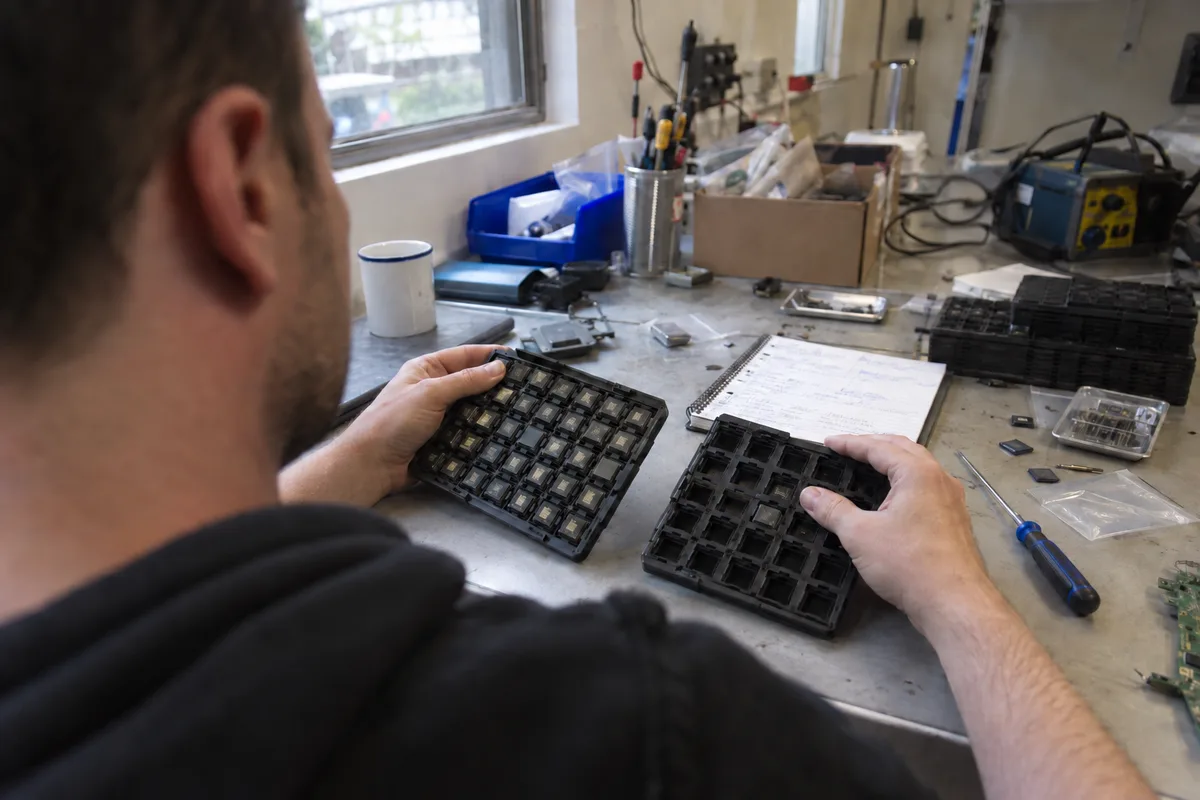
The chips that eventually dragged baby monitors into the HD era didn't come from a baby monitor supplier. They came from the automotive dash-cam industry.
Dash-cam SOCs — from manufacturers like Jerry — are built for a fundamentally different job than traditional baby monitor chips. They're designed to capture, encode, and store continuous high-definition video. They have native SD card interfaces. They handle real-time H.264 encoding at 720P and above. They're optimized for low light, fast motion, and relentless reliability.
And — this is the part that matters for procurement — they're cheap. Not because they're low quality, but because the dash-cam market is enormous and fiercely competitive. The per-unit cost of a dash-cam-grade SOC with full 720P encoding capability is often lower than a legacy baby-monitor-specific chip that can barely push VGA. Economies of scale work in your favor when you borrow from a bigger market.
We paired a dash-cam SOC with the Shengke 7130 4M wireless chip. The result was a 720P baby monitor with a BOM cost that was entirely competitive with VGA alternatives. Not slightly more expensive. Competitive.
Later, when we upgraded from 4M to 20M-bandwidth wireless chips, the same 720P sensor delivered an even cleaner image — better color, fewer compression artifacts, smoother motion. Same sensor. Same price. Just a smarter pipeline behind it.
Is That VGA Margin Worth a Single Penny? (Here's What the Spreadsheet Won't Tell You)
Let me be blunt about something, because I've seen too many sellers fall into this exact hole.
VGA baby monitors are cheaper to build. The sensor costs less. The wireless chip costs less. You can mark it up 2× over BOM and still undercut a 720P product on retail price. On a spreadsheet, it looks like easy money.
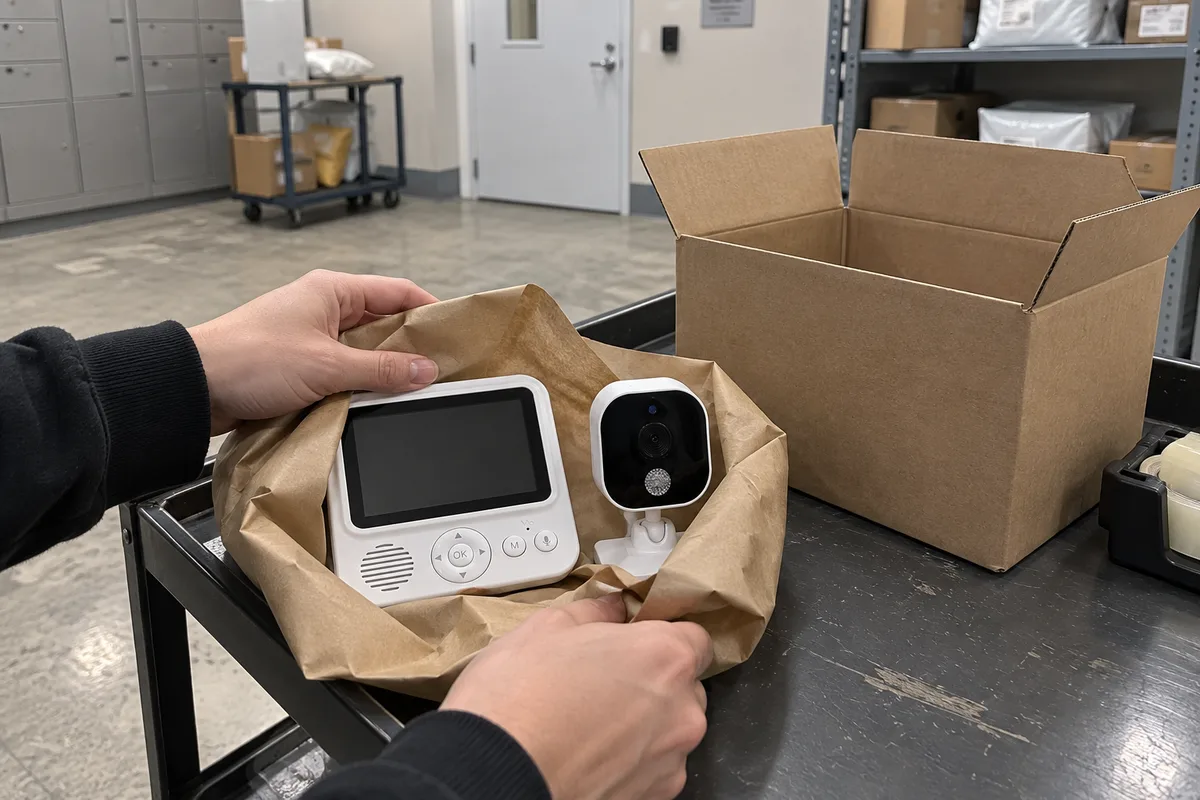
What the spreadsheet doesn't show you:
Return rates. We've had sellers tell us that image quality complaints are consistently in their top three return reasons. A customer who opens the box expecting a clear picture and sees blocky 320×240 effective resolution is a customer who's about to click "Return."
Review velocity. Go to Amazon right now. Pull up the one-star reviews on any VGA baby monitor listing. Count how many mention "blurry," "pixelated," "can't see my baby," or "looks like a 2005 webcam." Those reviews don't age out. They accumulate. Every single one is a conversion killer sitting permanently on your product page.
The comparison trap. Your customer isn't comparing your monitor to other baby monitors. They're comparing it to their phone screen. Their laptop. Their TV. Every other screen in their life is HD or better. When your product is the only pixelated thing they own, it doesn't feel like "a good value monitor." It feels broken.
The seller who visited our factory understood this the moment he saw both screens. He killed his VGA plan on the spot. He repositioned his brand as a premium offering. Within two years, he was in the top 20 of his category on Amazon US. He's still a major partner today.
What Should You Actually Check When Sourcing a Baby Monitor?
If you're evaluating baby monitor suppliers right now, here's what I'd suggest you look at — not on the spec sheet, but under the hood.
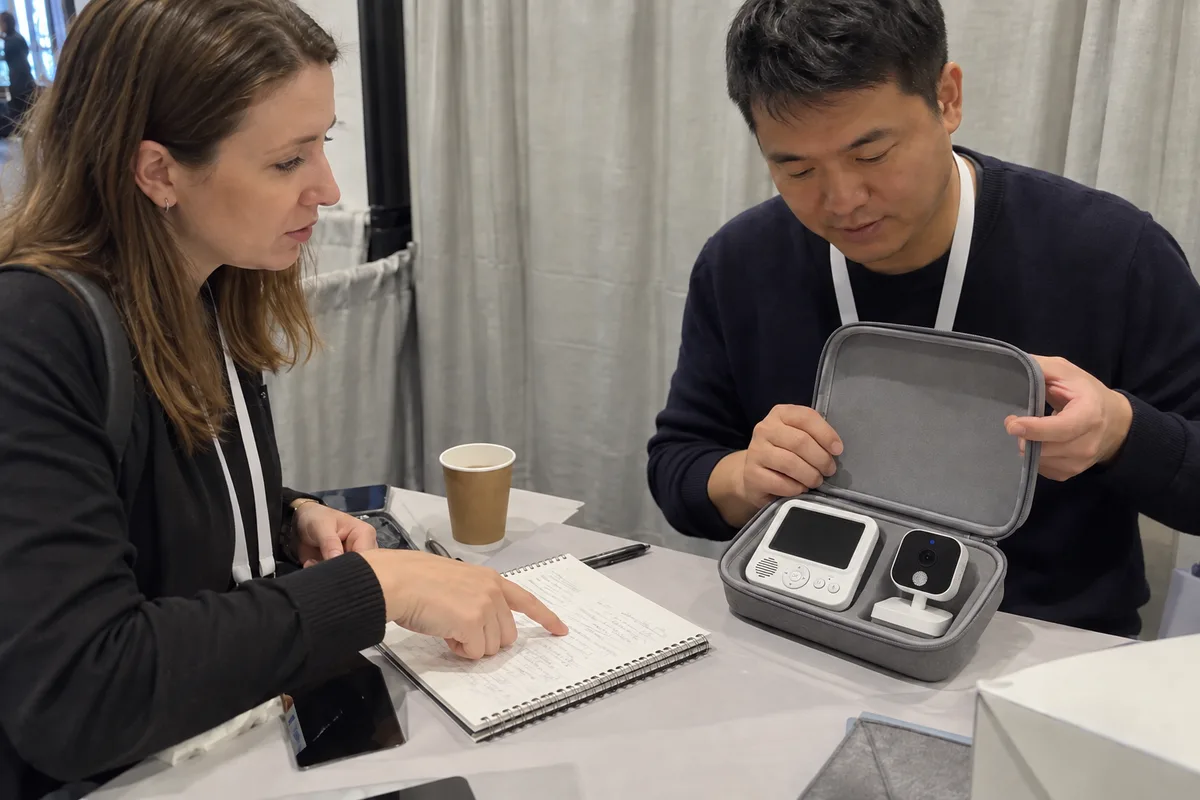
1. What SOC Are They Using? (Don't Accept "It's a Baby Monitor Chip")
A legitimate manufacturer should be able to tell you the SOC model number and its origin category (dash-cam, IP camera, or dedicated baby monitor). If they can't or won't tell you, they're probably reselling an ODM design they don't fully control — and they can't upgrade it.
2. Is It Really 720P — or Just Upscaled VGA?
Some products claim "720P support" while using a VGA sensor with software upscaling. Ask the specific question: "What is the native pixel count of the CMOS sensor?" The answer should be 1280×720 (1MP) at minimum.
3. Can the Wireless Chip Actually Handle 720P Bandwidth?
A 720P sensor feeding into a 2M or 4M wireless chip is like a fire hose connected to a garden pipe. For genuine HD transmission, the modulation chip should be 10M bandwidth or above. Ask for the chip model and look it up.
4. Are You Benchmarking Against Baby Monitors — or Against a Smartphone?
The right comparison for your product isn't "what other baby monitors look like." It's "what your customer expects a screen to look like in 2026." If your monitor would have looked bad next to a smartphone from five years ago, it's going to get returned.
5. Have You Seen It With Your Own Eyes?
Not photos. Not spec sheets. Not a video call. Actual hardware, in your hands, in a real room with real lighting. Put it next to a competitor's unit. If you can't see a clear difference, neither will your customer — and that's a problem regardless of what the datasheet says.
At Anhong, we made the bet on 720P back in 2019, when most of the industry was still shipping VGA. It wasn't the cheapest path. But it was the right one — for our partners' return rates, for their reviews, and for the parents who rely on these products every night.

If you're thinking about launching or upgrading a baby monitor line, let's talk. Not about specs. About what your customer actually sees when they open the box. Bring your market, your target positioning, and your questions. We'll figure out the right architecture together.