What Should Buyers Compare When a Baby Monitor Offers Digital Zoom?
Compare baby monitor digital zoom by viewing task, lost context, return controls and configuration to build a practical, reviewable sample brief for buyers.
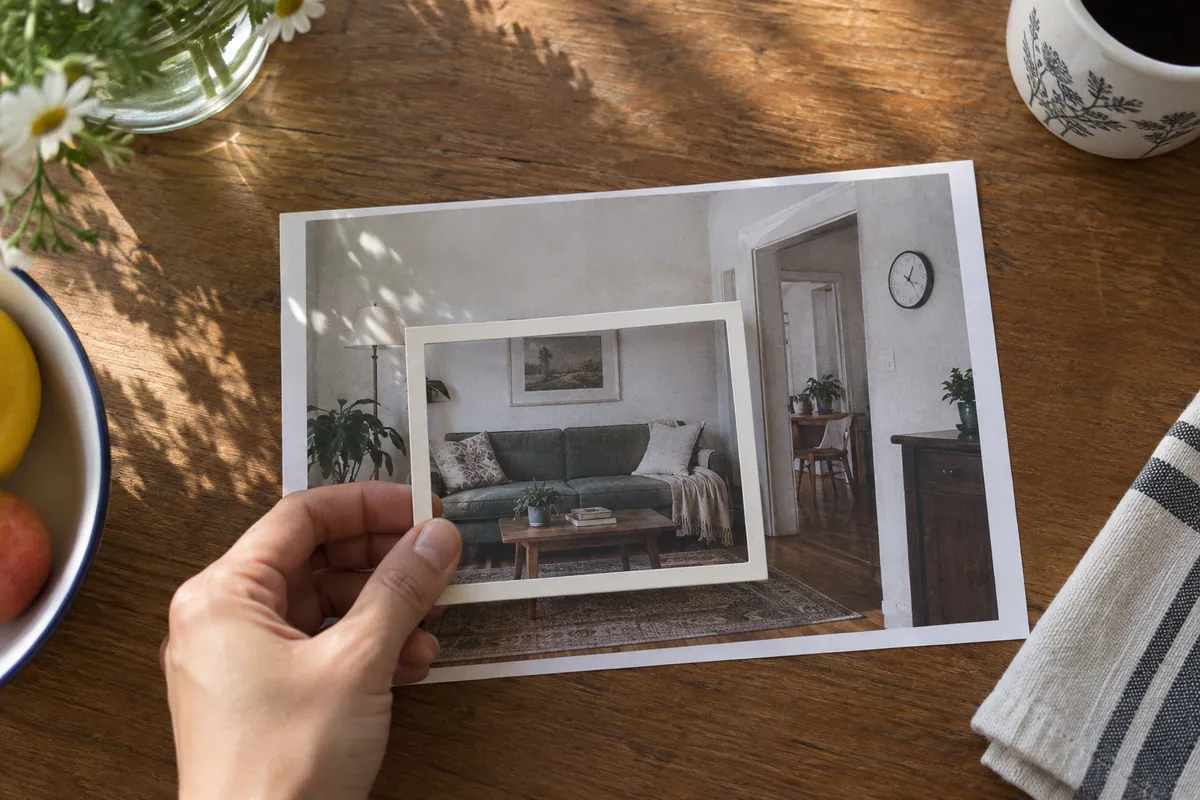
Buyers should compare digital zoom by asking what becomes easier to interpret, what leaves the frame, and how the user returns to the overview. A larger picture in a demonstration is not enough to settle those questions. The chosen behavior needs to fit the parent unit, app, and support promise of the actual configuration being sourced.
Why is a larger picture not automatically a better view?
Digital enlargement is not evidence of extra captured detail. For an illustration of the distinction, Nikon's S600 manual, page 23, describes digital zoom using cropping and, at some settings, interpolation. That is a documented camera example, not a specification for the baby monitor under review. Ask how the offered product creates its enlarged view and compare the actual information available for the task.
A parent checking a local detail may need a different view from someone checking whether the whole cot is visible. At a closer view, a detail can occupy more of the screen while the surrounding context disappears. Avoid turning that closer view into an unsupported health or detection claim.

We suggest that buyers stop asking for “more zoom” as a feature request. Instead, name the decision the user is trying to make. Is the task to inspect a local detail, to maintain awareness of the whole sleep space, or to move repeatedly between both? A feature specification that does not name the task often produces a sample review based only on the most flattering frame.
What should the same-target comparison show?
Use one stable target and compare the full view with each offered zoom step. Do not change camera position, room lighting, display brightness, network route, or subject position between frames. The aim is not to assign a universal score. It is to expose the trade-off that the product team is choosing.
| View | What can the reviewer identify? | What leaves the frame? | What should be recorded? |
|---|---|---|---|
| Full view | room and cot context | fine local detail | intended default task |
| First zoom step | nearby local detail | some surrounding area | control label and return path |
| Highest offered step | the relevant local region, if usable | much more context | whether the task is still interpretable |
The record should include the actual product configuration and software build used for the observation. It should not imply that one sample proves performance for a later sensor, display, or firmware revision.
How should buyers separate zoom from image quality claims?
This is deliberately narrower than a camera-resolution or latency review. A sharp full-screen image can still be a poor zoom experience if the user loses orientation; a modest image can still support a useful close look for one defined task. Keep detail, motion behavior, delay, and zoom interaction as separate observation columns. That makes a commercial discussion clearer: a brand can decide whether a closer view is worth a more deliberate navigation path without quietly claiming a higher capture specification.
ANHONG's product-definition and App/UI development scope makes the task brief a useful OEM input: for example, “check a local detail, then return to the overview.” A buyer can discuss how that task belongs in the proposed interface and sample review. This does not mean every platform has the same zoom range or image behavior; confirm those points for the offered configuration.
Which interaction details change the sourcing decision?
The review becomes more valuable when it follows the entire action rather than stopping at the enlarged picture. Can the user tell that zoom is active? Can they return to the full view without hunting through a menu? If the camera can pan or tilt, does the user understand whether the view changed because of zoom, camera movement, or both? Is the selected view preserved after a temporary status event? Those are product-definition questions, not cosmetic questions.
Try a short repeatable sequence: start at the default view, choose a predefined observation task, enter one zoom step, return to the default, and repeat it on the intended viewing surface. Record what the reviewer had to infer. If a behavior needs a label, help text, or a different control placement, capture that as an open decision rather than calling it a defect without an agreed requirement.
How can a Zoom Information Trade-Off Sheet help?
| Buyer input | Proposed decision | Evidence to request | Open question |
|---|---|---|---|
| primary viewing task | default framing | sample observation | what must remain visible? |
| closer-inspection task | allowed zoom steps | recorded screen sequence | how is orientation restored? |
| channel and user profile | parent unit, app, or both | offered configuration | where is support guidance needed? |
| change-control need | behavior to freeze | build/version record | what requires re-review? |
This proposed sheet is not a laboratory test or a promise of detection quality. Its value is that it asks the brand to make the information loss visible before artwork, manuals, and support scripts lock in a different expectation.
What should be retained after the sample review?
Keep the task statement, full-view and zoom-view captures, version identifier, controls used, and decisions on default framing and return behavior. If the requirement changes later, those records explain whether the team changed an image preference, an interface flow, or a product-positioning promise.
Frequently asked questions: what should digital zoom reviews answer?
What if the app and parent unit offer different zoom steps?
Keep separate route records. A useful enlarged app view does not establish what the parent unit can show, and the product copy should identify which route offers the feature.
Can a reviewer compare saved screenshots from different sessions?
Only after checking the scene, view, configuration and task are comparable. If those conditions are missing, use the screenshots to formulate a question rather than rank the samples.
Should a zoom preference be retained after switching cameras?
That is a requirement to decide, not an assumed benefit. Define whether each camera has its own preference, then ask how the offered configuration makes the active view understandable.
What changes if the brand sells a smaller parent-unit variant later?
Revisit the reading task and the return-to-overview interaction on that surface. Retaining the same zoom labels does not establish that the viewing experience remains suitable.
When your product brief needs to turn a zoom request into a reviewable user task, contact ANHONG.