How to Choose a Baby Monitor Supplier
A reliable supplier evaluation should compare the product platform, differentiation scope, quality controls, model-specific compliance, MOQ, samples, lead time, packaging and repeat-order support rather than focusing only on unit price.
This guide provides a starting route. Final selection requires model specifications, software scope, compliance, packaging, quantity, timing and commercial review.
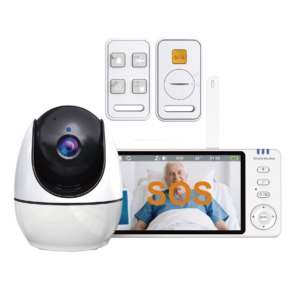
Compare Real Product Platform Directions
Supplier selection becomes more concrete when product type, manufacturing evidence and market fit are reviewed together.
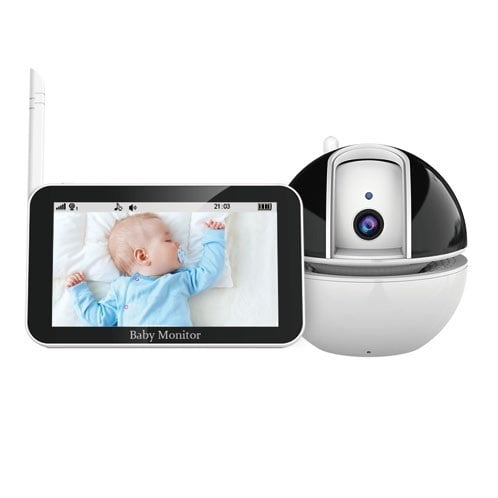
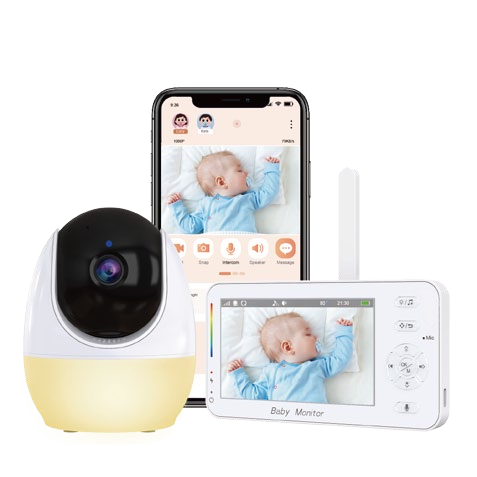
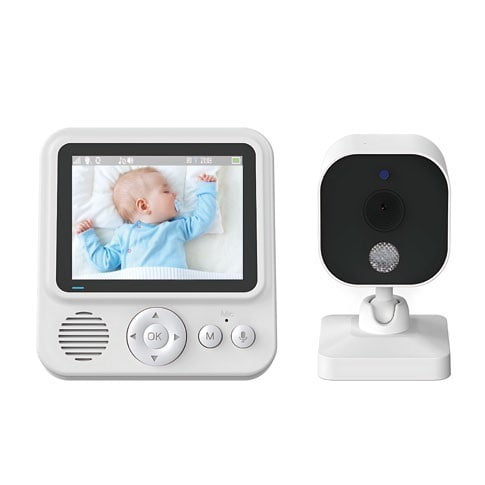
Start With Three Commercial Decisions
Selections update on screen and do not submit data.
Start with a balanced product shortlist
Compare No-WiFi, WiFi, dual-mode and audio directions against your market and channel.
Request model recommendations →Understand the Experience Behind the Category
| Direction | Primary interface | Typical buyer question | Project implication |
|---|---|---|---|
| No-WiFi | Dedicated display | Can the core experience avoid App and home WiFi dependency? | Confirm local radio, display, camera and model functions. |
| WiFi | Mobile App | How are remote viewing, accounts, data and services handled? | Define hardware, firmware, App, cloud and maintenance ownership. |
| Dual-mode | Display + App | How do home and remote scenarios stay consistent? | Coordinate local and connected behavior as one system. |
| Audio | Dedicated audio units | Which focused functions fit the entry or wholesale channel? | Confirm audio, talk, alerts, power and packaging by model. |
Avoid Comparing Isolated Feature Lists
Display role
Size and interface should match product position and use distance.
Camera behavior
Fixed, PTZ, multiple-camera or connected scope varies by platform.
Audio & alerts
Confirm direction, sensitivity, controls and interface feedback.
Night viewing
Image behavior and illumination require model-specific verification.
Power & portability
Battery, charging, adapters and use time affect product experience.
Software scope
App, firmware, accounts, data and updates add ongoing responsibilities.
Connect Market Position to Product Direction
Privacy-led mainstream
Begin with no-WiFi platforms and verified dedicated-display functions.
Connected product brand
Compare WiFi and dual-mode architectures with clear software ownership.
Entry or wholesale
Review focused audio and no-WiFi directions with localized packaging.
Differentiated brand
Use dual-mode or ODM scope only when the channel values the added experience.
Remove Risk Before Quotation
Selecting by price only
Market fit, quality, compliance and support can outweigh a small unit-cost difference.
Mixing model specifications
Use facts from the exact model and configuration only.
Ignoring software ownership
Connected products require service, update, privacy and maintenance decisions.
Leaving compliance late
Market requirements can affect model, labels, packaging, schedule and responsible parties.
Get Product Recommendations
Share the target market, sales channel, product position, connection preference, quantity and launch timing.
Submitted details are securely recorded and sent to the ANHONG project team.