How Should Buyers Evaluate Room-Temperature Readings on a Baby Monitor?
Review a baby monitor room-temperature reading with placement, stabilization, reference and wording boundaries without turning it into a health claim.
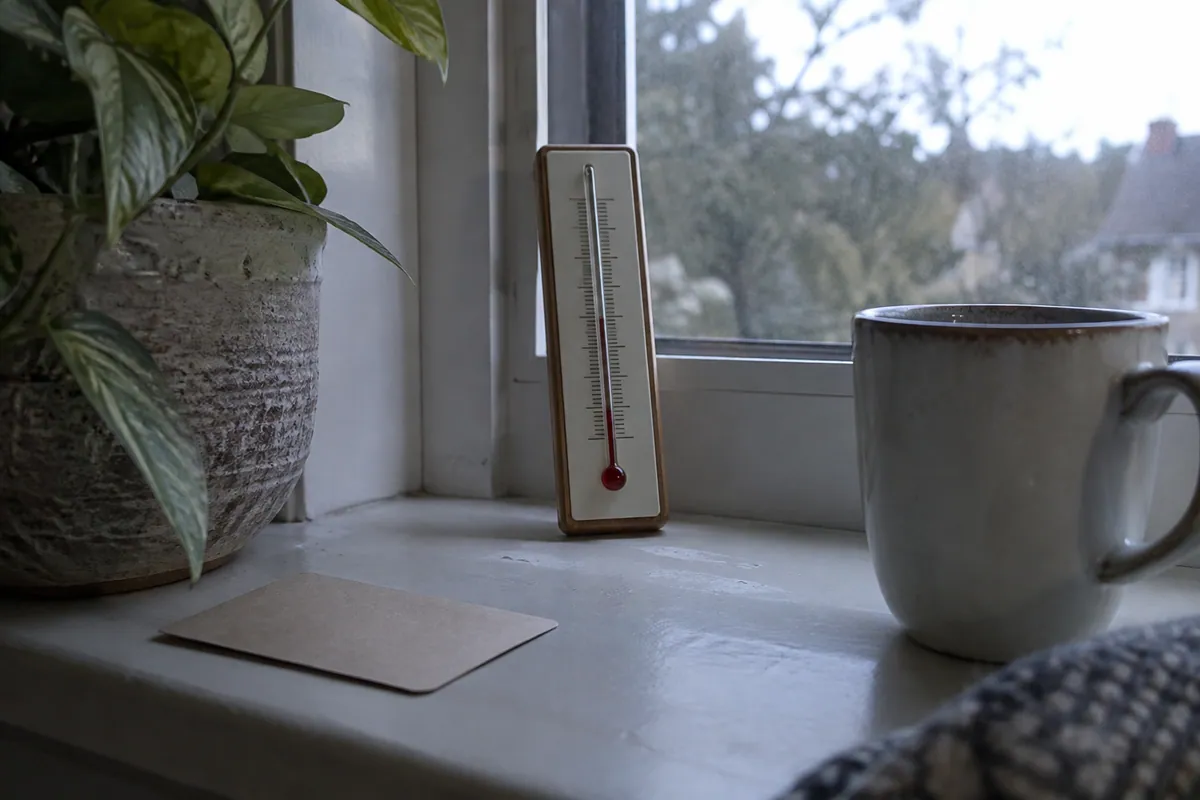
A room-temperature number on a baby monitor looks precise because it is a number. A procurement team should treat it as an environmental indication whose usefulness depends on placement, stabilization, display behavior, and the reference used for comparison. It is not a body-temperature reading, a medical function, or a substitute for a buyer’s safety guidance.
The practical goal is to decide whether the offered reading supports the product’s stated use, then document the limits honestly.
What question should the reading answer?
Begin with the user task. Does the brand want an at-a-glance room indication, an optional alert based on a user-selected band, or a value that a caregiver can compare with another room instrument? These are different claims. A sentence such as “accurate temperature monitoring” combines them too loosely.
The product position also matters. Texas Instruments' ambient-temperature layout guidance explains how heat from nearby electronic components can influence a sensor reading. That supports asking about the sensor's thermal surroundings; it does not establish which sensor ANHONG uses or its accuracy. For the sample comparison, record windows, adapters, sunlight and airflow near each instrument, rather than assuming two different locations represent identical conditions.
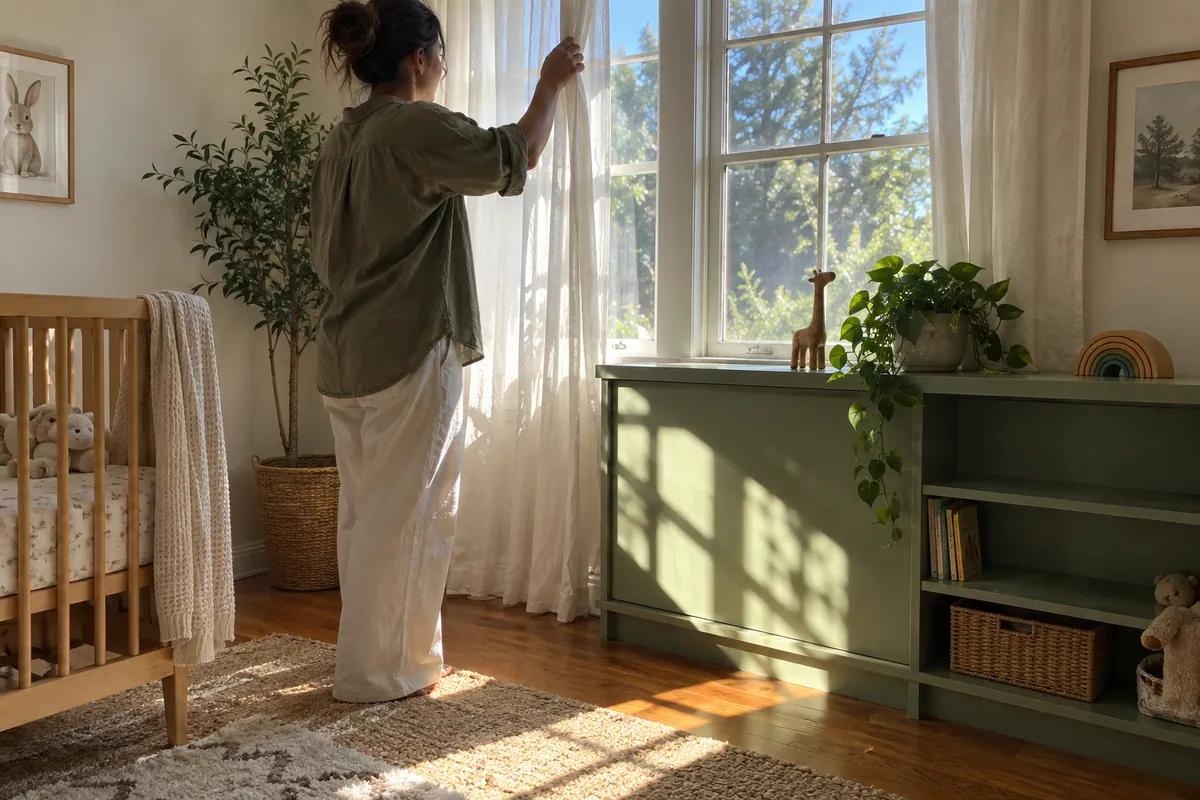
How should a sample observation be set up?
Use an agreed reference instrument that the buyer considers suitable for the project, place it according to the comparison plan, and let both devices stabilize in the stated environment. Record where each item sits, nearby heat or airflow sources, start time, displayed readings at agreed intervals, and any changes in the display. Avoid moving one instrument around until the numbers agree; that produces a demonstration, not a useful record.
| Record item | Why it matters | Do not infer |
|---|---|---|
| camera/sensor placement | local environment affects indication | whole-room uniformity |
| reference placement | comparison has a defined basis | clinical calibration |
| stabilization conditions | readings may change after movement | an unspecified response specification |
| configuration/build | later revisions can differ | all models behave the same |
| acceptance decision | buyer defines the use case | a universal threshold |
This proposed Room-Reading Observation Record is a procurement method, not a certification protocol. If a target market, customer contract, or product specification requires a defined accuracy claim, ask the responsible technical and compliance parties for evidence applicable to that model, sensor placement, configuration, and stated conditions.
Why should placement be part of the product brief?
Placement is not an afterthought. It affects the purchaser’s instruction wording, camera mounting concept, and support response. If a user places the device beside a heat source or direct sun, an indication can differ from another point in the room without proving that either device is defective. A clear instruction can say what the reading represents and what conditions may influence it, without pretending to provide a health recommendation.

This article is distinct from movement or activity sensing. A room-temperature display concerns the environment around the device; it should never be described as a child’s temperature, a wellness diagnosis, or an alarm that guarantees a safe sleep condition.
How can ANHONG help make the review specific?
ANHONG's hardware and sample-review scope can connect a room-reading requirement to a named configuration. Bring the intended task, placement assumptions and required evidence into that discussion; packaging localization can then carry the agreed limitations into customer-facing wording. Service scope alone does not establish a sensor specification, temperature tolerance, alert function or certification coverage.
The useful handoff is concrete: record the camera or sensor location, agreed reference, intended installation context, UI copy, and conditions that must be disclosed. This reduces the risk that packaging turns an environmental indication into a medical-looking promise.
How should a brand write the boundary for end users?
Use plain, limited wording. Say that the product displays a room indication where that is confirmed for the configuration; do not call it body temperature, wellness monitoring, or a guarantee about the room. If the product includes a preference-based notification, distinguish that user setting from a health recommendation. Localized packaging, manuals, and app copy should use the same boundary. A good review asks a simple question: could a reasonable reader mistake this number for a clinical conclusion? If yes, revise the language before it reaches a sales channel.
What should be reviewed in the interface?
Look beyond the numeral. Can users tell what is being displayed? Is the unit clear for the target market? If a threshold or alert is offered, does the product distinguish a configured preference from an evidence-backed room condition? What happens after power cycling or a configuration change? These are questions for the offered user interface and documentation, not assumptions to write into a purchase order.
Frequently asked questions: how should room readings be scoped?
What if the instruments display different temperature units?
Record the original values and units before any comparison or conversion. Do not copy a preferred number into the evidence sheet without preserving what each device actually displayed.
Can a buyer adjust an offset until the displays agree?
First establish whether the configuration supports an adjustment and who is authorized to use it. Record the original behavior and any approved change separately; agreement after adjustment is not evidence that the original condition met the requirement.
How should an unstable room be handled during review?
Record the changing condition and postpone a stable-condition conclusion. The session can still identify display behavior or questions for the supplier, but it should not silently become an accuracy assessment.
What if the reference instrument has no identifiable history?
Treat that as an evidence limitation. A convenient second display can help identify a question, but a numeric acceptance claim needs an agreed reference basis and responsible technical review.
For a room-reading requirement tied to an actual configuration, contact ANHONG with the target market and sample brief.