Production Capacity and Supply Planning for Baby Monitor Programs
Capacity statements must use the exact current product-catalog facts and explain their measurement basis. Project availability still depends on model, configuration, materials, quality requirements, packaging and the approved production schedule.
ANHONG has daily production capacity of 4,000+ units. Actual allocation and lead time depend on model mix, materials, quantity and schedule.
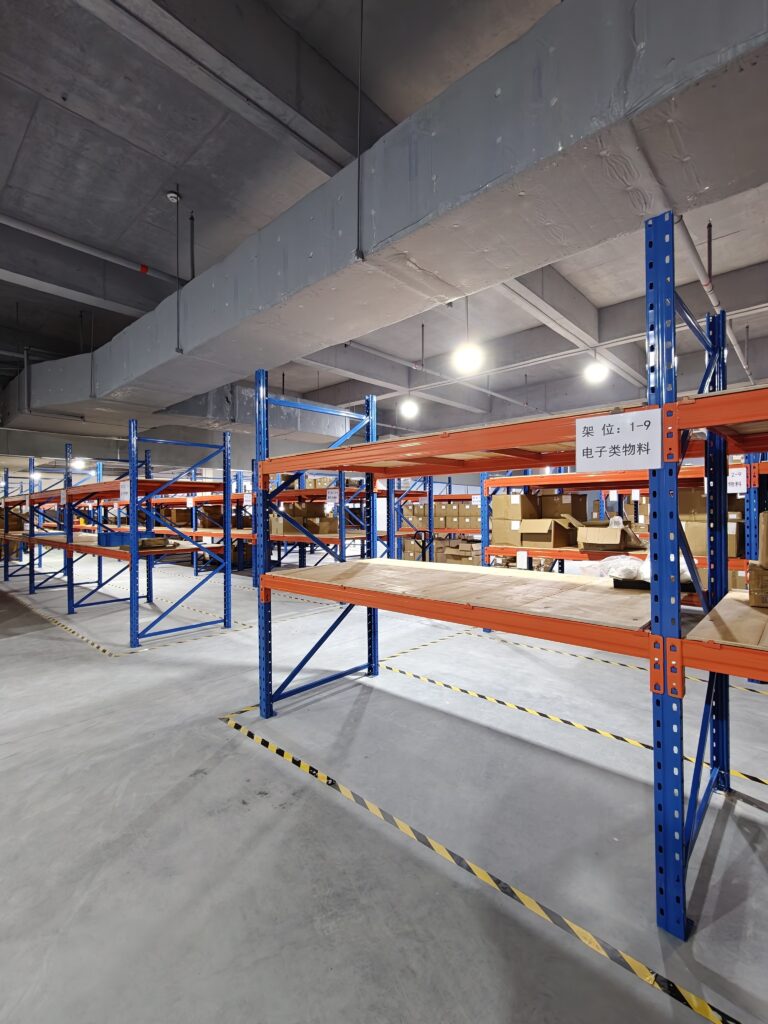
Supply and Delivery Evidence
Warehouse and production views support realistic capacity, packaging and replenishment planning.
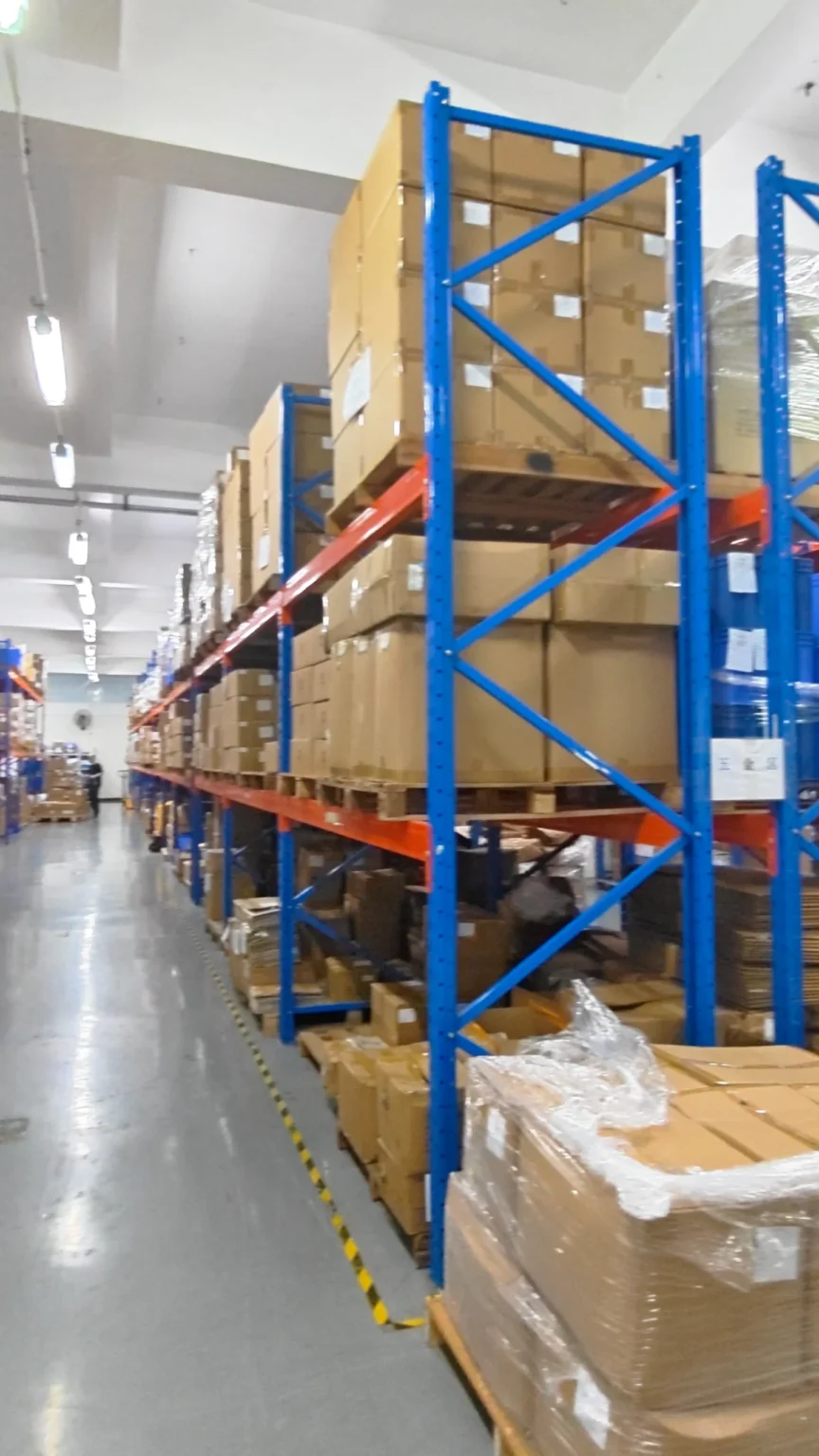
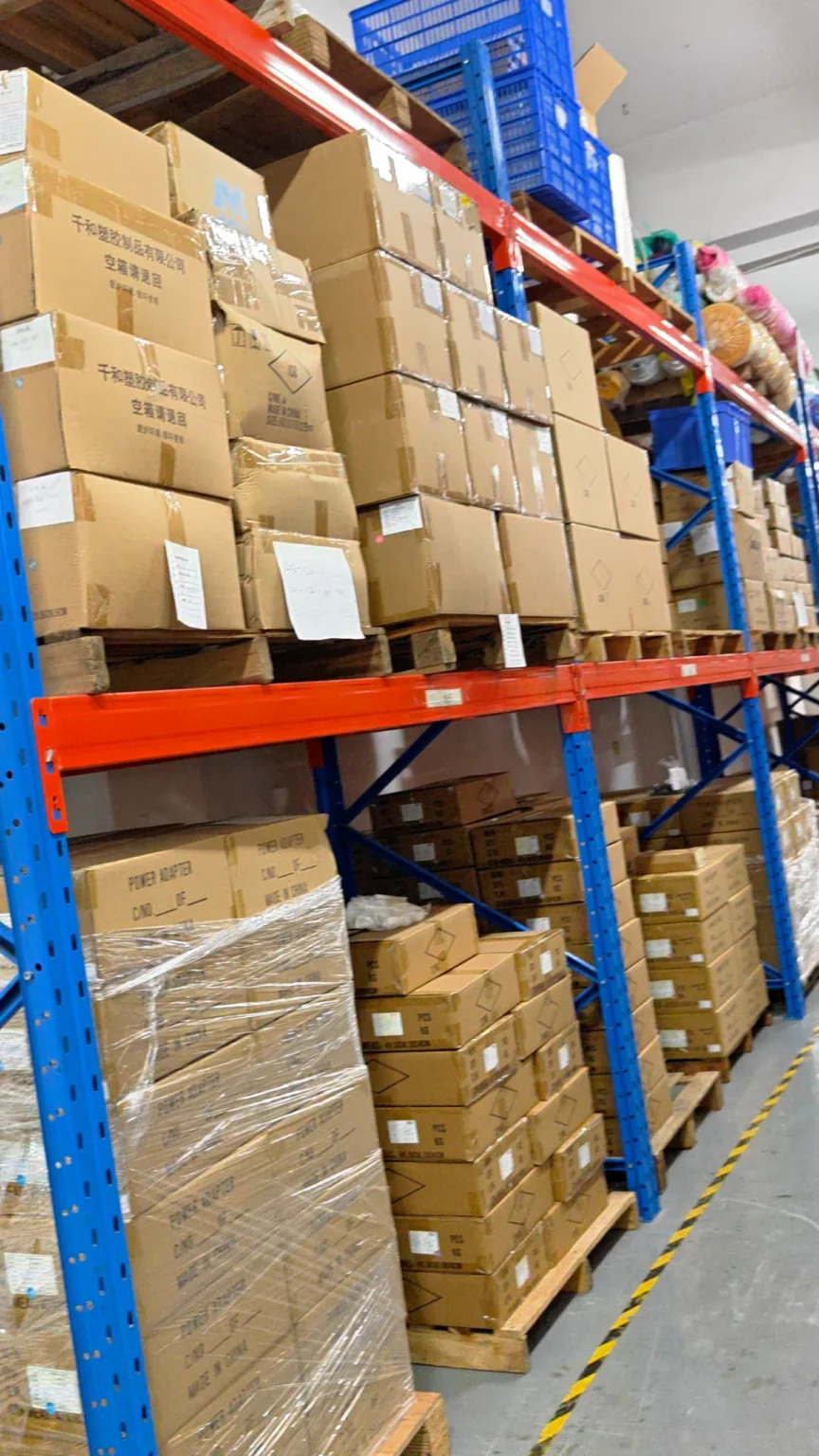
Convert Forecasts Into Controlled Scheduling
Demand and mix
Confirm models, quantities, markets and delivery windows.
Material readiness
Review components, custom parts, packaging and supplier commitments.
Capacity allocation
Plan production windows against configuration and line requirements.
Execution and handoff
Coordinate production, inspection, packing and shipment readiness.
Control the Inputs Behind Delivery
Critical components, custom materials, packaging and accessories require different commitments and risk plans.
Approved specifications
Keep components and materials aligned to the approved configuration.
Supplier coordination
Monitor applicable source, lead time and quality information.
Custom material commitments
Plan color, packaging, tooling or accessories before production.
Change assessment
Review cost, timing, testing and compliance impact before substitution.
Use Forecasts, Not Blind Stock Claims
Safety material or inventory strategies depend on forecast quality, component risk, commercial commitment, shelf life and configuration stability.
Reserve Time Before Demand Peaks
Share campaign, retail-window and replenishment assumptions early. Late changes to model mix, artwork or compliance can affect allocation.
Protect Configuration and Replenishment Consistency
Forecast cadence
Update expected quantities and requested shipment windows.
Version control
Identify hardware, firmware, packaging and accessory configuration.
Material continuity
Monitor long-lead and custom inputs before order release.
Quality references
Use approved samples and agreed inspection criteria.
Order review
Confirm changes before repeating prior order information.
Issue feedback
Feed verified field issues into corrective and future-order planning.
Prepare Alternatives Without Silent Substitution
Component risk
Identify long-lead, lifecycle or single-source exposure.
Approved alternatives
Evaluate function, reliability, compliance and customer approval before change.
Packaging risk
Control artwork, language, barcode and custom-material readiness.
Schedule scenarios
Communicate impact when demand, scope or materials change.
Discuss a Volume Order Plan
Share the model mix, markets, quantities, forecast cadence, packaging, compliance and target delivery windows.
Submitted details are securely recorded and sent to the ANHONG project team.