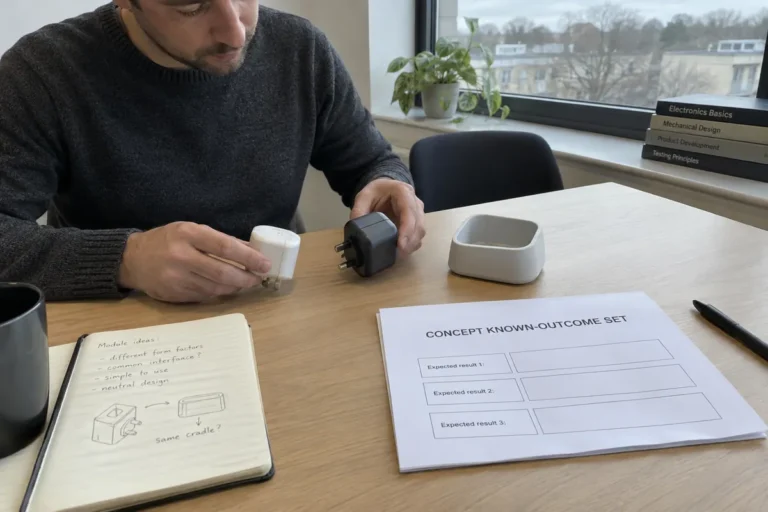
What Tooling Identification and Maintenance Records Should Brands Request?
Request tooling identity, revision, status, maintenance and change-decision records that connect a manufacturing asset to its approved product context.

Tooling records are not a shortcut to a legal ownership conclusion. They are an operational way to identify which tool, revision, location, condition, and maintenance history support a selected product configuration. For a baby monitor brand, that visibility becomes valuable when a cosmetic feature changes, a cavity is repaired, a tool moves, or a replenishment order is discussed years after initial sampling.
This article proposes a procurement record. It does not claim that ANHONG holds particular tools, that a buyer owns a tool, or that one record type satisfies a contract. Ownership, custody, and transfer rights need their own agreed commercial terms.
What Should a Tool Be Identified Against?
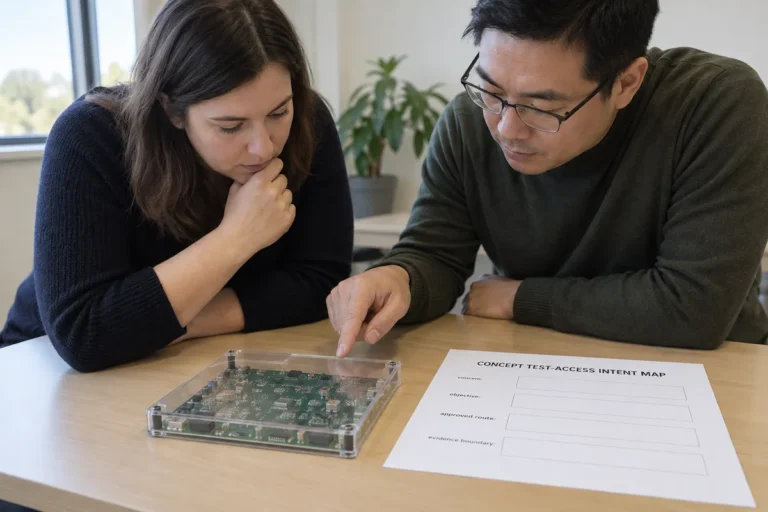
Create a Tooling Identity Record that links a tool to the approved component and product context, not only a workshop nickname. At minimum, request a unique identifier, tool type, relevant part or assembly, revision, location or custodian, current status, and the document or order reference that defines its intended use.
| Record field | Why the buyer needs it | Do not infer |
|---|---|---|
| Tool identifier and type | Distinguishes a specific production asset | Ownership or condition |
| Part and product revision | Connects the tool to a reviewed configuration | Coverage of all variants |
| Status and location | Supports operational planning | Permanent availability |
| Maintenance event and date | Makes condition changes traceable | Future performance |
| Change authorization | Shows a controlled decision point | Legal transfer rights |
If one housing uses multiple tool elements, identify the relationship. A single high-level product name can hide different inserts, cavities, or revisions that matter to later comparison.
Why Is a Part Number Alone Too Thin?
A part number may identify a design output without showing which production tool currently produces it, whether a revision was applied, or whether a repair altered the tool’s status. Likewise, a photograph may show a metal asset while omitting the component version, maintenance event, and intended production scope. The useful review asks whether a later team can trace an observed difference back to a record.
This is separate from routine production inspection. A test record tells a buyer what was checked on a unit or lot. The Tooling Identity Record helps the project understand the manufacturing asset and its changes before an inspection result is interpreted.
Which Maintenance Events Need a Record?
Ask the project to define reportable events rather than assuming all maintenance has the same impact. Examples may include a planned inspection, repair, replacement of an insert, surface work, dimensional adjustment, relocation, or a change affecting a customer-visible component. Record the reason, affected tool ID, version relationship, responsible party, date, and decision on whether sample review or another check is required.
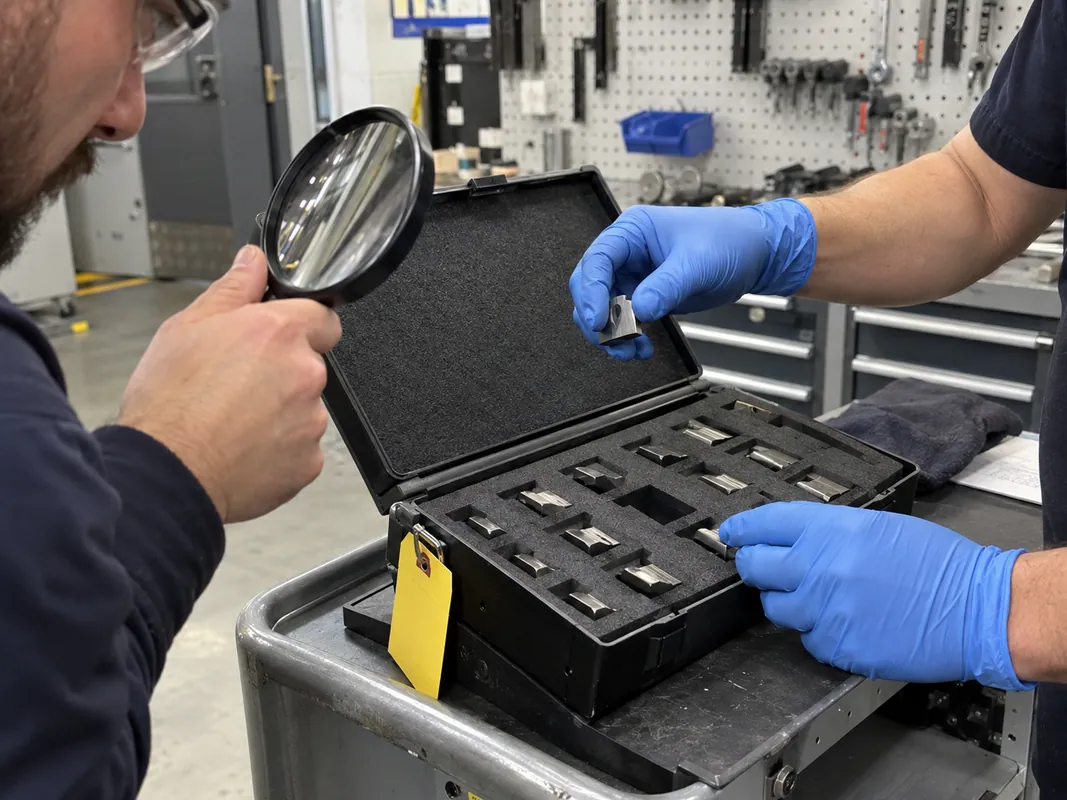
Do not prescribe a maintenance interval without the selected tool, material, process, and agreement. The objective is traceability: an event should not be invisible merely because it was called “routine.”
How Should the Record Connect to Product Change Control?
Link a significant tooling event to the same approved configuration and change-review route used for the product. If a tool change may affect fit, finish, interface, packaging relationship, or a controlled product characteristic, ask which evidence will be reviewed and who decides. The answer might be a focused sample, measurement evidence, cosmetic reference, or no additional review with a documented rationale.

Use a Tooling Maintenance Decision Log: event, possible impact, evidence requested, buyer decision, effective batch or order, and retained record. It prevents an operational note from becoming an undocumented product variation.
How Can ANHONG Help Within Scope?
ANHONG’s confirmed work includes product definition, ID and structural design, hardware, samples, mass production, quality testing, and B2B coordination. A buyer can provide the selected component, target configuration, requested tooling visibility, and any acceptance concerns. We can discuss which project records connect design, samples, manufacturing, and review; we do not make ownership, custody, maintenance-frequency, or future-output claims without an agreement.
What Should a Buyer Retain?
Keep the identity record, referenced product revision, maintenance or change log, evidence reviewed, decision owner, and applicable order or batch reference. That record is most useful when it remains tied to the configuration it was meant to support.
How Should a Buyer Read a Tooling Status Update?
Ask whether the status is a current observation, a planned activity, or a completed event. “Available” may mean a tool is physically present, but it does not answer whether it is approved for the selected revision. “Maintenance completed” does not reveal which asset was affected or whether the work had product implications. A short status update becomes useful when it carries the tool ID, product reference, effective date, and a link to any needed decision.
For a replenishment discussion, compare the current status update with the last approved record rather than relying on an email thread. If the records cannot be matched, treat the scope as unresolved and ask what identity or revision evidence would close it.
Which Questions Should Brands Ask About Tooling Records?
Does a tooling record prove a brand owns the tool?
No. It supports identification and operational traceability. Ownership and related rights should be addressed in the applicable contract.
Must every maintenance event trigger a new sample?
No. The required evidence should match the possible effect on the approved configuration and agreed acceptance scope.
Can one record cover several product colors or kits?
Only when the tool, affected part, and relevant product revisions are clearly identified. Do not assume scope from a family name.
What should an initial buyer request contain?
Name the product and component, required record fields, target production context, events requiring notice, and any specific evidence needed for approval.
For a tooling-record discussion connected to a selected OEM or ODM configuration, contact ANHONG alongside your quality-control and testing expectations.