What Can Brands Learn from a Baby Monitor Mockup Before Tooling Begins?
Use a baby monitor mockup to answer defined design and task questions before tooling, while keeping unverified engineering outcomes separate.
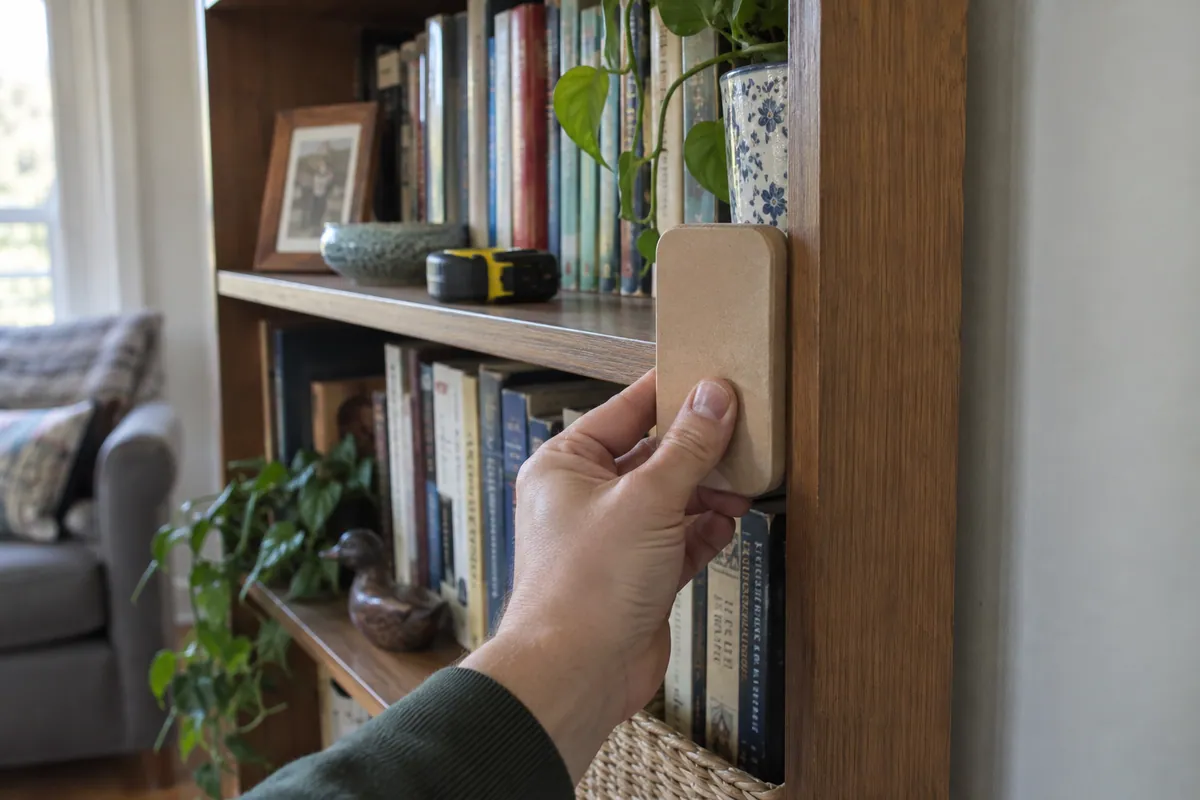
A mockup is most valuable when it answers a question that is still cheap to change. It can reveal whether a parent unit feels too wide to hold, whether a camera stand conflicts with a shelf, whether a button can be found by touch, or whether the intended kit looks internally coherent. It cannot establish wireless range, battery life, production yield, safety, or final compliance. A brand that states both sides of that boundary gets a better pre-tooling decision.
Which Question Should Determine the Mockup?
Start with a Mockup Learning Brief, not an instruction to “make it look premium.” State the user or channel task, the physical decision at stake, the people who will review it, and the conclusion that could change the product definition. For example, a buyer may need to compare two parent-unit proportions in a retail pack, or decide whether a camera’s proposed articulation communicates the intended placement.
| Mockup type | Useful question | Cannot establish |
|---|---|---|
| Appearance model | Do size, color, controls and kit identity communicate the intended position? | Final material durability or electrical behavior |
| Ergonomic model | Can a reviewer hold, place, or reach the intended physical elements? | Production assembly consistency |
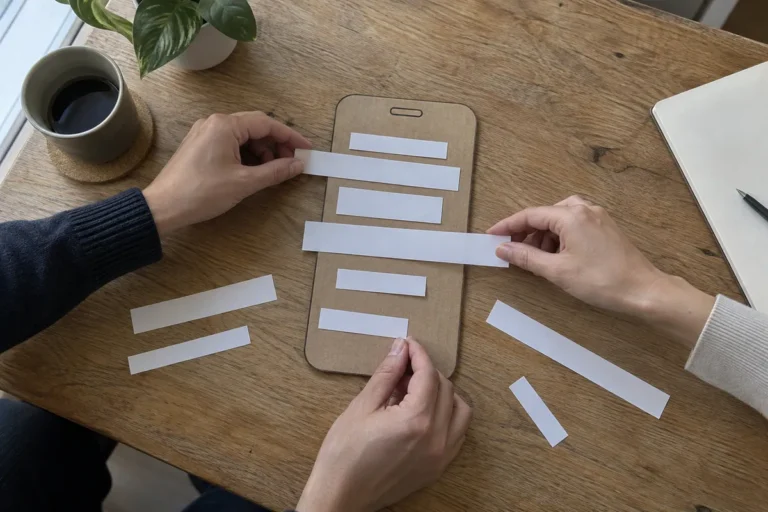
| Interface model | Can a reviewer follow a proposed screen task? | Implemented firmware or app behavior |
| Functional prototype | Does a narrowly defined mechanism behave under the stated setup? | Full production validation |
The names are less important than the declared question. Do not call an appearance model a “working prototype” because it contains a printed screen image.
Why Should Appearance and Function Be Separated?
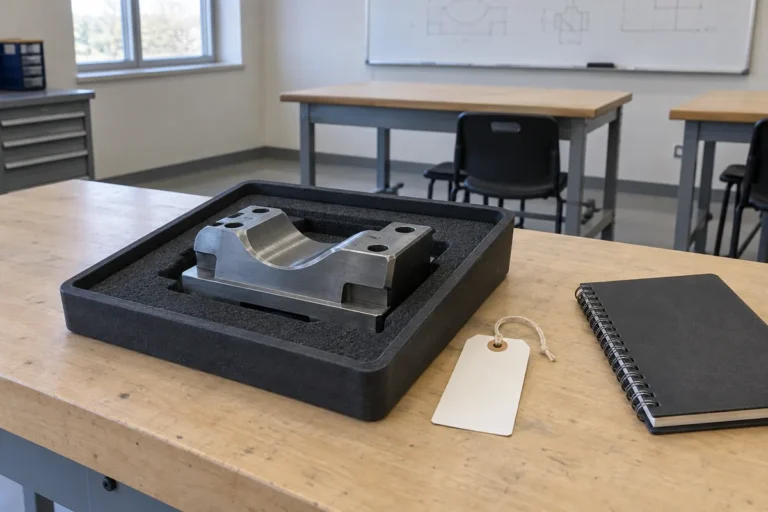
An attractive enclosure can make a team forget that its buttons, lens opening, stand geometry, and internal space have not been engineered. A basic functional board can prove a narrow interaction while saying little about final housing, finish, or retail presentation. Combining their conclusions produces expensive ambiguity just before tooling.
Use separate evidence labels: observed physical fit; proposed visual direction; demonstrated interaction; unverified engineering question. That lets a buyer keep a positive design conversation without turning a mockup into unearned product claims.
How Should Brands Run a Focused Review?
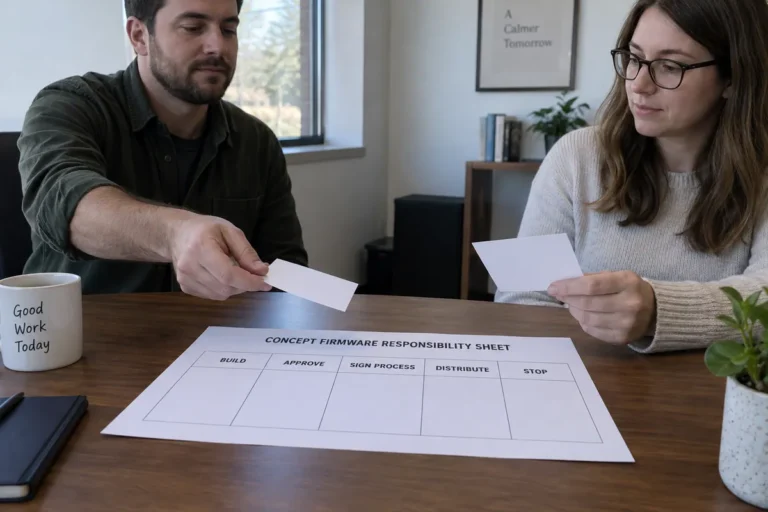
Set up a short repeatable task. Give the reviewer the stated context, not an invented customer story: place the camera in the intended location; pick up the parent unit from a side table; identify the control requested; compare two pack arrangements; or walk through a concept screen using a declared prototype. Record the mockup version, task, reviewer role, observation, decision, and unresolved issue.
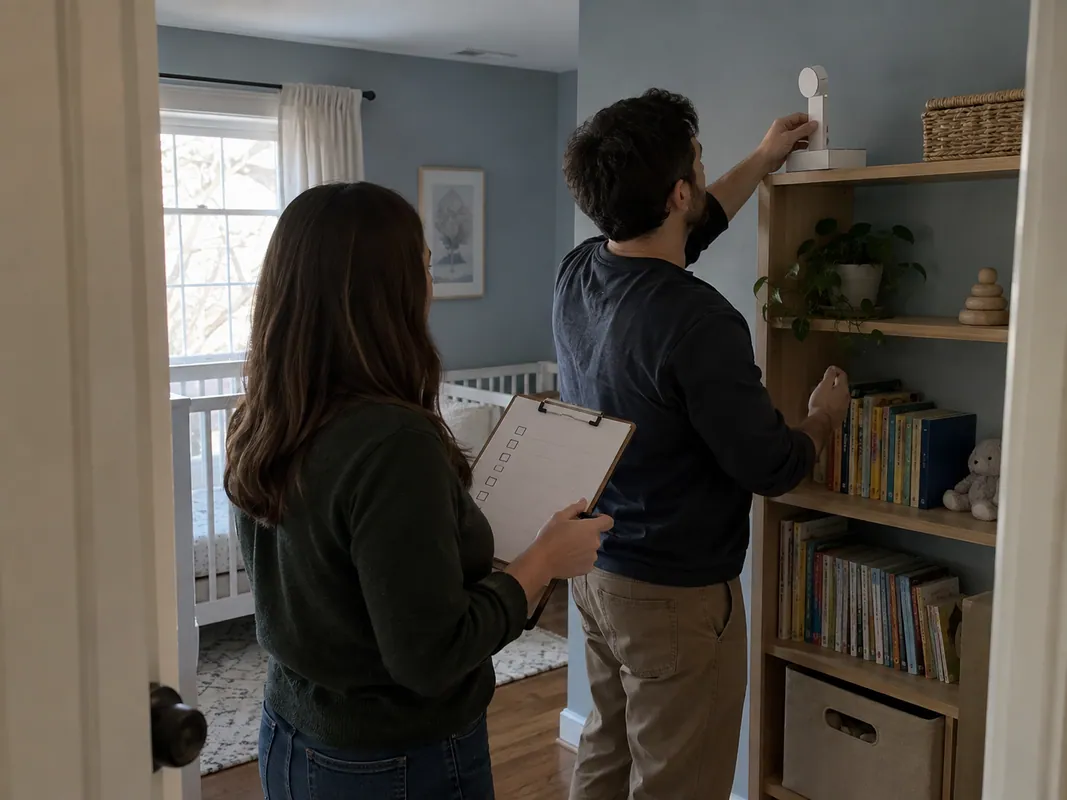
Then ask one useful question: what would change if the observation is negative? If the answer is “nothing,” the mockup has no decision role and may be presentation work rather than pre-tooling learning.
What Should Be Decided Before Tooling?
Create a Pre-Tooling Learning Register with each question, evidence type, decision owner, and next artifact. A proposed housing change may lead to an engineering review; a confusing control may require an interface or structural revision; an uncertain packaging relationship may require an artwork proof. Keep the open question visible rather than carrying it into tooling as an assumption.
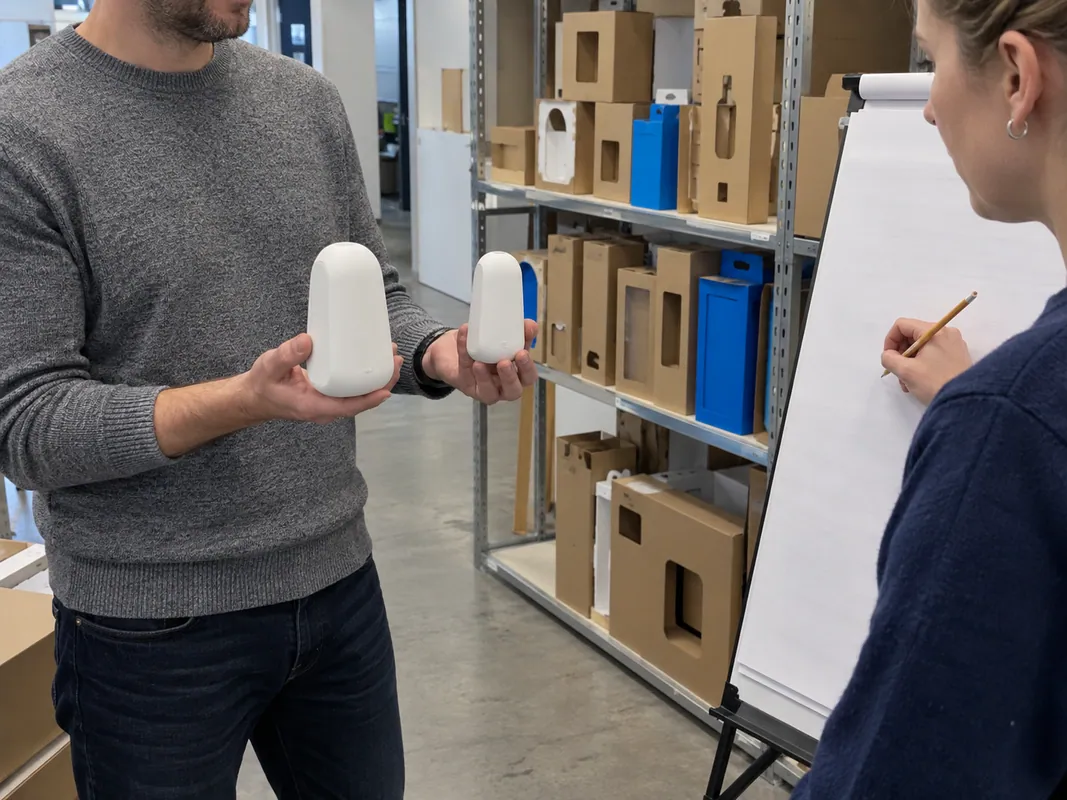
The register should distinguish requirements from preferences. “The stand must fit the approved placement envelope” is a reviewable requirement once defined. “It should feel more modern” may be useful creative direction, but it needs a concrete visual or user-task interpretation before it can guide tooling.
How Can ANHONG Support This Early Stage?
ANHONG can discuss product definition, ID and structural design, hardware, firmware, App/UI, samples, and mass production within an agreed OEM or ODM project. A buyer can bring target market, channel, proposed product position, mockup question, reviewer task, and required decision. We can help separate which question belongs to visual design, structure, electronics, software, sample work, or later validation. We do not claim that a mockup proves final production capability or market readiness.
This is useful for brands choosing between a mature platform with light customization and a broader development path. The mockup can clarify the intended product before the team spends time making untested changes look final.
Which Records Should Be Kept?
Keep the mockup version, photos or files where authorized, Learning Brief, reviewer observations, decisions, open issues, and links to the next revision. Preserve rejected directions too: they prevent the same unresolved question returning under a new visual treatment.
How Should a Brand Compare Two Concept Directions?
Compare them against the same stated task and decision, rather than asking a group to choose the one it “likes.” Put the same proposed placement, holding action, or retail-kit question in front of each reviewer. Then capture the reason a direction supports or obstructs that task. A preference can still be legitimate; record it as a preference rather than converting it into a claim about usability, manufacturability, or customer demand.
If one concept is selected, record what remains provisional. The selected color may be a direction, the displayed interface may be a concept, and the physical proportions may still need engineering confirmation. This keeps downstream teams from reading a presentation decision as a tooling release.
Which Questions Should Brands Ask About Mockups?
Does a mockup need working electronics?
Only when the learning question requires a narrow functional observation. Do not add electronics merely to make an appearance model look more complete.
Can a concept screen support packaging copy?
Not as proof of a shipping feature. Use only implemented and approved behavior for final customer-facing claims.
When should a mockup be replaced by a sample?
When the buyer needs evidence about the selected hardware, software, materials, assembly, or configuration rather than a design or task hypothesis.
What should a buyer send before the first mockup review?
Send the target user or channel, proposed kit, specific question, required decision, reviewer task, and any limits that the design must respect.
To define mockup learning before a tooling decision, contact ANHONG and connect the brief to product development.