How Should Brands Discuss Test Access Before a Baby Monitor PCB Is Finalized?
Define test-access objectives, authorized evidence routes and confidentiality boundaries before a baby monitor PCB is finalized under agreed scope.
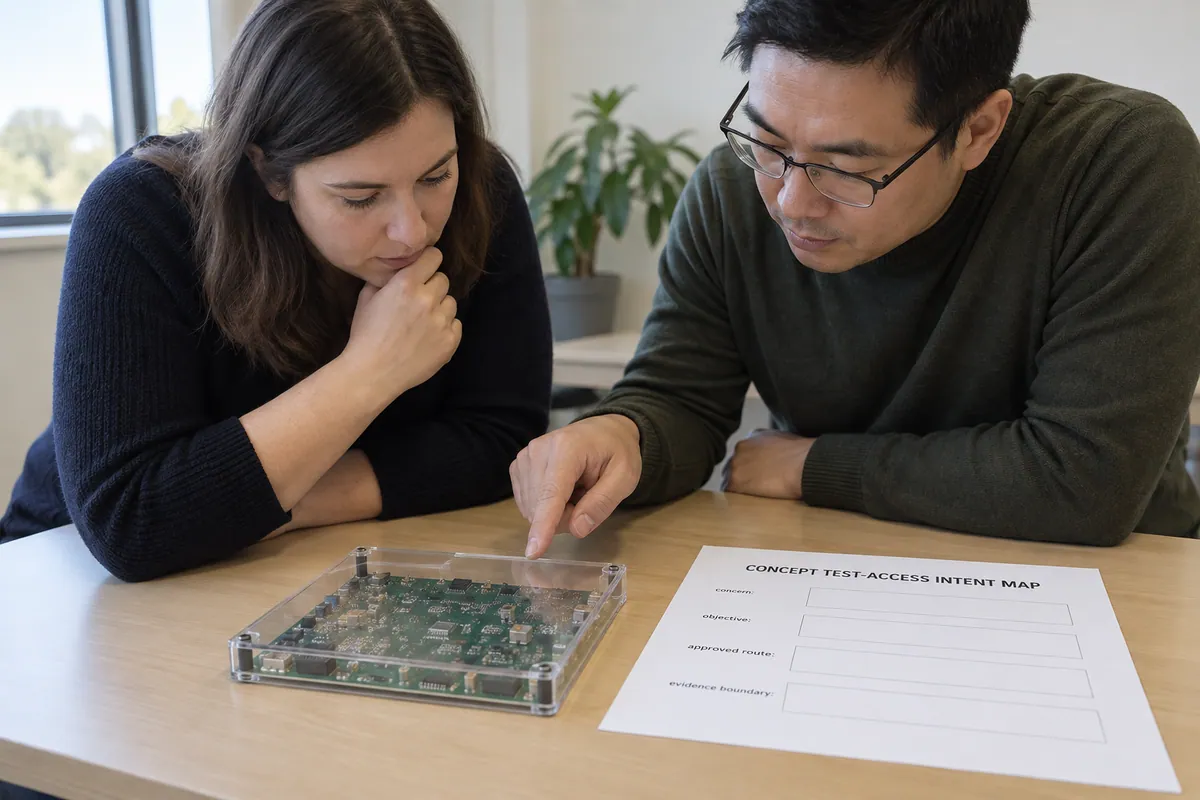
Test access is a design conversation, not a request for an unauthorized board drawing. Before a PCB is finalized, a brand can ask which product risks need evidence, what observations will be needed during development or production, and whether the proposed design leaves a practical route to make those observations. The goal is a clear validation interface, not public disclosure of sensitive schematics or supplier manufacturing details.
Which Product Question Needs a Test Path?
Start with a Test-Access Intent Map. Each row connects a buyer concern to a verification objective, the product state, the owner who will evaluate it, and the evidence requested. Do not start by asking for arbitrary test points. The technical team needs the intended objective before deciding what access is appropriate.
| Buyer concern | Verification objective | Product state | Evidence boundary |
|---|---|---|---|
| Assembly consistency | Confirm an agreed functional condition | Controlled production stage | Result record, not board files |
| Power-path concern | Evaluate the defined operating condition | Specified unit and supply setup | Reviewed observation and version |
| Radio or connection behavior | Perform the agreed configuration check | Selected build and environment | Method and result scope |
| Service diagnosis | Isolate an agreed failure category | Authorized support process | Redacted diagnostic record |
The map keeps a buyer’s request connected to an actual product decision. It is not a requirement that every platform expose the same signals or support the same fixture.
Why Should Access Be Discussed Before Layout Is Frozen?
Once component placement, enclosure interfaces, and production flow are fixed, a late measurement or programming requirement can be costly to accommodate. That does not mean every future question must be anticipated. It means the brand should name the critical acceptance and support questions early enough for the design team to decide whether and how they can be addressed.
Separate test access from a performance claim. A reachable point or diagnostic route does not prove a device meets a wireless, charging, or image requirement. It makes a defined check more feasible under stated conditions.
What Should the Parties Agree Without Sharing Sensitive Detail?
Agree the purpose, authorized party, configuration, evidence output, and confidentiality boundary. A buyer may ask whether a proposed test or programming operation is supported, who performs it, and what record will be available. The ODM may keep board layouts, firmware internals, fixture design, and security-sensitive information protected. Both parties can still agree the acceptance question and the evidence interface.
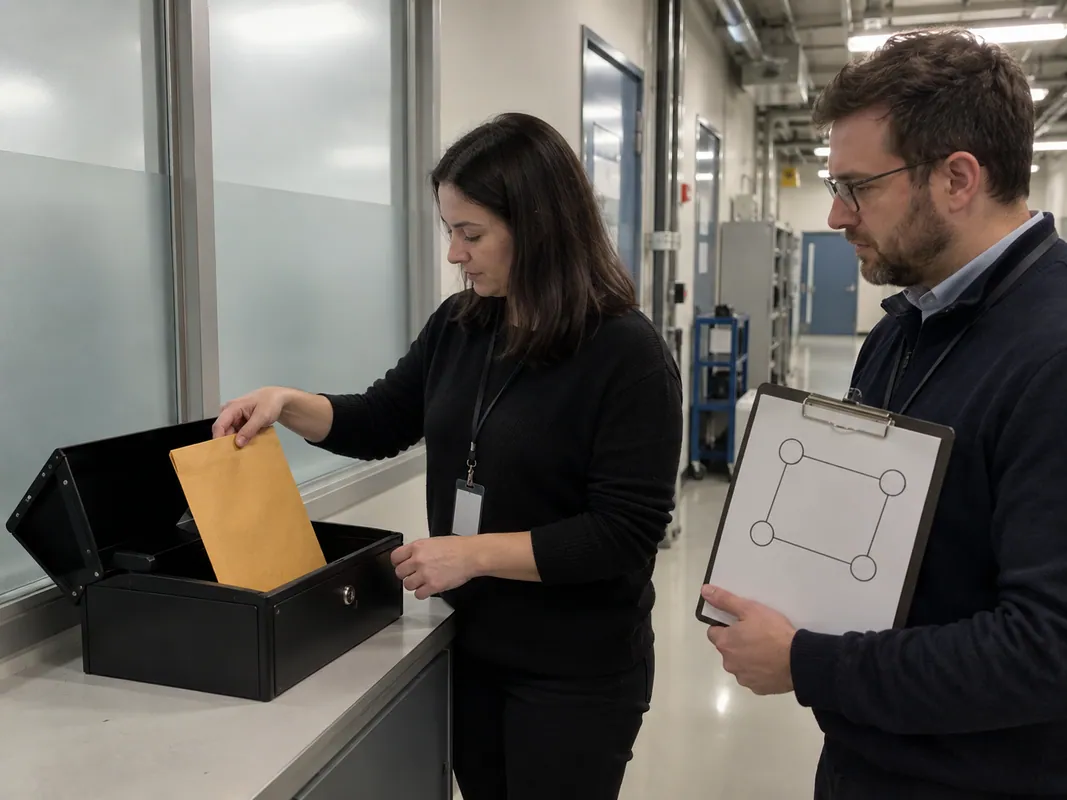
Use a Test-Access Decision Sheet: product revision, concern, test objective, approved access route or limitation, responsible team, evidence form, and change trigger. If an access request is not feasible, record the limitation and the alternative evidence route rather than leaving it as an informal promise.
How Should a Prototype Review Be Run?
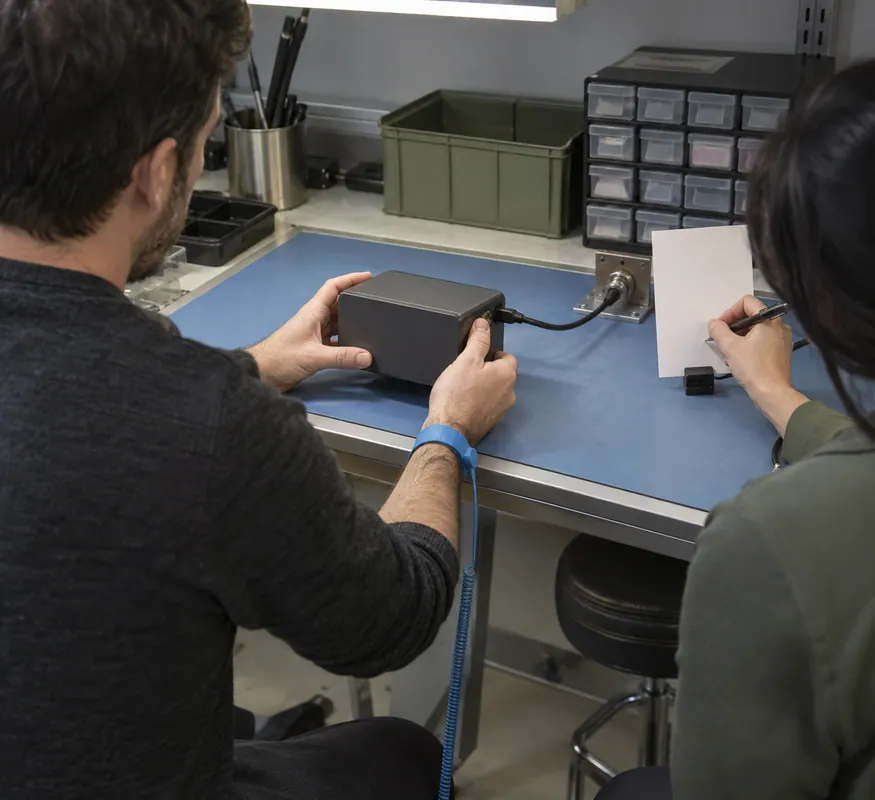
Use authorized hardware and a controlled purpose. Record the prototype revision, condition, requested observation, setup, reviewer, outcome, and unresolved point. If a software build or fixture is involved, retain its relevant version identity. Do not extrapolate a one-time engineering observation into a claim about routine production coverage.
This differentiates the article from a factory-quality checklist. The focus is whether the design provides a sensible validation path before it is finalized, not whether a shipment lot has already passed an agreed test plan.
How Can ANHONG Contribute to the Discussion?
ANHONG can discuss product definition, hardware, firmware, samples, quality testing, and OEM/ODM project coordination. A buyer can submit the Test-Access Intent Map with its selected configuration, critical acceptance questions, desired evidence, and confidentiality expectations. We can connect those inputs to the agreed engineering and sample scope. We do not provide unapproved PCB drawings, promise particular test points, or claim that every product has a given diagnostic route.
Which Records Matter at Finalization?
Retain the decision sheet, product revision, authorized scope, evidence requirements, limitations, owner, and any event that requires reconsideration—such as a layout, component, enclosure, firmware, or production-process change. That record gives a later quality discussion a design context without reopening confidential details.
How Should a Brand Frame a Constraint?
Some requested observations will be impractical, unsafe, commercially sensitive, or outside the agreed product scope. A useful response is not an unsupported “no.” State the requested objective, the reason the route is unavailable, the person who confirmed the limitation, and a possible alternative evidence form. For example, a controlled functional record may answer a release question without exposing board-level access.
This protects both sides. The buyer knows what was not promised, while the engineering team does not have to turn protected design material into a routine procurement attachment. Revisit the constraint only when the product question or configuration changes.
Who Should Accept the Evidence Boundary?
Name the commercial or product owner who decides whether the available evidence answers the buyer’s question. The engineering team should confirm technical feasibility; the brand should confirm whether the resulting record is sufficient for its product decision. If either party cannot accept the boundary, record the unresolved point before PCB finalization rather than treating silence as approval. This small governance step prevents later disputes about what “testable” was meant to deliver.
Which Questions Should Buyers Ask About Test Access?
Should a buyer request the complete PCB layout?
Not as a default. State the validation objective and evidence required; let the agreed confidentiality and engineering process determine the appropriate technical detail.
Does test access require a production fixture?
Not always. An engineering observation, programming path, diagnostic record, or agreed fixture can be appropriate depending on the stated objective.
Can a test-access decision be reused after a revision?
Only after reviewing whether the revision changes the concerned function, access route, build, or evidence scope.
What should the first brief include?
Provide the configuration, buyer concern, decision to support, proposed evidence, authorized reviewers, and restrictions on information handling.
For an early validation conversation, contact ANHONG with your proposed map and product-development scope.