Who Should Own the App-Store Release Assets for a Private-Label Baby Monitor?
Assign app-store accounts, identifiers, store materials, signing arrangements and handover duties for a private-label baby monitor app launch.

The app icon is rarely the risky asset in a private-label launch. The difficult question is who can keep the app available, submit an update, receive a policy notice, change customer-facing store information, and hand the product to a new owner without breaking continuity. Decide that before the app is first uploaded. A well-designed screen or translated listing cannot repair an account relationship that was never defined.
This guide is a responsibility method, not a claim that ANHONG owns, publishes, or maintains an app for every project. Apple's transfer overview describes Bundle ID continuity and preservation of availability, ratings and user updates, subject to transfer criteria. Google Play's transfer guidance documents account conditions and signing-key considerations. These platform-specific processes make ownership a launch input, not paperwork for the end.
Which Assets Must Be Named Before the First Release?
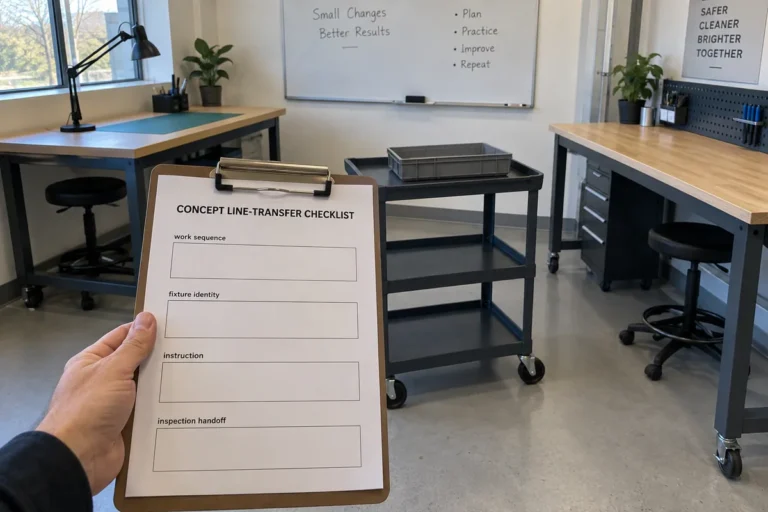
Create an App-Store Release Asset Register. Give every asset one accountable owner, one operating contact, a location or account boundary, and a handover condition. Do not put passwords, private keys, or recovery codes in the register. The register names custody and verification evidence, not secrets.
| Asset or responsibility | Accountable owner | Operating contact | Handover evidence |
|---|---|---|---|
| Apple developer and App Store Connect organization | Define for project | Named authorized role | Organization and app-transfer readiness review |
| Google Play developer account | Define for project | Named authorized role | Active-account and transfer-readiness review |
| App identifiers and package names | Define for project | Release lead | Identifier record and build association |
| Store listing, privacy text, support URL | Brand-approved owner | Content/release lead | Approved version and publication record |
| Android app-signing arrangement | Define for project | Release/security lead | Confirmed Play App Signing status and handover plan |
| Release build and change approval | Define for project | Product/release lead | Build version, approval, and rollback decision |
The practical rule is simple: “the developer has it” is not ownership. It leaves unanswered whether “developer” means an employee, agency, supplier organization, personal account, or a customer’s account that cannot be transferred under the desired conditions.
Why Should the Brand Separate Account Control from Daily Work?
An account holder can retain organizational control while granting a release manager a limited operational role. That arrangement is often easier to hand over than sharing one credential among a brand, agency, and development partner. It also gives the buyer a clear answer when an approver changes: who can appoint a successor, who receives platform notices, and who can initiate a transfer if the commercial relationship ends?
This is not a demand that every project use the same access model. The exact roles depend on Apple or Google account rules and the selected project structure. The point is to make the relationship visible before a build ties the app to identifiers, signing arrangements, or a published store record.
What Should Be Approved Before a Build Reaches a Store?
Use a Release Readiness Card for one named build. It should link the app version to the selected baby-monitor configuration, app package or bundle identity, store listing version, support contact, target markets, and approving party. Add a clear answer for each item: approved, not applicable, or unresolved. A release should not quietly turn an optional connected feature into a customer promise because a generic screenshot or listing was reused.
For a private-label baby monitor, ask whether the listed functions match the agreed hardware, firmware, App/UI scope, and support route. Confirm that privacy wording, screenshots, age or content declarations where required, and customer contact details are owned by the brand’s approved process. Platform submission is not evidence that product behavior, market suitability, or legal review has been completed.
How Should a Team Prepare for a Handover?
Plan the transfer while everyone can still cooperate. Apple advises backing up app information before an app transfer, and its eligibility rules must be checked for the app’s actual status. Google Play requires both relevant developer accounts to be registered and active before a transfer request. These are platform-specific processes, so do not promise that any particular project will transfer on a desired date.
The handover packet should contain the Asset Register, approved listing copy and media source files, build/version history, identifier record, support-route ownership, current role list, unresolved policy items, and a controlled confirmation of the signing arrangement. It should not be an exported folder of secrets. Ask the responsible release or security owner to confirm that credentials and key material are managed through the agreed protected route.

Then rehearse the business part: who will respond to a platform notice, who approves an emergency correction, who controls the support URL, and which party informs customers if an app relationship changes? A transfer preserves some platform continuity under defined conditions; it does not automatically transfer every external service, contract, analytics arrangement, or support commitment.

How Can ANHONG Support a Clearer Release Scope?
ANHONG's App/UI and firmware services are relevant where a store release must describe an agreed connected-product configuration. A buyer can supply target markets, proposed account ownership, selected hardware/software, customer-support route and release-approval workflow. These inputs allow the app deliverable and the physical product brief to be discussed together. They do not transfer control of a buyer's developer accounts to ANHONG, establish platform eligibility or guarantee store approval.
This helps keep three things separate: brand-owned customer communication, agreed technical deliverables, and the store operator’s release responsibility. It also lets a sample or build review focus on the actual configuration rather than on a generic app listing.
What Should Be Retained After Each Release?
Retain the release card, exact version identifiers, approved listing snapshot, approver, target-market scope, store status, relevant transfer-readiness notes, and the named owner for the next action. Keep it as a controlled business record, not as a substitute for platform access or legal advice.
Which Questions Should a Brand Ask Before the First Store Release?
Must the brand own both developer accounts from day one?
That is a commercial and operational choice. What matters is that the accountable owner, authorized operators, transfer path, and continuity obligations are explicitly agreed before release.
Can the same store listing be reused for several configurations?
Only where the statements, media, support route, and selected functions accurately match each listed configuration. A shared design does not prove a shared feature set.
Does an app transfer move every connected service?
No. Check the relevant platform process and separately inventory cloud services, support contacts, data arrangements, contracts, and any third-party integrations.
What if a support website changes after the app transfer?
Assign responsibility for updating and checking the store's support links separately. A transferred app can still point to an obsolete external page. Confirm the destination and account owner before treating the handover as complete.
To connect store-release ownership with the selected product and App/UI scope, contact ANHONG. For a broader readiness discussion, start with ANHONG’s customization process and bring the proposed Asset Register.