What Should Brands Reconfirm When Baby Monitor Assembly Moves to Another Line?
Reconfirm product reference, process, fixtures, records and exceptions when baby monitor assembly moves to another production line with decision records.
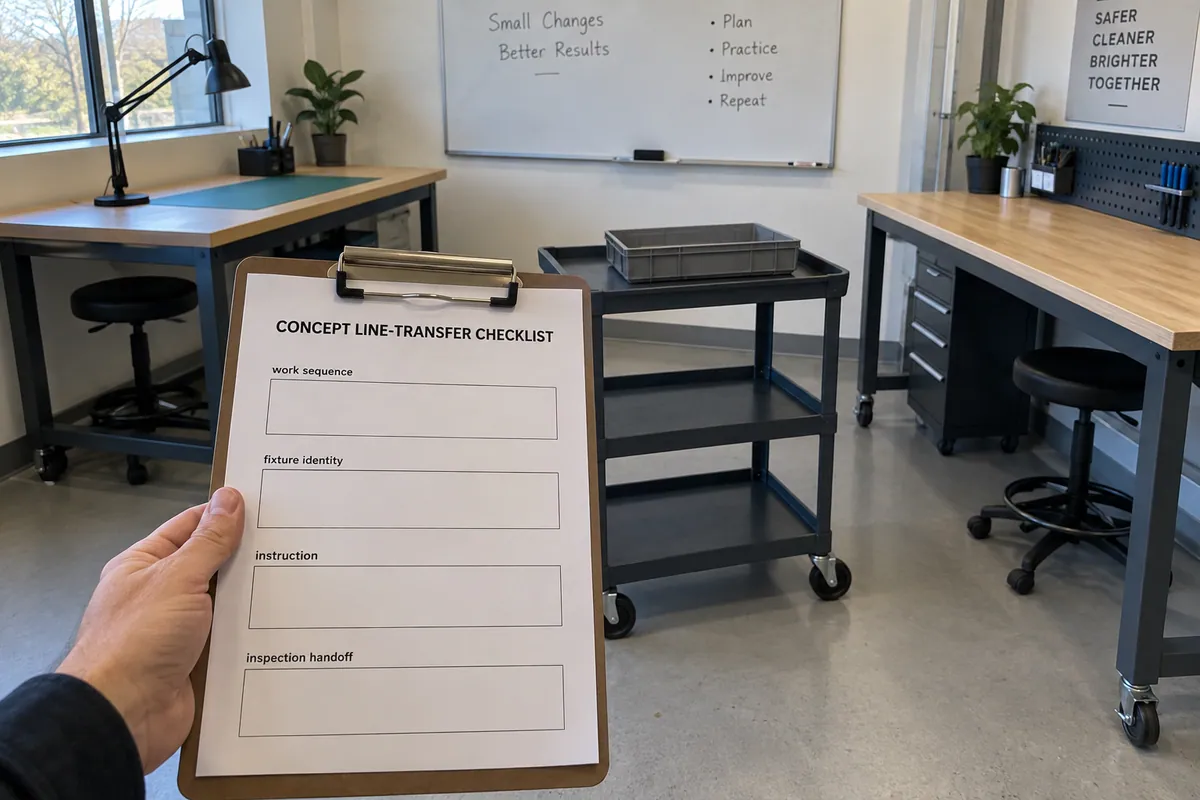
Moving assembly to another line is not automatically a product redesign, but it is not a clerical change either. Different equipment, operators, work sequence, fixtures, material flow, or inspection handoffs can affect how an approved configuration is built and checked. The brand’s practical task is to determine whether the relevant production conditions remain equivalent for its defined acceptance scope—and what evidence is needed when they do not.
This is a buyer method, not a claim that ANHONG has moved a product, that two lines are identical, or that every transfer needs the same qualification. The correct scope depends on the selected model, configuration, process, market, and agreed quality arrangement.
What Does “Equivalent” Need to Mean?
Use a Line-Transfer Equivalence Checklist. Equivalence should be tied to the approved product and the checks that support it, not to the line’s name or a statement that it uses similar equipment. Identify the product revision, work stages being moved, critical materials or interfaces, planned controls, and evidence requested.
| Transfer area | Reconfirm question | Evidence to agree |
|---|---|---|
| Product reference | Which model, hardware, firmware, kit and packaging version applies? | Approved release reference |
| Work sequence | Does the new route preserve the required assembly and check steps? | Controlled process comparison |
| Equipment and fixtures | Which tools or fixture revisions are used? | Identity and readiness record |
| People and instructions | Are relevant instructions and training routes available? | Assigned owner and current work instruction |
| Inspection and traceability | Can results still link to the correct unit or lot? | Record sample and escalation path |
| Open changes | What differs and requires a decision? | Exception register and closure evidence |
The checklist does not demand that every visible detail match. It directs attention to conditions that could change the approved configuration or the ability to verify it.
Why Should the Sample Reference Be Reopened?
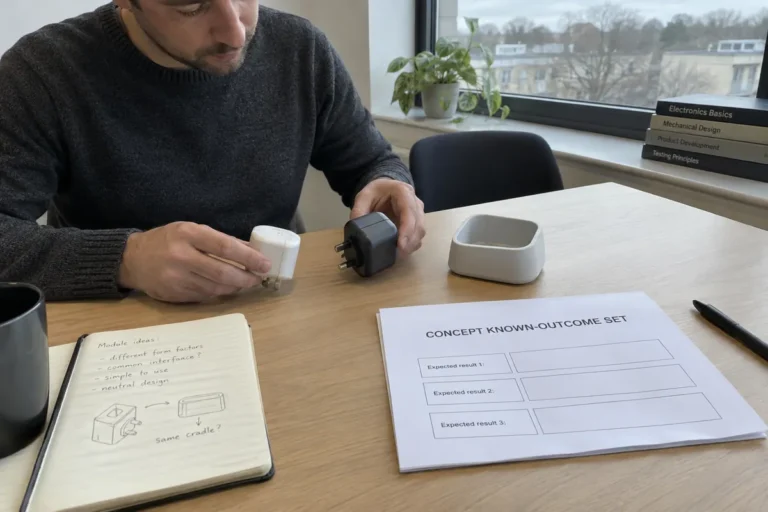
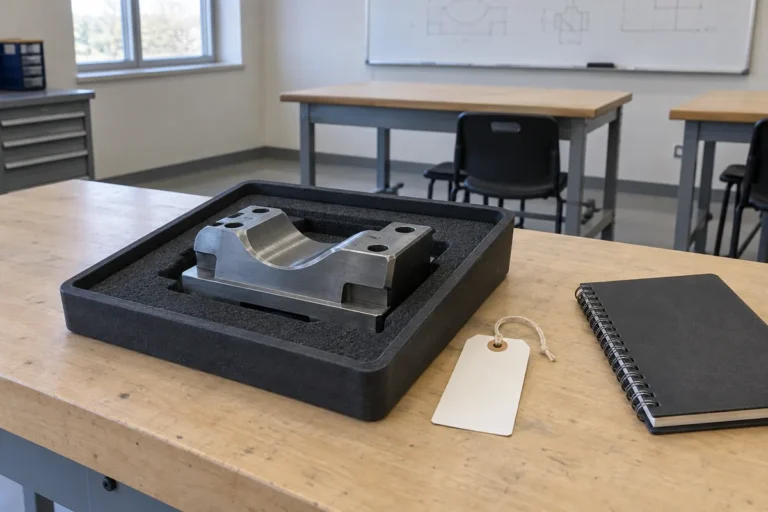
The approved sample or release pack anchors the comparison. Without it, “same product” can become a conclusion based on memory. Reconfirm the relevant physical configuration, software version where applicable, accessories, customer materials, and identified acceptance items. Then state which line-transfer conditions are expected to remain the same and which are different.

This is distinct from a component-change review. A line transfer asks whether a production route remains suitable for the already approved product. If a component, firmware, or packaging item also changes, log that as a separate change with its own scope rather than allowing it to disappear inside the move.
How Should Brands Review the First Output?
Agree a focused initial-output review before the move takes effect for commercial production. Use the selected configuration and compare it against the release reference and agreed control points. Record the line, process version, equipment or fixture identities where relevant, unit or batch context, observations, exceptions, and disposition. A normal first output is useful evidence for the stated scope; it is not a guarantee that future units will always match.
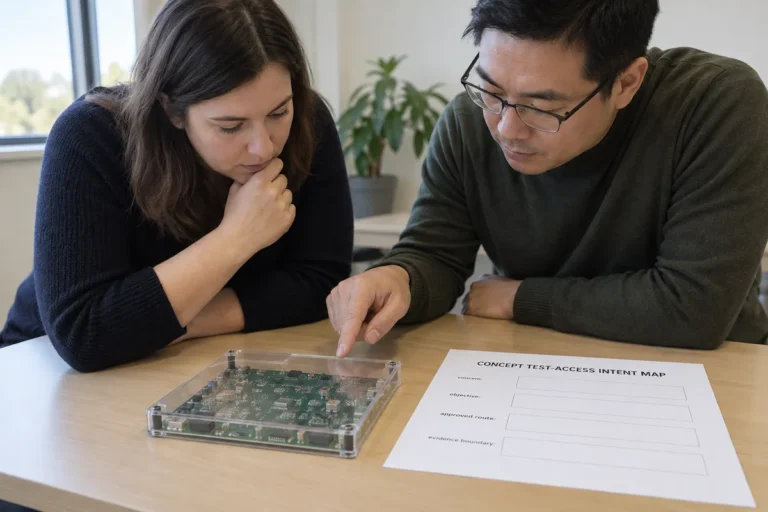
Where a test fixture supports a key decision, identify its revision and retain the evidence that its intended decision rule has been checked. Where instructions or materials differ, record the effect and the owner who decides whether another sample, focused check, or revised record is needed.
What Should Be Done with Differences?
Do not force every difference into “minor.” Place it in a Line-Transfer Exception Register with the affected product area, possible impact, evidence needed, decision owner, effective timing, and closure condition. A line can proceed only within the approvals and holds the project has actually agreed. This keeps a physical relocation from accidentally becoming a change to a customer-facing product or acceptance basis.
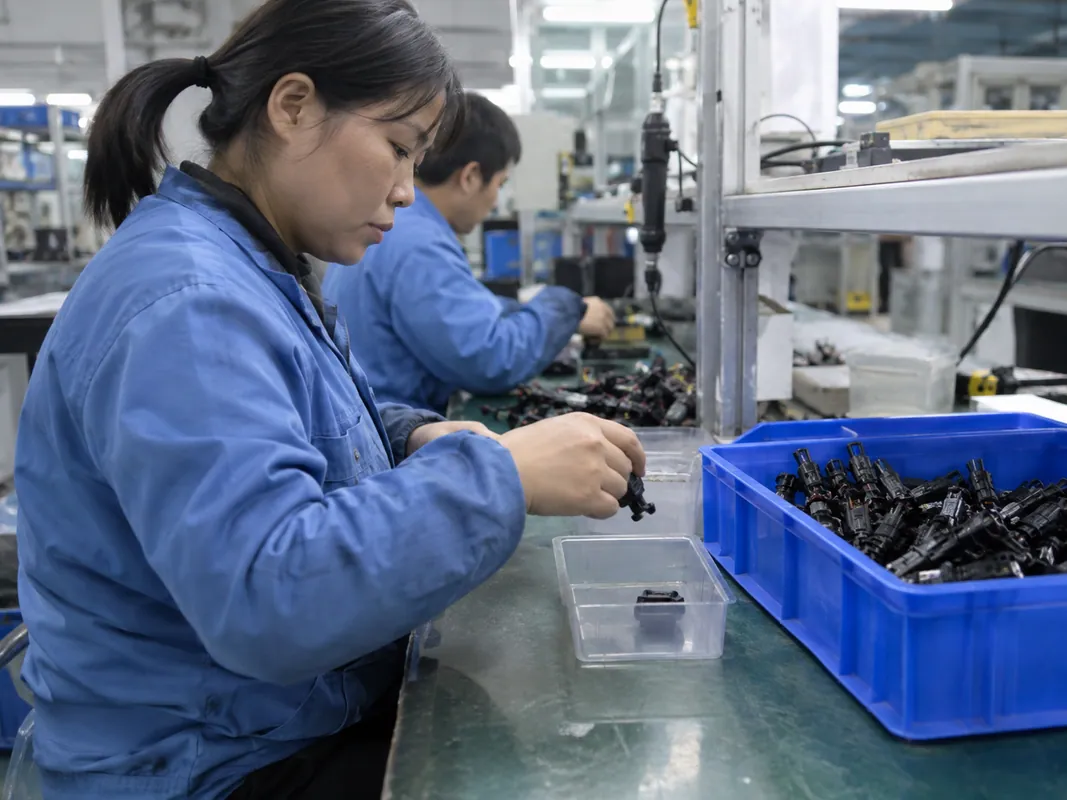
The brand should also name who receives escalation if the first-output review conflicts with the release record. A good line-transfer plan includes the route to pause, investigate, or approve—not only the intended start date.
How Can ANHONG Contribute?
ANHONG’s confirmed capabilities include samples, mass production, quality testing, packaging localization, firmware, App/UI, and B2B after-sales coordination. A buyer can bring the approved release reference, selected configuration, proposed line-transfer scope, critical acceptance items, and record requirements. We can discuss how those inputs connect to the agreed production and quality scope. We do not claim that every line uses the same process, that every transfer has no effect, or that a line move establishes market compliance.
Which Records Should Be Retained?
Keep the equivalence checklist, release reference, transfer scope, process and fixture identities where relevant, initial-output observations, exceptions, approvals, and closure evidence. On a later replenishment order, these records let the parties distinguish a reviewed transfer from an unrecorded production variation.
How Should Timing Be Controlled During the Move?
State the planned effective point in a form that the purchasing, production, and quality teams can recognize: an approved order, a defined batch boundary, or an agreed readiness decision. Then make sure open exceptions have a clear hold or release rule. A calendar date alone can be misleading if the old and new routes overlap or if materials already in process follow a different path.
The timing record is not a delivery guarantee. It is a coordination tool that helps the brand know which evidence belongs to which production route.
Which Questions Should Brands Ask About a Line Move?
Must every line transfer require a new full product validation?
No. Define a scope proportional to the moved processes and possible impact, then document the rationale and evidence.
Can a new line use the old release pack?
Yes, as the approved product reference. It should be supplemented by the transfer checklist and any line-specific exceptions.
Does a line move change product documents automatically?
Not automatically. Consider document implications only where the actual product, configuration, market, or required evidence changes.
What should a buyer provide before the review?
Provide the approved release pack, exact transfer scope, critical features and records, target market, planned timing, and the party authorized to accept exceptions.
For a controlled production-transfer discussion, contact ANHONG with the chosen configuration and samples, MOQ and lead-time inputs.