How Should Brands Compare Mains-Powered and Battery-Powered Camera Concepts?
Compare mains-powered and battery-powered baby monitor camera concepts through placement limits, included items, user actions and support responsibilities.
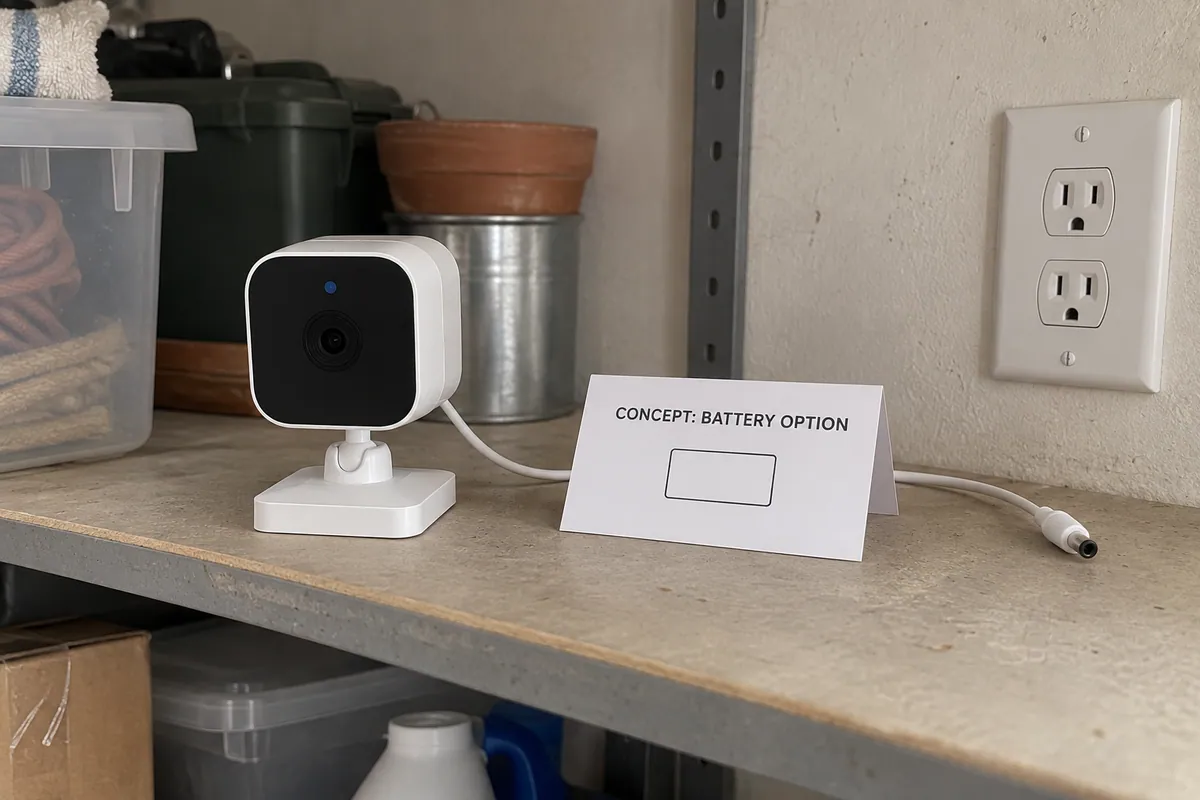
Camera power is a product-boundary decision, not a shorthand for convenience. A mains-powered camera may suit a fixed installation where a cable route is acceptable. A battery-powered concept may change placement expectations, charging responsibility, status communication, enclosure, accessory, and support questions. Neither concept is automatically better; each needs a defined user task and commercial boundary.
This comparison does not assume that an ANHONG model offers either power arrangement. It does not calculate battery life, promise uninterrupted monitoring, or settle electrical and market requirements. It helps a brand ask what the selected camera concept asks of the customer, channel, and project team. The comparison should be reopened whenever a kit, placement instruction, or power accessory changes.
What Should Be Defined Before Comparing Power Concepts?
Identify the intended camera role, mounting context, target market, kit contents, customer task, and acceptable customer responsibility. Is the camera expected to remain in one room? Is a nearby power point part of the installation assumption? Does the brand intend a removable battery, a charging accessory, or a fixed external power path? Those questions describe a concept; they are not feature claims.
Then define the corresponding parent-unit or app relationship separately. Camera power does not decide whether the product is local, connected, or hybrid, and it does not establish parent-unit battery endurance. Keeping those boundaries separate prevents a product brief from carrying a claim from one subsystem into another.
How Can a Camera Power Boundary Card Help?
| Decision area | Mains-powered concept question | Battery-powered concept question | Evidence or approval needed |
|---|---|---|---|
| Placement | Where can the camera be positioned relative to a power route? | Where may it be placed between charging events? | Intended installation task and configuration |
| Customer action | What cable, adapter, and setup instruction are required? | What charging, status, and reinstallation actions are expected? | Approved first-use and support wording |
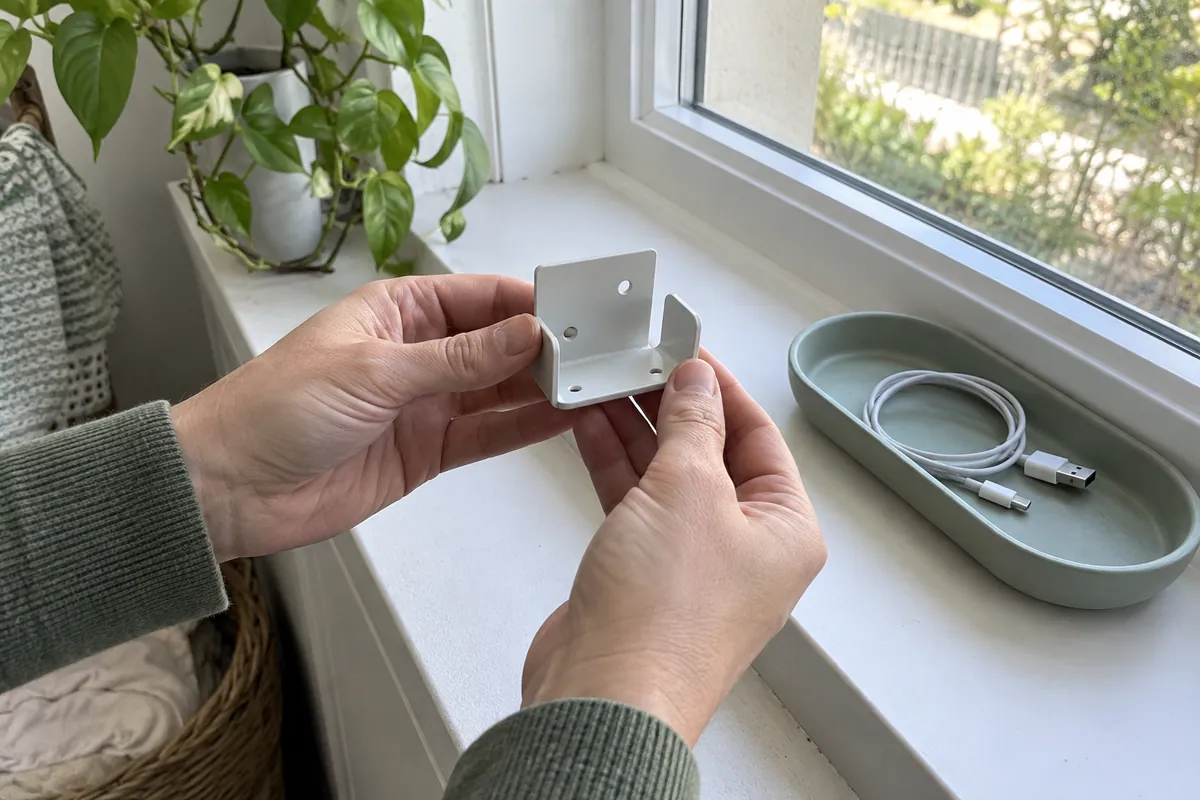
| Kit identity | Which power parts are included for the target market? | Which battery and charging parts are included, if any? | Configuration and pack-out reference |
| Product behavior | What power-loss or connection state must be explained? | What low-charge or unavailable state must be explained? | Sample/build observation for the exact product |
| Service boundary | Who explains placement and replacement questions? | Who explains charging and available recovery paths? | Brand-approved support route |
The Camera Power Boundary Card is a proposed product-definition tool. It does not state that a concept will meet a particular duration, location, safety, or performance outcome.
Why Should Installation and Customer Responsibility Be Discussed Together?
A power choice changes the first-use journey. A fixed-power concept may require the customer to consider cable routing, outlet position, and included adapter identity. A battery concept may require a customer to understand charge status, removal or reattachment if offered, and what a low-power indication means. The product should not leave those decisions to an unqualified “wireless camera” phrase.
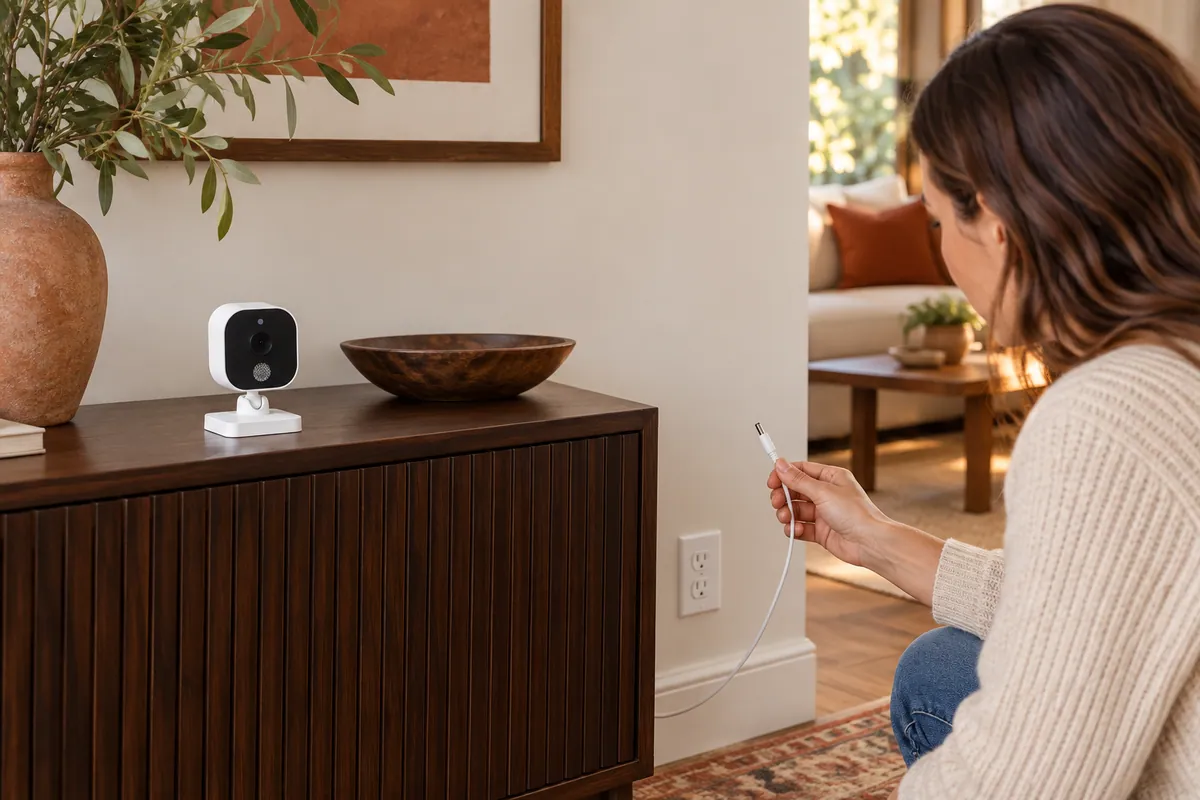
Observe the intended task with the proposed kit and customer materials. Can a reviewer identify the required parts, understand the placement limitation, and find the approved next step after a power-related state? Record uncertainty as a design or documentation question rather than telling a customer that a concept is maintenance-free or suitable everywhere.
ANHONG can connect product definition, camera hardware, and packaging localization to a buyer’s camera concept, channel, target market, kit expectation, and customer journey. This does not promise a power architecture, battery specification, charging behavior, or installation result.
Which Differences Should a Brand Keep Out of Marketing Shortcuts?
Do not equate battery-powered with portable in every condition, or mains-powered with permanent service. Do not imply that a camera will work through every power interruption, that charging is effortless, or that a supplied accessory covers every market. The applicable product documents and market requirements depend on the exact model, configuration, and destination.
Also separate physical power from connection behavior. A camera can have a power source and still have a separate video, pairing, or app path to define. A customer-facing statement should say only what the approved configuration and evidence support.
For a kit and materials discussion, ANHONG’s customization page can help connect configuration decisions to packaging localization. For an engineering scope, see product-development support.
How Should a Brand Review the Two Concepts?
Use the same scenario template for each candidate concept: unpack the named kit; position the camera according to the intended instruction; perform the approved setup; identify the relevant power state; and follow the customer-facing recovery or support path. Record the configuration, accessories, instructions, environmental assumptions, observations, and unresolved questions.
The result is not a winner chosen by a generic checklist. It is a record showing which concept fits the stated channel and user task, which product or documentation work remains, and which claims must stay out of public copy until evidence exists.
How Should a Buyer Decide Which Open Questions Block Release?
Separate questions that affect the immediate first-use route from questions that can remain in a later development record. If the selected concept cannot yet identify its supplied power parts, placement instruction, or customer action after a power-related state, those gaps affect the proposed kit and should have an owner before release. A future enhancement idea is different: retain it as a development question without presenting it as a current feature. This distinction keeps the comparison useful for a commercial decision while avoiding an artificial all-or-nothing verdict.
What Do Buyers Commonly Ask About Camera Power?
Does battery power mean the camera has no placement limits?
No. Define the intended placement, charging actions, and configuration-specific limits rather than inferring universal portability.
Can mains power be described as always available?
No. A power arrangement is not a guarantee of availability. State only the selected hardware and approved customer instructions.
Does this decision determine parent-unit battery life?
No. Camera power and parent-unit endurance are separate product questions requiring separate evidence.
What should a brand send to ANHONG?
Send the concept, target market, kit contents, placement scenario, intended customer wording, and unresolved questions. Contact ANHONG to define the scope.