How Should Brands Review EMC Risks Introduced by Enclosure and Cable Changes?
Map baby monitor enclosure and cable changes to their exact configuration, so the responsible EMC reviewer can define follow-up scope and required evidence.
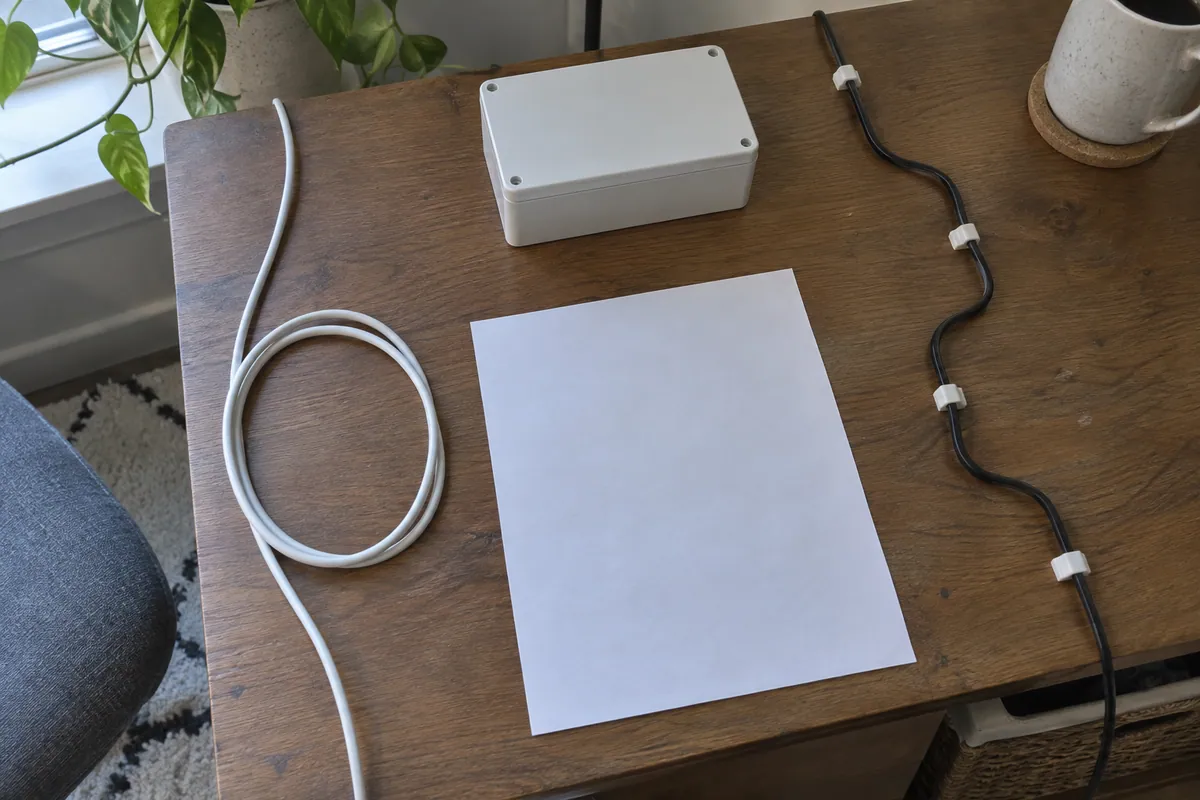
An enclosure or cable change can look minor in a drawing yet change the electromagnetic environment of an assembled baby monitor. A new opening, coating, connector arrangement, cable length, shield termination, or routing instruction can alter the physical conditions that an EMC review needs to understand. The right response is not to declare a product non-compliant from a change notice, nor to assume an old report automatically covers the new arrangement. It is to map the change to the exact configuration and ask the responsible engineering and compliance parties for a defined review scope.
This is not a crowded-band coexistence test and not a substitute for formal conformity assessment. It is a pre-review method for change control.
Why Can a Mechanical Change Matter to EMC?
Electromagnetic compatibility is about equipment functioning acceptably in its electromagnetic environment while not causing unacceptable disturbance. The International Electrotechnical Commission describes EMC in those terms. That general definition explains why a physical change can be relevant: the assembled product includes its housing, interfaces, cables, accessories, and operating modes. It does not prove that a specific baby-monitor change creates an EMC failure or that an ANHONG configuration has passed a test.
Treat the enclosure and cable as part of the offered configuration. A drawing revision without the associated accessory, firmware mode, cable identity, and intended use condition is an incomplete EMC input.

How Can an EMC Change-Scope Map Help?
| Change input | Question for the review | Evidence to attach | Boundary |
|---|---|---|---|
| Enclosure opening or seam | Does the physical containment or interface arrangement change? | Old/new drawing, assembly reference, photos where authorized | Not a measured emission conclusion |
| Cable or adapter | What identity, length, routing, and termination apply? | Accessory specification and kit configuration | Do not substitute a similar cable silently |
| Connector or port | Does the accessible interface or connected accessory change? | Interface definition and intended use | Not a market authorization decision |
| Operating mode | Which powered, charging, video, radio, or app states are relevant? | Configuration and proposed review mode | Do not assume every mode was covered |
| Customer instruction | Does placement or cable routing language change? | Draft material and owner | Instruction is not technical evidence |
The EMC Change-Scope Map is a proposed decision aid. It helps the buyer state what changed before a laboratory, compliance owner, or engineering team decides what evaluation is appropriate.
What Should Be Compared With the Approved Baseline?
Start with the previous approved configuration, not a generic model name. Identify the enclosure revision, cable and adapter identity, connector state, applicable accessories, firmware/build where relevant, and the target market. Then describe the proposed difference in plain physical terms: a new slot, material, fastening arrangement, cable route, cable length, or accessory.
Ask what customer-visible and technical interfaces the change touches. A revised cable may affect packing and instruction material as well as the connected arrangement. An enclosure change may influence fit, openings, assembly, or a label. The buyer should not prescribe the technical answer; it should make the change traceable enough for qualified parties to decide whether prior evidence remains relevant.
ANHONG can support product definition, ID and structural design, hardware, firmware, samples, manufacturing, quality testing, packaging localization, and compliance-support discussions. A buyer can provide the change record, selected configuration, market, accessory scope, and desired evidence. ANHONG’s role does not establish EMC compliance, laboratory results, or certification coverage for all models.
Which Questions Should Go to the EMC Owner?
Ask whether the proposed configuration differs from the evidence baseline; which operating modes, interfaces, accessories, and cable arrangements require review; whether a qualified laboratory or compliance specialist should determine further evaluation; and how the decision will be recorded. Provide unknowns as unknowns instead of completing the map with a guessed adapter or cable.
The IEC’s EMC framing is useful here because it keeps immunity and emissions inside an equipment-and-environment relationship. It does not authorize a brand to state “EMC safe” or “interference-proof” without applicable evidence. Market documents and test reports must remain matched to the model, configuration, and target market.
How Should Instructions and Packaging Be Handled?
If a new cable or routing condition changes the customer setup, update the linked instruction, in-box list, and packaging copy under change control. A revised instruction may reduce misuse, but it is not a substitute for deciding whether the product configuration needs technical review. Conversely, an unchanged carton does not prove the accessory arrangement is unchanged.

Use the product-development process to connect a proposed change to an engineering scope and the quality-control and testing overview for evidence discussion. Keep any formal compliance request separate and configuration-specific.
What Should the Decision Record Retain?
Keep the old and proposed configuration, affected physical elements, market and intended use, relevant modes, attached drawings or specifications, technical questions, review owner, decision, and any new evidence reference. If a proposal is rejected or deferred, preserve that result rather than replacing it with the next revision.
This record prevents a later commercial team from applying one cable or enclosure decision to every product family. It also gives support and packaging teams a clear boundary: communicate only what the approved configuration and instructions say.
What Do Buyers Commonly Ask About EMC Change Review?
Does a new enclosure finish always require a new EMC test?
No universal answer is appropriate. Record the actual physical change and let the responsible technical and compliance parties define the review.
Can an old report cover a new cable?
Only if qualified reviewers determine that the report’s configuration and conditions remain applicable. Do not assume equivalence from appearance.
Is this the same as testing Wi-Fi interference at home?
No. A household coexistence exercise and an EMC change-scope review answer different questions.
What should a brand send to ANHONG?
Send the baseline, proposed change, accessory list, market, intended modes, and open questions. Contact ANHONG to define the project discussion.