What Cybersecurity Evidence Should Brands Request for Connected Baby Monitors?
Request useful security evidence for connected baby monitors. Review access, updates, support ownership and market duties for the offered configuration.
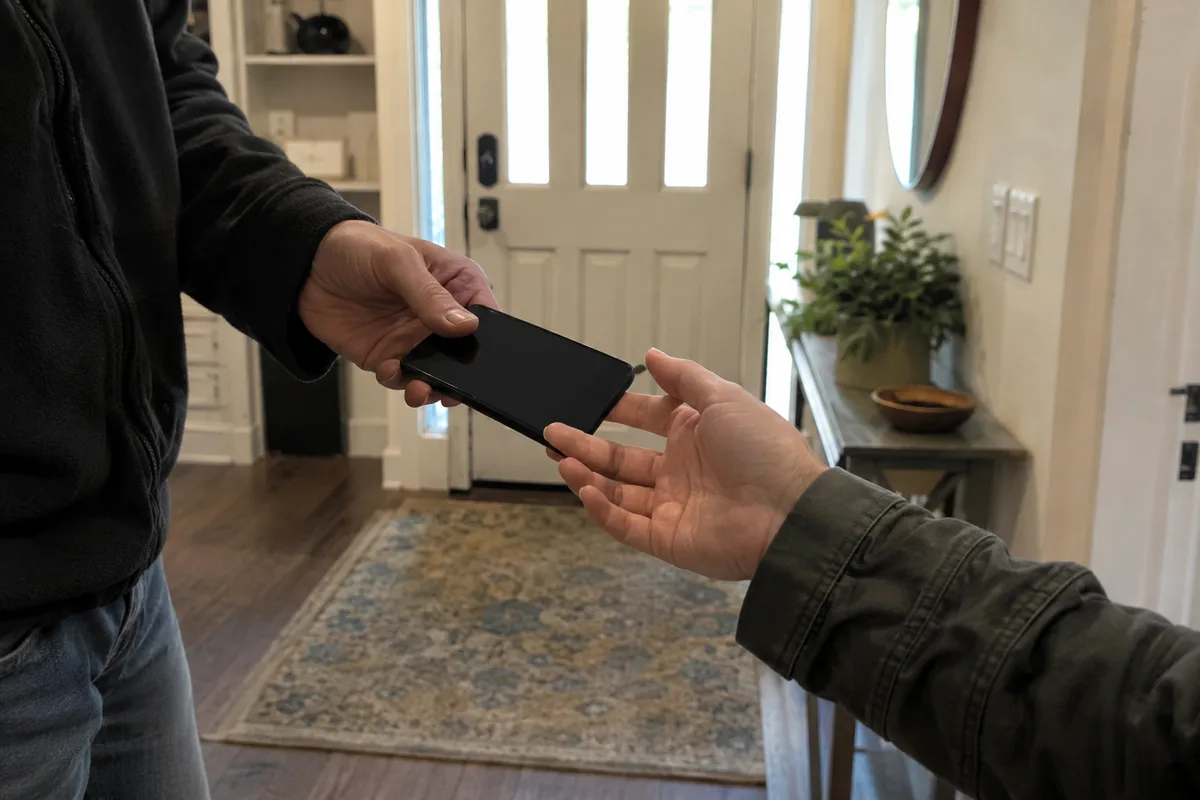
A connected baby monitor security review should produce a traceable evidence pack, not just a promise that the video is encrypted. For a brand, the purchasing question is broader: who can access the product, how weaknesses are handled, and who maintains every part of the service after shipment?
I would begin with a drawing of the offered system and a named owner for each part. That makes later questions about passwords, apps, cloud services and updates much more concrete.
This guide proposes supplier-review questions. It does not claim that a particular ANHONG model has passed a security assessment. Regulatory references were checked on 16 September 2026; applicability still needs to be established for the actual product and market.
What Does the Connected Baby Monitor Security Review Cover?
Identify the camera, parent unit, app, cloud services and third-party software involved in the offered configuration. Record where accounts are created, where recordings may be stored and which functions depend on internet access.
NIST IR 8425 frames consumer IoT cybersecurity outcomes at the product level, not just the physical device. For this procurement review, use that perspective to ask for evidence across the complete offered system; do not describe the NIST publication as a product certificate.
Ask the supplier to distinguish implemented controls, planned changes and unavailable evidence. A roadmap item is not a shipping feature. Keep the evaluated firmware and service versions beside every assessment result.
What Should Happen When Access Changes Hands?
Request a demonstration of initial setup, adding another permitted user, revoking that access and resetting the device for a new owner. Use test accounts rather than real household accounts. Observe whether the previous account can still view or control the camera after the documented transfer process.
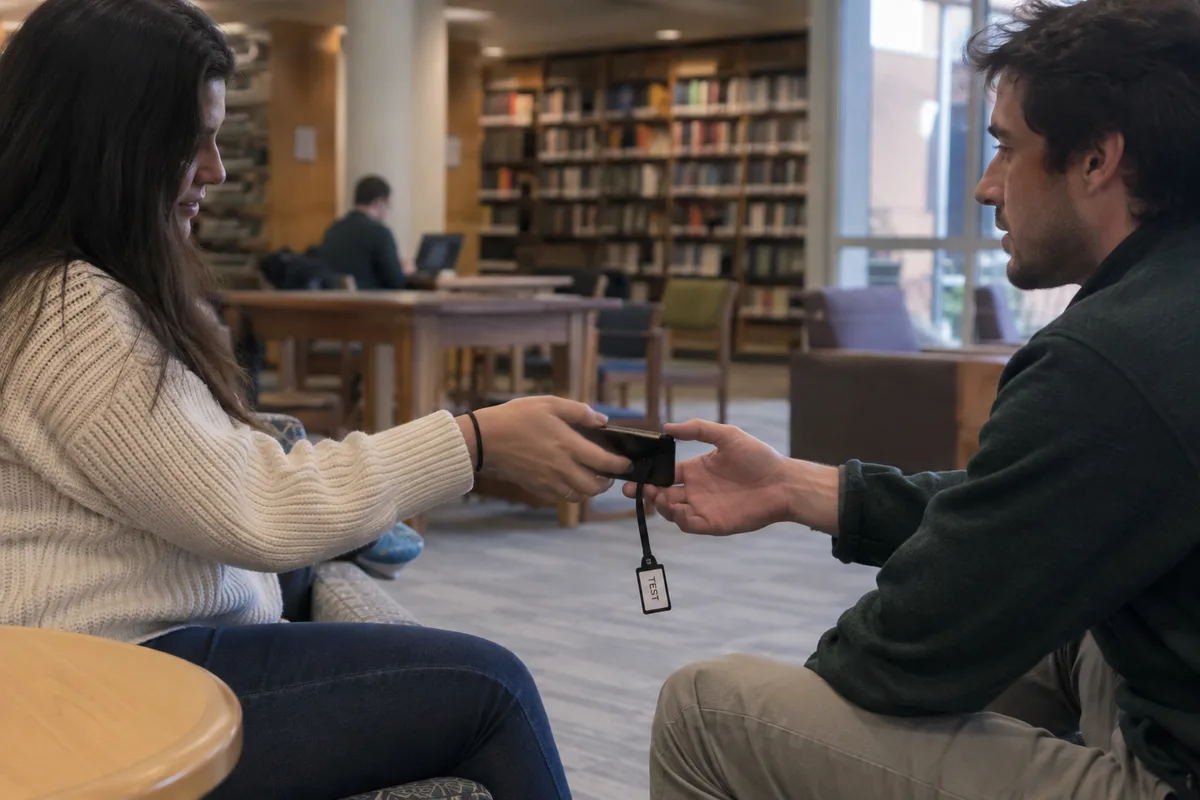
The useful evidence is the procedure and its outcome. Request the test prerequisites, relevant logs with sensitive information removed, and the expected behavior when credentials change. Also ask who approves the user-facing reset instructions.
Do not accept “encrypted” as a complete answer to every question. Ask separately about data in transit, stored data, credential handling and authorization. A supplier may need to provide technical material under an appropriate confidentiality arrangement; the review still needs an identifiable document and accountable reviewer.
How Should You Review Updates and Vulnerability Handling?
Ask for a supported-version list, the security support period and the public route for reporting a vulnerability. Identify who monitors that route, who triages reports and how the brand is informed when action is needed.
For updates, request a controlled demonstration covering a normal update and the documented recovery process for an interrupted update. Ask how the product verifies an update’s authenticity and integrity, how rollout failures are detected and which party can stop a defective rollout. These are questions to validate, not claims that every offered platform already provides the same mechanism.
The commercial agreement should address service continuity as well as technical controls. Who maintains the app-store accounts? Who pays for a required firmware change? What happens if the cloud provider or software subcontractor is replaced? Record those responsibilities before treating the purchase price as the full project cost.
Which Market Requirements Deserve an Explicit Check?
The UK’s consumer connectable product security guidance covers baseline requirements concerning passwords, security-issue reporting and minimum security-update periods, along with statement-of-compliance duties. Scope and exclusions matter; a marketing label alone does not determine applicability.
For the EU, distinguish separate timelines. The Commission states that the Cyber Resilience Act’s Article 14 reporting obligations apply from 11 September 2026, while the Act becomes fully applicable on 11 December 2027. As of this review date, the earlier reporting date has passed. Check the product’s scope and responsible operator against the Commission’s CRA summary.
Also review applicable radio-equipment requirements rather than treating future CRA implementation as a reason to defer present obligations. Keep the legal applicability assessment distinct from this purchasing checklist.
What Should the Supplier Evidence Matrix Contain?
| Review area | Evidence to request | Owner to identify |
|---|---|---|
| System boundary | Component and service inventory; versions | Product/system lead |
| Access | Setup, sharing, revocation and ownership-transfer tests | Device and app teams |
| Data handling | Data-flow description and retention/deletion behavior | Service and privacy owners |
| Updates | Verification method, support period and recovery evidence | Firmware/service maintainer |
| Vulnerabilities | Reporting contact, triage process and escalation route | Security contact |
| Assessment | Scope, version, findings, remediation and retest | Assessor and release owner |
| Market duties | Applicability decision and required declarations | Responsible economic operator |
| Lifecycle | Change control, continuity and end-of-support plan | Brand and supplier contract owners |
For every row, record the evidence date, version, reviewer and unresolved items. A penetration-test summary without the tested version or remediation status is incomplete purchasing evidence. It also cannot promise that a product has no vulnerabilities.
What Else Do Brands Ask About Security Evidence?
Does a local-only product need no security review?
Still review pairing, physical access, firmware maintenance and any network-capable components. Determine legal scope from the actual design rather than assuming that “No-WiFi” is a complete exemption statement.
Is a supplier questionnaire enough?
Use it to identify claims. Request supporting documents or demonstrations for the controls that matter to acceptance, and track unresolved answers.
Can one report cover every private-label variant?
Only if the assessed scope genuinely covers those configurations. Identify differences in firmware, app, service, hardware and branding responsibilities before relying on the report.
Should the brand own the support commitment?
The contract should name the accountable parties and their obligations. Outsourcing implementation does not, by itself, answer who must act when support or a regulatory duty is triggered.
What Should You Send ANHONG for a Security Discussion?
Provide the target markets, launch timing, architecture, app ownership and required support period. Include the evidence your internal reviewer expects and identify who will accept it.
Discuss that scope with ANHONG during product definition. A connected baby monitor security review works best when each important claim has a versioned record and an owner, not when every unanswered question is compressed into the word “secure.”
Define software ownership and evidence requirements within the agreed OEM/ODM project scope.


