What Should Buyers Verify When a Connected Baby Monitor Changes Owners?
Verify account unlinking, device reset, onboarding and support boundaries when a connected baby monitor changes owners without overclaiming deletion.
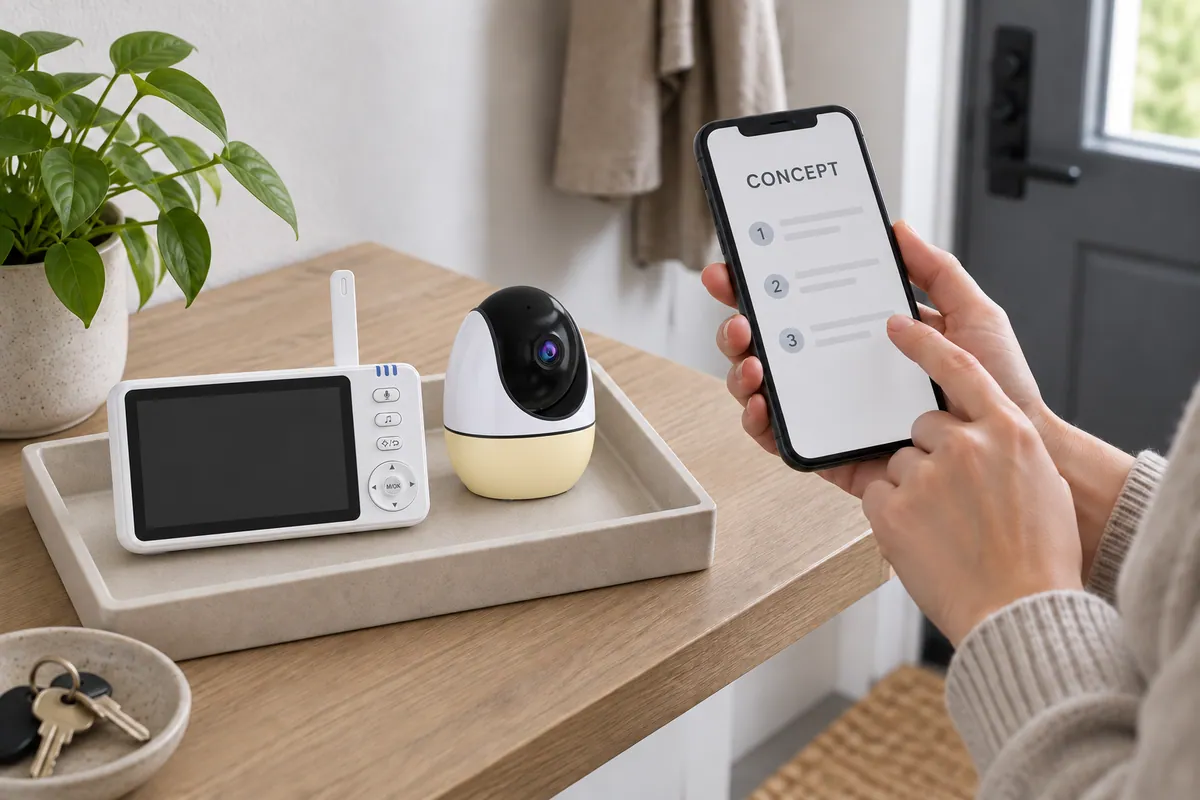
A connected baby monitor can move between households, be returned through a retailer, or be reassigned by a brand’s service team. The visible hardware may be unchanged, but ownership is not. A credible transfer process must explain what leaves the previous account, what remains with the device, who can start the transfer, and how the new owner knows the handoff is complete.
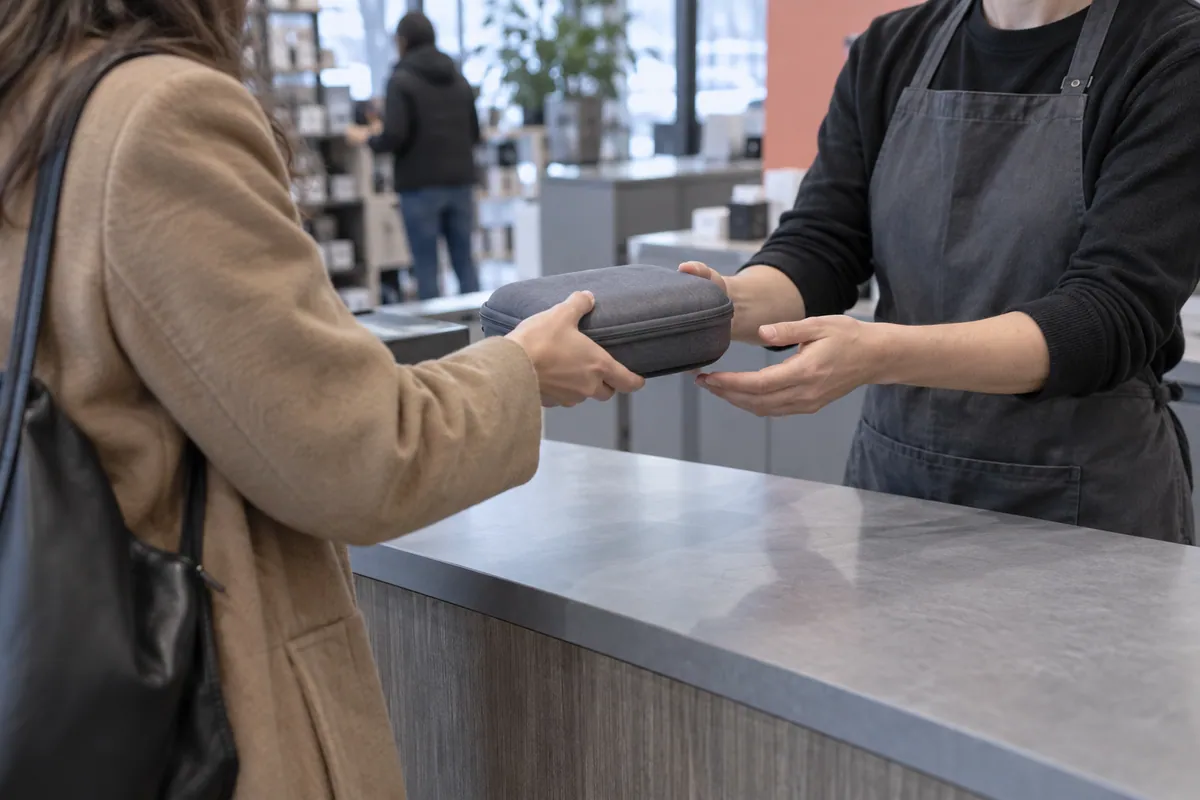
Why is a factory reset not a complete ownership policy?
“Reset the device” may be a useful instruction, but it is not a complete answer. A reset can be one step among account unlinking, device-side confirmation, new-account onboarding, support recovery, and documentation. The required sequence depends on the proposed platform. A buyer should not promise account removal, cloud-data deletion, or instant reassignment until the relevant service behavior and responsibility are confirmed.
What should the transfer map show?
| Stage | Question to answer | Evidence or owner |
|---|---|---|
| previous owner | how is device access removed? | offered account flow and user message |
| device | what reset action is required? | model-specific instruction |
| new owner | what proves it is available to add? | onboarding observation |
| exceptional case | what if the old owner cannot act? | support policy and authorization |
| records | what support history is retained? | project data and service decision |
This Ownership-Transfer Boundary Map is an editorial planning tool. It does not claim an erasure method, legal compliance outcome, or security guarantee.
How should a buyer review the normal path?
Use test accounts and a named sample configuration. Add the device to a first account, perform the agreed unlinking and reset sequence, then attempt onboarding with a second account. Record each screen or indicator that establishes state, any waiting period, the firmware/app build, and actions that were not available. The most important observation is not whether a button is called “reset.” It is whether the project can explain the device’s status at each handoff boundary.
This topic is different from first-time Wi-Fi setup and from a general connected-product security questionnaire. It focuses on a completed change of owner. If the brand intends a resale, return, or replacement workflow, review those separately because their support authorization and data-handling decisions may differ.
What should happen when the former owner is unavailable?
That scenario belongs in the purchasing and support brief before launch. Who can approve assistance? What proof is acceptable? Which team communicates with the requester? What conditions stop the process? The answer should be selected by the brand and applicable platform, not improvised by a factory or a retail agent. Avoid publishing a bypass instruction that could undermine the intended account controls.
How can ANHONG support the project boundary?
ANHONG's App/UI and firmware scope can help connect the proposed transfer sequence to a specific configuration, while B2B after-sales coordination provides an interface for discussing exception handling. Include these requirements in the customization brief. That service scope does not establish what a cloud service deletes, retains or can recover; obtain those answers from its responsible owner.
Which copies of the instruction need the same boundary?
The retail return guide, app help page, customer-service script, and B2B replacement procedure should not quietly describe different handoffs. Review them against the same map. A retail instruction may keep the sequence short, while the service procedure can contain authorization checks and escalation contacts; both should still agree on what the user can expect to see. When the brand changes a provider, app, or device revision, compare the old and new maps before reusing earlier wording.
How should a buyer avoid creating a support bypass?
Publish only the ordinary owner-approved path. Keep exceptional recovery decisions in the authorized support workflow, with named evidence requirements and escalation conditions. This lets a brand plan legitimate returns without turning a public help page into a recipe for bypassing the account relationship. The exact authorization design belongs to the responsible service and brand teams.
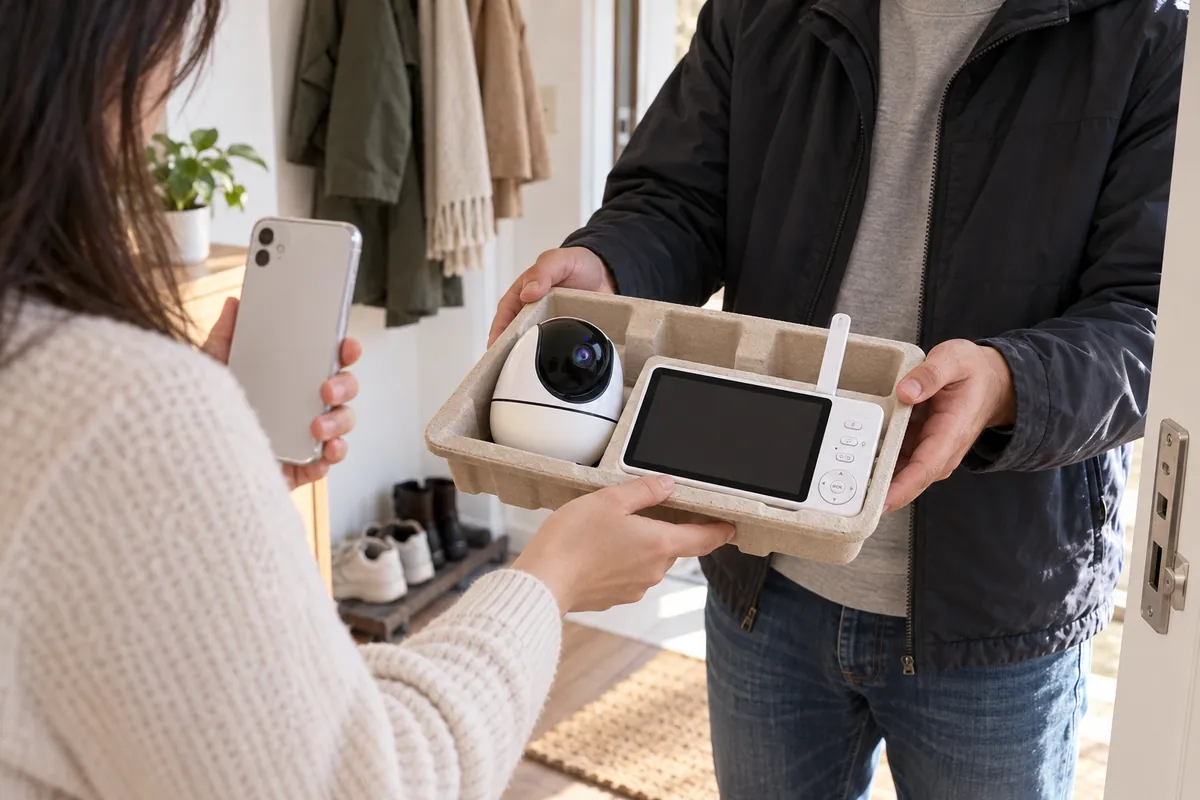
Before launch, ask the support owner to read the map as if a customer is standing in front of a used device. Can they identify the normal route, state what evidence they may request, and say when an exception is outside their authority? If not, the product flow is not ready for a customer-facing promise.
What should be retained after acceptance?
Keep the agreed map, account roles used in testing, device and software versions, observed normal and exception paths, approved help copy, and support ownership. On a later app or firmware change, repeat only the affected path—but do not assume an unchanged device button proves the account workflow is unchanged.
Frequently asked questions: how should ownership transfer be handled?
What if the former owner changes only their email address?
Do not assume an account-contact change is a device ownership transfer. Identify the account and device relationship the documented process changes, and keep the two service requests distinct.
Should a transferred camera retain its former room name?
Put naming and other visible preferences in the handoff review. The product team should decide what a new owner is expected to see and ask the platform to demonstrate that behavior without exposing real household information.
Can a distributor process transfers on a customer's behalf?
Only within a defined authorization and service arrangement. Identify the distributor's role, permitted actions and escalation route before giving it customer-facing instructions; a sales relationship alone does not answer those questions.
What if account transfer succeeds but a paid service remains on the old account?
Treat subscription ownership as a separate open item with the relevant service owner. Do not describe a successful hardware handoff as transferring payment responsibilities or storage entitlements automatically.
For a connected-product handoff discussion, contact ANHONG with the intended service workflow.