How Should Brands Verify Carton Barcode Readability Before Shipment?
Separate a carton barcode scan check from formal verification, then record environment, encoded data, evidence and release ownership before shipment.
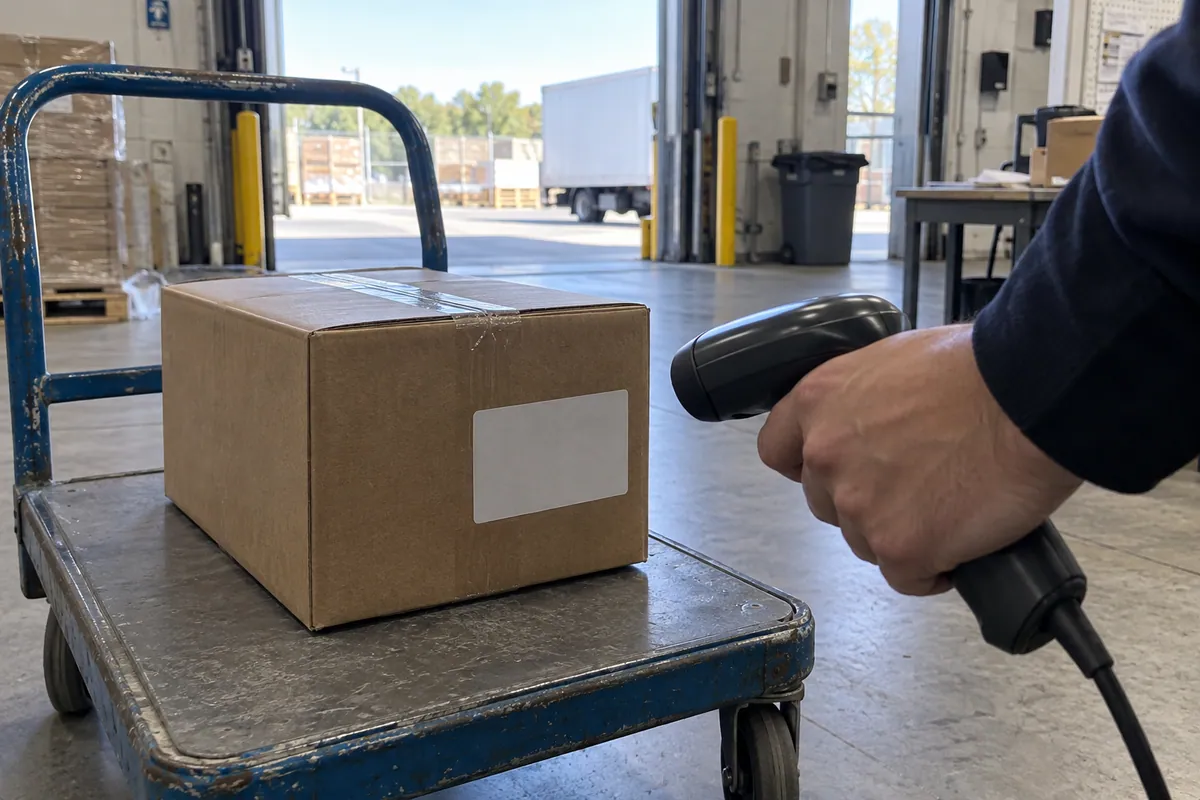
Brands should verify carton barcode readability by first identifying the receiving and scanning environment, then separating a practical scan check from formal barcode verification. A handheld scanner that decodes a carton tells the team that one device read one symbol under one condition. It does not by itself establish that the symbol meets the applicable print-quality, size, placement, data, or trading-partner requirements. Conversely, a verifier report does not replace a receiving-channel trial when the project needs to check an actual workflow.
For baby-monitor cartons, the useful output is a Carton Barcode Readiness Record. It links the carton version, encoded data, intended environment, sample, scanner observation, applicable verification requirement, and release decision. This is a buyer method, not a claim that every ANHONG carton uses a particular GS1 symbol, grade, or channel rule.
What Must Be Known Before a Barcode Is Printed?
Identify the carton level and business purpose. A retail unit, inner pack, distribution carton, and pallet can use different identification and scanning contexts. Do not select a symbol merely because it looks familiar on an artwork file. The brand or its authorised GS1 owner should define the number to be encoded, symbol type, target market, carton level, and trading-partner requirements before artwork approval.
GS1 explains that barcode type, size, placement, and quality depend on the intended scanning environment; point-of-sale and distribution contexts are not interchangeable (GS1's implementation guide). That principle is more useful than inventing one global carton rule. If a retailer, logistics provider, or marketplace has a stated requirement, attach it to the identified carton and destination rather than paraphrasing it as a universal standard.
| Record field | Question to answer | Why it prevents confusion |
|---|---|---|
| Carton identity | Which packaging artwork and revision is being reviewed? | Avoids testing an obsolete label file |
| Encoded data | What value should a decode return? | Separates content from print appearance |
| Intended environment | Retail, distribution, warehouse or another stated workflow? | Drives the applicable requirement |
| Sample condition | Which printed carton, location and surface state were examined? | Makes the observation repeatable |
| Result type | Scanner observation, verifier result, channel test or open item? | Prevents one result from being overstated |
How Is a Scan Check Different From Verification?
A scan check asks a narrow operational question: did the selected scanner decode the printed symbol in the stated setup? Record the scanner type, the actual carton sample, the number returned, number of attempts if relevant to the project method, and any observable condition such as a wrinkle, seam, glare, or damaged print. Do not turn a successful beep into a promise that every scanner in every channel will read every carton.

Formal verification is a measurement process against the applicable symbol specification. GS1 describes verification as measuring conformance for the symbol and notes that a scanner and verifier have different roles; a verifier provides symbol-quality information beyond ordinary decoding (GS1 General Specifications). GS1's current specifications also provide a linear-barcode verification template with fields such as verifier device, calibration date, print method, applicable symbol table, print-quality grade, decoded text, and placement result (verification template).
The distinction matters in a release meeting. “The scanner read it” is an observation. “The report conforms to the named requirement” needs the applicable requirement and qualified report. “The retail partner accepted the workflow” is a separate channel outcome. Keep all three as separate fields.
What Should a Practical Pre-Shipment Check Include?
Use the actual carton material, artwork revision, printing process, and placement proposed for shipment where available. Confirm that the decoded value matches the approved packaging data, and note whether the symbol is near a seam, fold, tape area, wrap, abrasion zone, or curved surface. GS1 lists quiet zones, contrast, symbol size, packaging interference, deterioration, and placement among items that can affect barcode quality and reading (GS1 barcode-quality guidance).
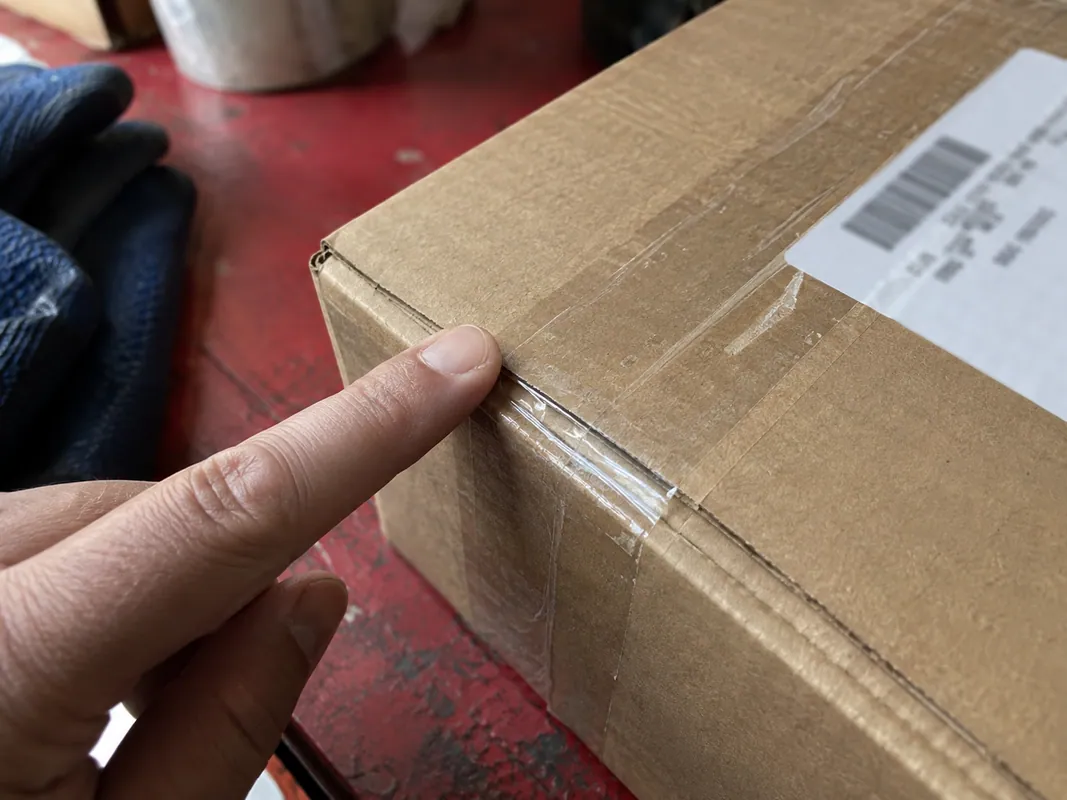
That is a checklist of questions, not an instruction to declare a pass without a channel-specific criterion. A project may need a scanner trial, a verifier report, or both. Decide in advance who owns the barcode data, who supplies the applicable requirement, who performs any verification, and what result allows artwork or packing release. Retain the original record if a carton is reprinted; a later good sample should not erase an earlier observation.
How Can ANHONG Support the Packaging Interface?
ANHONG provides packaging localization, samples, mass production, quality testing, compliance support, and B2B project coordination. For this topic, the practical interface is the carton artwork, selected product configuration, packaging level, target market, and the buyer's supplied barcode and channel requirement. ANHONG can discuss how those inputs should be aligned in a project. That does not make ANHONG the GS1 number owner, a verifier laboratory, or the authority for a retailer's receiving rule.
Bring the Readiness Record to a samples, MOQ and lead-time discussion or quality-control review with the artwork revision and shipment context. For a private-label configuration, baby monitor customization is the right place to identify which carton version is under consideration.
What Should Be Closed Before Shipment Release?
Confirm the packaging revision, approved encoded data, intended environment, applicable channel or GS1 requirement, evidence type, result, exception owner, and final release decision. If a verifier report is required, retain the actual report and its scope. If a scan observation is the agreed check, record its limitation rather than presenting it as formal verification. If the data owner has not supplied the correct value or destination requirement, the status is open—not “probably acceptable.”
This article differs from kit-configuration work. A kit record controls what belongs in a retail set; this one controls whether the chosen carton barcode can be read and evidenced for its intended logistics or retail context. For a defined baby-monitor packaging project, contact ANHONG with the carton level, market, artwork revision, encoded data owner, and verification expectation.
What Do Brands Ask About Carton Barcode Readability?
If a phone app reads the code, is the carton approved?
No. It may be a useful informal observation, but it does not establish the required scanner environment, symbol specification, data ownership, or formal verification result.
Should the same record cover retail and distribution packaging?
Link the records where they share an artwork or data source, but identify each packaging level and scanning environment separately. The applicable requirements may differ.
Can a correct decoded number prove print quality?
No. Decoding confirms a narrow data-read result. Where the project needs print-quality conformance, use the applicable verifier method and report scope.
Who should decide whether a barcode exception can ship?
Name the brand's authorised packaging or channel owner and record the specific scope. A supplier should not infer an exception from a successful scan on an unrelated sample.