How Should Buyers Define a Wi-Fi Router Compatibility Matrix for Baby Monitors?
Define router settings, access conditions and observation coverage before approving baby monitor Wi-Fi compatibility claims for a specific configuration.
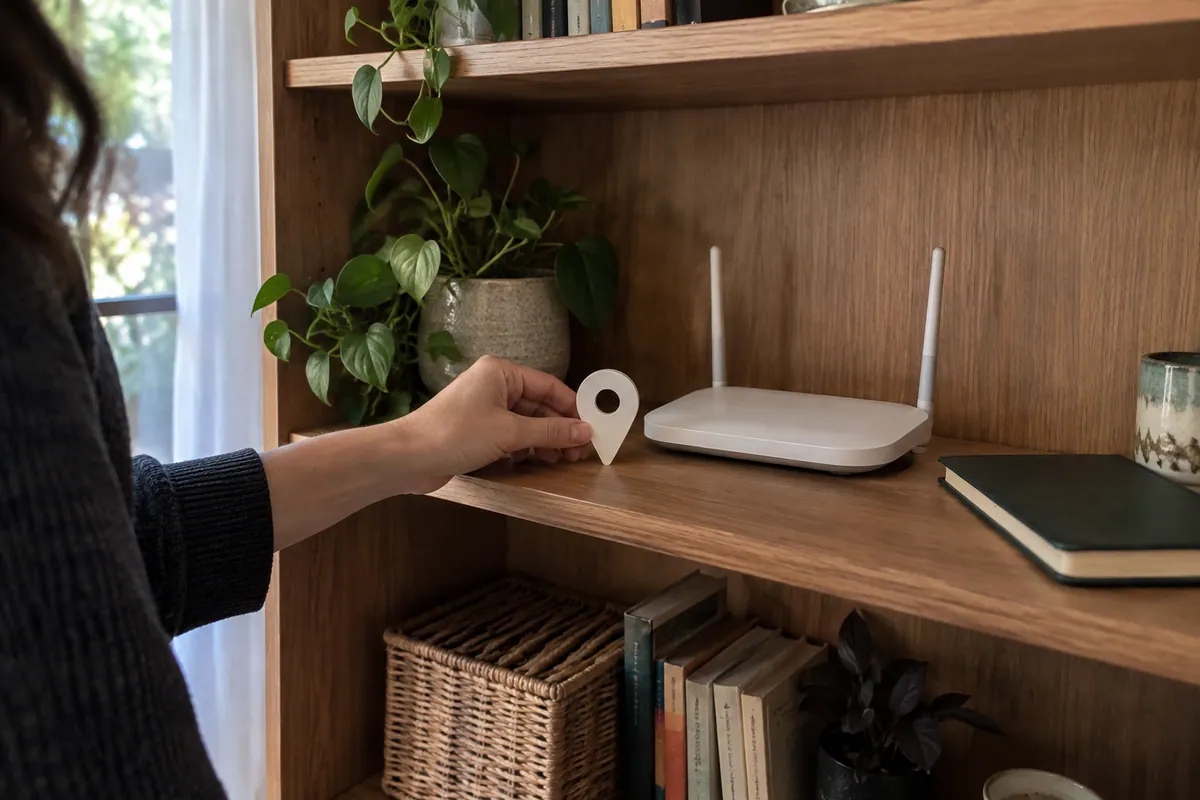
“Works with Wi-Fi” is not a usable sourcing requirement. A router is a combination of radio settings, security choices, band behavior, network separation, internet access, and local device rules. A baby-monitor connection can succeed under one combination and fail under another without either result proving universal compatibility. Buyers need a matrix that exposes the combinations relevant to their intended users before copy turns a limited observation into a broad promise.
This is not a phone-compatibility list, an app-recovery guide, or a claim that ANHONG offers any specific Wi-Fi configuration. It is a method for defining what the selected connected product must be reviewed against.
What Should a Compatibility Matrix Describe?
Start with the actual product boundary. Identify the camera or device configuration, app/build where applicable, setup route, target market, and the connection behavior that matters. Then identify router conditions as variables rather than as brand names. A retailer may ask about 2.4 GHz onboarding, a household may use a combined network name, and a buyer may want to know whether a guest network or isolation setting changes the intended experience. Those are separate test conditions.
The Wi-Fi Alliance describes Wi-Fi CERTIFIED as a certification program for interoperability, security, and application-specific protocols. That can help buyers understand why implementation and configuration still matter; certification terminology should not be borrowed as a product claim unless the exact product and certification status are confirmed.
How Can the Router Compatibility Matrix Be Used?
| Router condition to define | Buyer question | Observation to record | Boundary to keep visible |
|---|---|---|---|
| Radio band and network name | Which bands and naming arrangement are in the proposed setup? | Whether the defined onboarding path completes | Do not infer support for other band arrangements |
| Security mode | Which supported mode is under review? | Setup, reconnect, and normal-use observation | Do not claim every security setting works |
| Network isolation or guest access | Are device-to-device paths restricted? | Result against the chosen user task | A result may depend on local-network rules |
| Internet availability | Does the selected task require external access? | Local and remote behavior separately | Do not call local observation cloud behavior |
| Router configuration change | What changed from the baseline? | Reconnection and support-path observation | Change effects need their own record |
This Router Compatibility Matrix is a proposed buyer tool. It does not certify a device, publish a supported-router list, or state that every household setup will behave the same way.
Why Are Router Brand Names Usually Weak Evidence?
A brand name hides the settings that affect the connection. Two routers from the same manufacturer can use different firmware, bands, guest-network behavior, security modes, or mesh arrangements. Conversely, two different brands can present the same relevant condition. Record the condition first and the router identity only as supporting context.
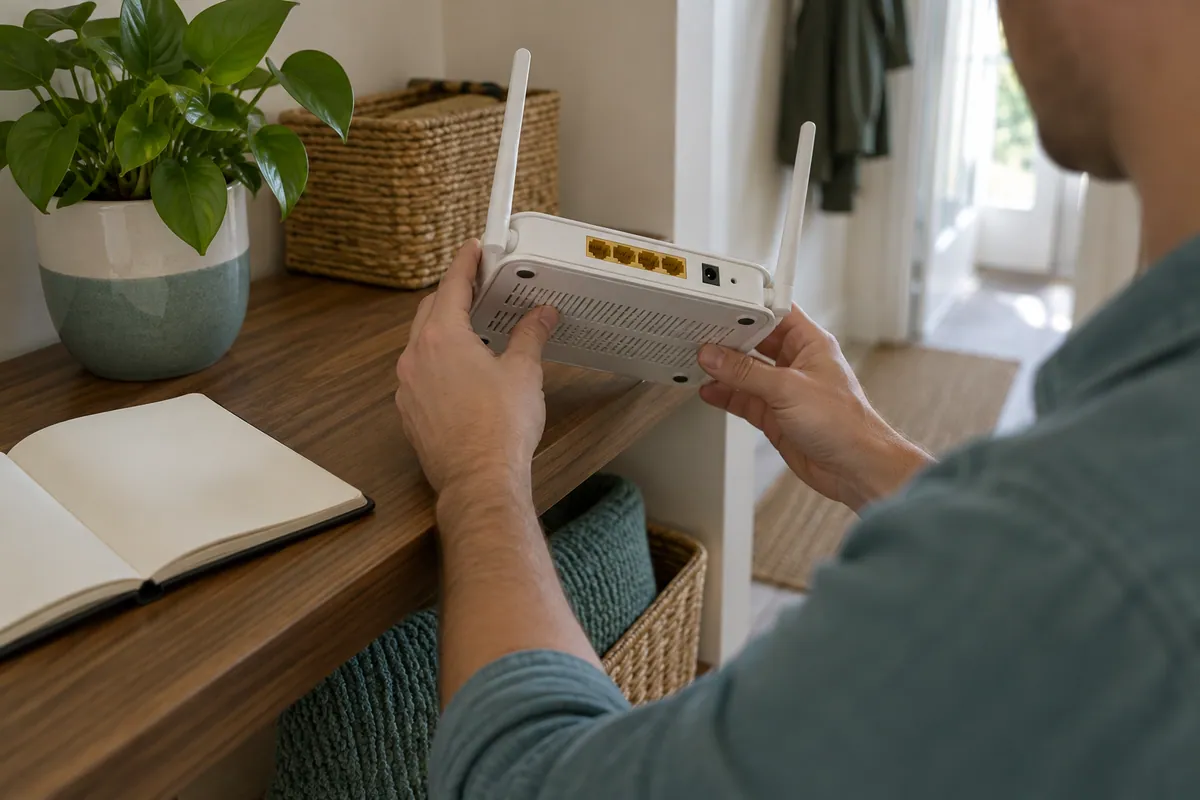
Ask the reviewer to preserve the setup steps, product version, app version where applicable, router condition, observed result, and recovery behavior. “Connected once” is not a compatibility conclusion. A useful record identifies what was tested and what remains outside scope.
ANHONG can connect product definition, firmware/App-UI scope, and sample review to a brand’s target user environments, setup journey, and matrix conditions. This does not promise Wi-Fi compatibility, app behavior, remote access, or support for a specific router feature.
Which Conditions Deserve Priority?
Prioritize conditions that correspond to the intended buyer journey and known channel requirements. If the product is planned for a market where customers commonly use a selected setup pattern, state the pattern as a proposed test condition and identify who supplied the rationale. If a retailer requires a particular onboarding expectation, attach its written requirement rather than translating it into a vague “all routers” promise.
Keep the matrix small enough to be reviewable. A long list of routers without defined variables consumes sample effort while leaving the real condition unclear. When a condition is unconfirmed, mark it as an evidence gap and decide whether it belongs in the next sample, support documentation, or product definition.
How Should Failures Be Interpreted?
First establish whether the reviewed product, app/build, setup route, and router condition match the matrix row. Then record the user-visible behavior: failure to discover, failure to join, loss after setup, limited local behavior, or unclear recovery message. Do not diagnose a root cause from one observation, and do not tell a customer that their router is “unsupported” until the project has an approved, evidence-based statement.
The product-development process can connect those observations to a scoped firmware or App/UI discussion. The sample planning page can frame the sample route. Neither page proves a router result.
How Should the Matrix Inform Public Copy and Support?
Public copy should describe only the reviewed configuration and approved compatibility boundary. A support article can ask customers for relevant setup facts without making them technical investigators: network name pattern, device state, app/build where visible, and the step where the setup changes. Internal support guidance can retain deeper variables and escalation questions.
When a firmware, app, router-condition, or setup flow changes, update the matrix row rather than assuming an old observation remains valid. Keep the old version and result so that a channel or support team can distinguish an unresolved compatibility question from a behavior already reviewed for another baseline.
What Do Buyers Commonly Ask About Router Compatibility?
Does one successful setup prove broad compatibility?
No. It proves only the recorded product, setup path, and router condition. Expand claims only with additional defined evidence.
Should the matrix list every router brand?
No. Lead with the settings and user journey that affect behavior; keep hardware identity as supporting context.
Does Wi-Fi certification settle every setup question?
No. Certification terminology and configuration-specific product behavior should be kept separate unless exact status and scope are confirmed.
What should a brand provide to ANHONG?
Provide target markets, proposed user journey, product/app baseline, priority network conditions, and needed evidence. Contact ANHONG to scope the review.