How Should Buyers Compare Tabletop and Wall-Mounted Camera Framing?
Compare tabletop and wall-mounted baby monitor camera framing with a controlled sample record, approved instructions, and clear B2B decisions.
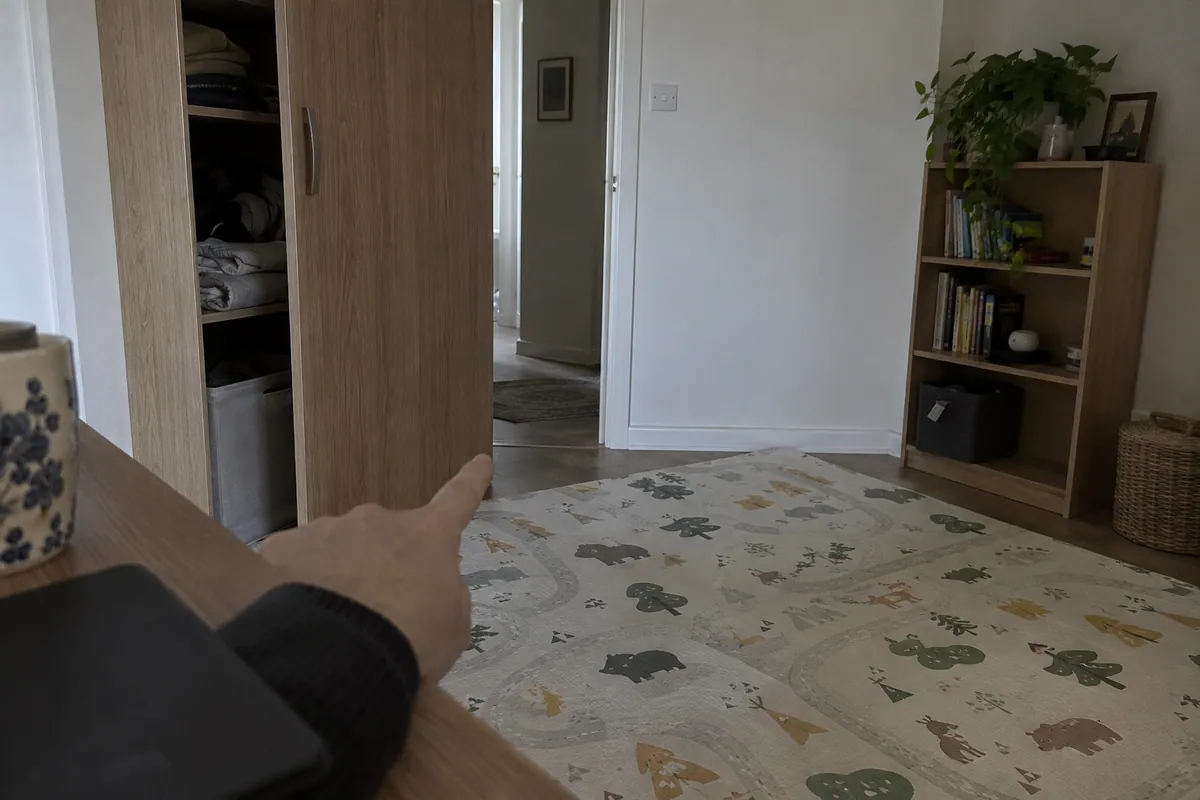
The better camera position is not the one that sounds more permanent. It is the position that produces the agreed view of the intended scene with an approved product configuration. For a B2B buyer, the useful comparison is therefore not “tabletop versus wall mount” in the abstract. It is a controlled sample review: same room target, named camera, known framing objective, and two documented placement options that follow the supplied instructions.
This is not an installation-safety tutorial. Do not invent mounting arrangements, alter hardware, or treat a photograph as approval for an unsupported setup. The installation method, accessories, surface suitability, and warnings must come from the actual product documentation and the responsible installer.
What Does Usable Framing Need to Answer?
Write the answer before moving the camera. A brand may need a broad view of a sleep space, an intended activity area, or a defined zone for a non-medical monitoring scenario. “See the whole room” is usually too vague: a scene can look wide while the part of the scene that matters is poorly placed, blocked, or too small for the receiving view.
Name the intended target, the edges that must remain visible, and the events that should remain interpretable. Then identify what is outside the brief. This prevents a reviewer from rewarding a more dramatic wide angle when it makes the actual task harder.
How Should a Buyer Keep the Comparison Fair?
Compare the permitted tabletop placement and the permitted wall-mounted placement using the same target scene. Record camera identity, selected lens or view setting if the configuration provides one, parent-unit or app viewing path, room light, and the reviewer’s task. A change in all those variables at once cannot tell the team why a frame changed.
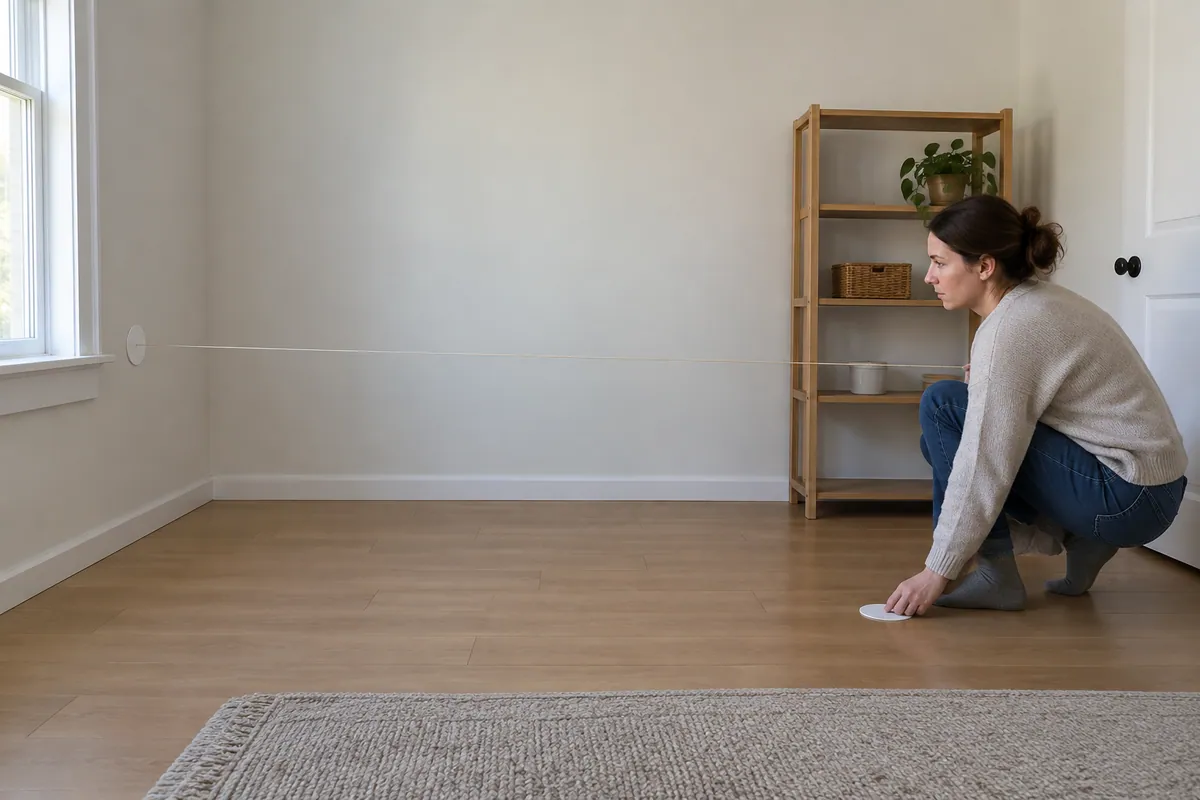
Use a record such as this proposed Framing Comparison Card. It makes a sample discussion portable from one reviewer to another.
| Item | Tabletop observation | Wall-mounted observation | Follow-up question |
|---|---|---|---|
| Required scene edges | list visible and missing edges | list visible and missing edges | Which edges are truly required? |
| Obstruction risk in the chosen room | describe actual objects in view | describe actual objects in view | Is this a room issue or a placement issue? |
| Parent-view task | note whether the task is completed | note whether the task is completed | Is the viewing path the same? |
| Setup traceability | record permitted position and instructions | record permitted position and instructions | Is the configuration documented? |
| Sample decision | accept, revise, or not evaluated | accept, revise, or not evaluated | What must change before retest? |
The card does not prove that one position works in every home. It shows exactly what was observed for the agreed sample and scene.
Which Geometry Questions Belong in the Product Brief?
Geometry in this context means the relationship among camera position, target area, viewing direction, and the receiving view. It is not a promise about a particular lens, wall bracket, or coverage area. Ask practical questions: Does the required target stay in the frame? Is an important edge lost when the camera is moved? Does a tabletop position depend on furniture that is not part of the customer’s expected setup? Does the allowed wall position create a different first-use instruction need?
The best comparison also distinguishes placement from image quality. If the camera image itself needs a detail, motion, or delay review, use a separate method and the site’s broader quality and testing scope as project context. A framing result should not silently become a claim about low-light capture or wireless performance.
How Should Instructions Influence a Framing Decision?
Instructions are part of the commercial configuration, not an afterthought after the sample is approved. If the product’s approved instructions allow a placement method, the buyer can assess whether the first-use explanation, included parts, and packaging language make that method understandable for the target market. If they do not, record the gap rather than asking a reviewer to improvise a different installation.
This is where physical contents and documentation must remain aligned. A wall-mounted sample view is not a reason to imply that every kit includes mounting hardware. Likewise, a tabletop view does not establish that an arbitrary elevated surface is suitable. The sample record should name the kit configuration being considered and refer back to the supplier’s documentation.
How Can ANHONG Help Turn a Framing Need into a Reviewable Scope?
ANHONG’s work can include product definition, ID and structural design, samples, packaging localization, and quality testing. For a brand that has a real framing requirement, those capabilities matter because the requirement can be translated into a specific project input: desired scene, approved configuration, documentation language, and sample evidence to review.
That is different from claiming that ANHONG provides a universal mounting solution. The proposed camera model, included accessories, target market, and approved instructions must first be confirmed. Once that is clear, a brand can decide whether it needs standard sourcing, Private Label, OEM, or ODM support—and whether the open question belongs to product definition, packaging localization, or sample verification.
Read ANHONG’s baby monitor customization overview for the broader project conversation. Pair it with sample, MOQ, and lead-time planning when the framing comparison affects sample requirements.
What Else Should Buyers Ask About Tabletop and Wall-Mounted Framing?
What if the target market has many rented spaces with no permitted wall position?
Record the wall-mounted option as not evaluated for that use context and assess the documented tabletop configuration against the same written scene target. The product brief can then describe the scope it actually supports instead of treating a wall position as an assumed fallback.
What if the relevant mounting accessory is missing from the sample?
Do not infer fit or framing from a product image. Mark that configuration as pending, request the applicable accessory and documentation, and keep the tabletop result separate from the unfinished wall-mounted comparison.
How should a team record daily room activity that blocks the chosen view?
Note the ordinary object or movement that creates the obstruction, the target edge it affects, and whether it belongs to the room or the placement choice. This gives the product team a specific framing question without claiming that one room arrangement applies to every household.
When should a framing issue change the first-use materials?
Change the material when the approved configuration needs the user to identify a particular target area, permitted placement, or visible limitation to complete the intended task. Keep the wording tied to the confirmed kit and instructions.
What Should a Buyer Send ANHONG for a Framing Comparison?
Send the intended scene, required visible edges, target-market packaging language, permitted placement options, and the model or platform under consideration. Contact ANHONG to discuss a configuration-specific sample brief. A clearly bounded framing record helps the team decide what to test without converting an editorial guide into a product or installation promise.


