How Should Brands Define Startup, Low-Battery and Connection-Loss Sounds?
Define baby monitor startup, low-battery and connection-loss sounds by event meaning, visible state and recovery path before approving a sample.
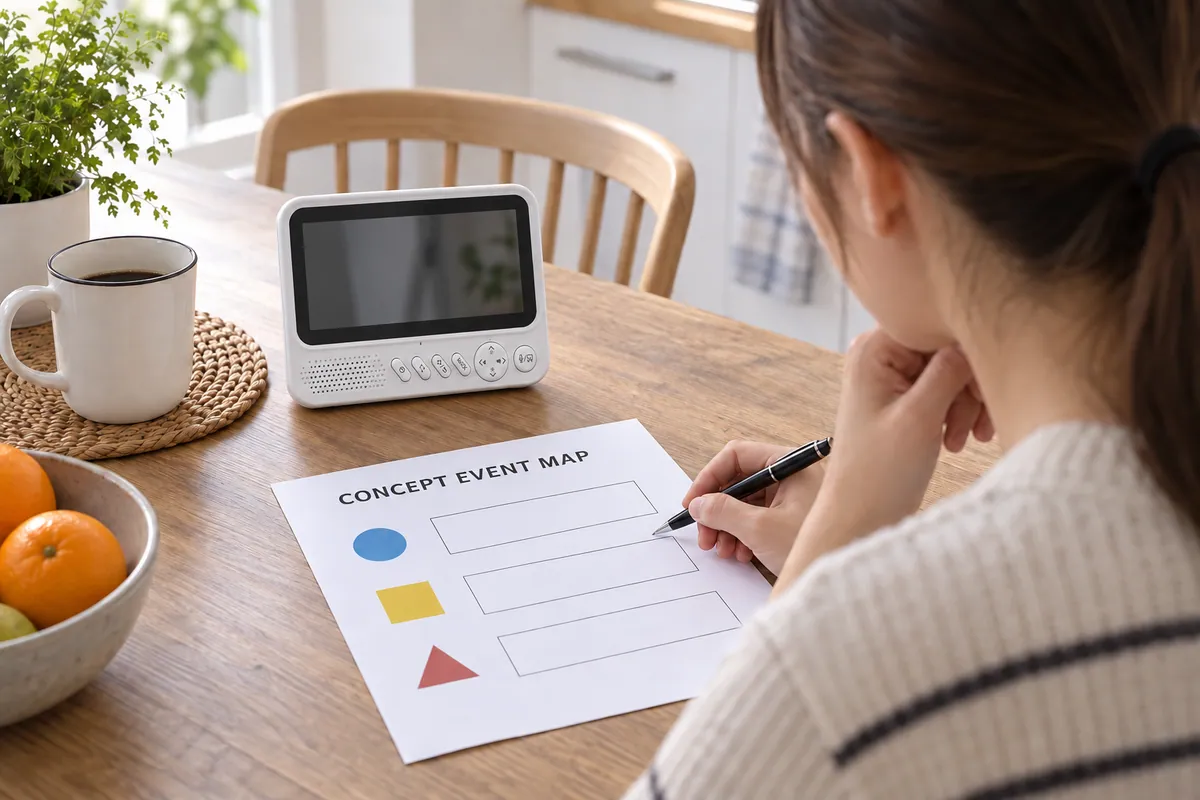
System sounds should tell users what changed and what, if anything, they should do. A brand that treats startup, low-battery, and connection-loss sounds as interchangeable “alerts” creates ambiguity at the moment attention is needed.
What must each sound communicate?
For each event, define trigger, intended meaning, visible state, user action, repeat behavior, muting/configuration boundary, and recovery condition. A startup sound can confirm power-on; a low-battery sound can request charging action; a connection-loss sound can explain a viewing-path interruption. Do not assume the same tone, volume, or priority fits all three.
How can an Alert Meaning Card help?
| Event | Trigger to confirm | User meaning | Visible companion | Recovery to review |
|---|---|---|---|---|
| startup | agreed power state | product is beginning operation | defined status | intended ready state |
| low battery | configured condition | user needs a power decision | defined status | charge/recovery path |
| connection loss | agreed connection state | viewing route needs attention | defined status | reconnection behavior |
This is editorial product-definition guidance, not proof that every product offers a given sound or that a user will always hear it.
How should samples be reviewed?
Follow the event sequence on the offered configuration, recording controls, volume/settings, visible cues, software version, and what happens after recovery. Check that the sound and interface do not contradict each other. Keep this separate from lullaby/playback priority and from a broad connectivity-performance test.
ANHONG can connect product definition, firmware/App-UI scope, and sample review to a brand’s defined alert brief. Confirm the actual configuration and target-market wording before making a feature claim.
Why should alert meaning be defined before sound design?
Teams often start by selecting a pleasant tone or a volume level. That is backwards for a procurement brief. First decide what the product needs to communicate and what the user is expected to do next. A startup indication may require no action at all; it may simply accompany a visible ready state. A low-battery notification may need a clear charge decision. A connection-loss indication may require the user to check a path, power state, or selected device. The sound choice can then support that message instead of becoming the message by itself.
This distinction matters when a product is localized. A tone is not translated, but its meaning is explained in packaging, quick-start material, the user interface, and customer service. If those materials describe different consequences, a user can receive a clear sound and still have an unclear instruction. Keep the approved event definition alongside the localized text and sample version.
How should an event sequence be captured?
For each selected event, write a short sequence from normal operation through trigger, notification, acknowledgement if available, and return to the intended state. Record whether the alert repeats, what a user can change, and what remains visible after the sound stops. If the offered configuration does not provide an acknowledgement or setting, record that boundary rather than creating it in the requirement. The review should also distinguish a local parent-unit sound from an app notification, if both exist; one does not demonstrate the other.

| Sequence point | Review question | Record |
|---|---|---|
| normal state | what is the user doing? | active mode and configuration |
| trigger | what condition was intentionally created? | reproducible action or state |
| notification | what is heard and seen? | cue, label, and timing context |
| response | what action is available? | control path or no-action boundary |
| recovery | how does the state end? | observed final state |
This table is not a request to trigger unverified battery or network conditions outside the supplier’s approved test process. It is a way to document whichever behavior the real sample can demonstrate and to label anything else as an open evidence request.
What should be kept separate from an alert definition?
Keep alarm semantics separate from acoustic performance, battery endurance, network reliability, and medical or safety claims. A low-battery notice does not guarantee that the unit will remain usable for a stated period; a connection-loss alert does not guarantee that every interruption will be detected; a startup sound does not certify readiness of every service. Those broader issues may require different sample tests, product specifications, and market reviews.
How can the card guide a supplier handoff?
The buyer should supply the selected events, target market, required words or icons, intended user action, configuration scope, and evidence expected at sampling. ANHONG can then discuss whether the offered platform, firmware, App/UI, and sample process can support that brief. For B2B after-sales coordination, the same card gives support staff a limited, consistent explanation rather than a broad claim about what an alert “protects” against.
What should change trigger a new review?
Revisit the card when a firmware build, UI wording, product power architecture, connectivity path, or localization changes the selected sequence. Record the old and new behavior rather than assuming a familiar tone means the event has the same meaning. This protects the product line from carrying a customer-facing promise from an earlier configuration into a different one.
Frequently asked questions: how should alert sounds be defined?
Should every event use a unique sound?
Not automatically; the important requirement is that the intended meaning and state are understandable.
Is a low-battery sound a safety guarantee?
No. Describe a configured notification, not a guaranteed outcome.
What should support receive?
The approved event matrix, labels, version, settings boundary, recovery steps, and escalation owner.
What belongs in packaging copy?
Only confirmed functions and their limited user meaning; avoid promises beyond the offered configuration.
For an alert brief linked to a sample configuration, contact ANHONG.