How Should Brands Choose a Parent-Unit Screen Size for Their Intended Use?
Choose a baby monitor parent-unit screen size by viewing task, carrying pattern, product role and sample comparison instead of assuming larger is better.
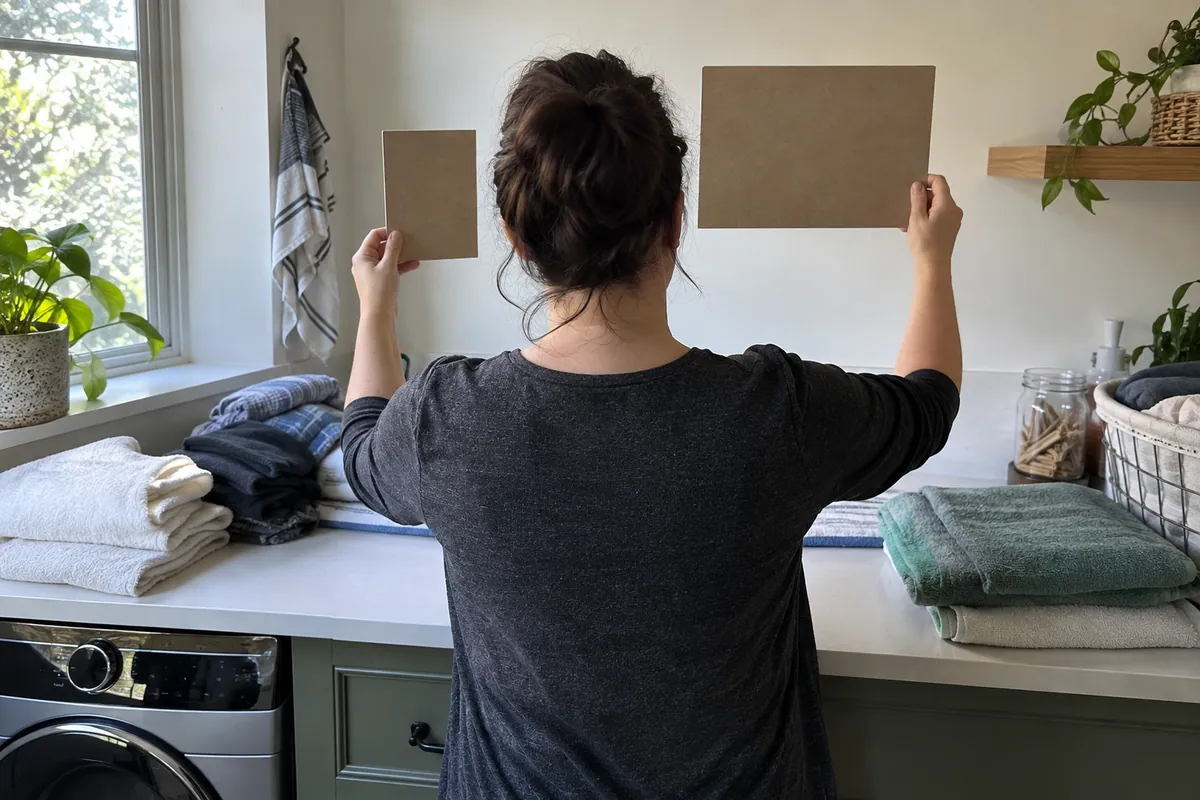
Screen size is not a “bigger is better” purchase line. It changes what a parent can see, carry, charge, and operate, but its value depends on the task the product is meant to support. A sourcing team should define those tasks before it compares diagonal measurements.
What task should determine screen size?
Name the expected viewing moment: a brief check while carrying the unit, a longer stationary look, a shared household view, or a close inspection supported by another control. Then record the required information, the normal holding position, the enclosure constraint, and the intended channel. A large display can make one task easier while making portability or price positioning harder; a smaller display can suit a compact product but require clearer information hierarchy.
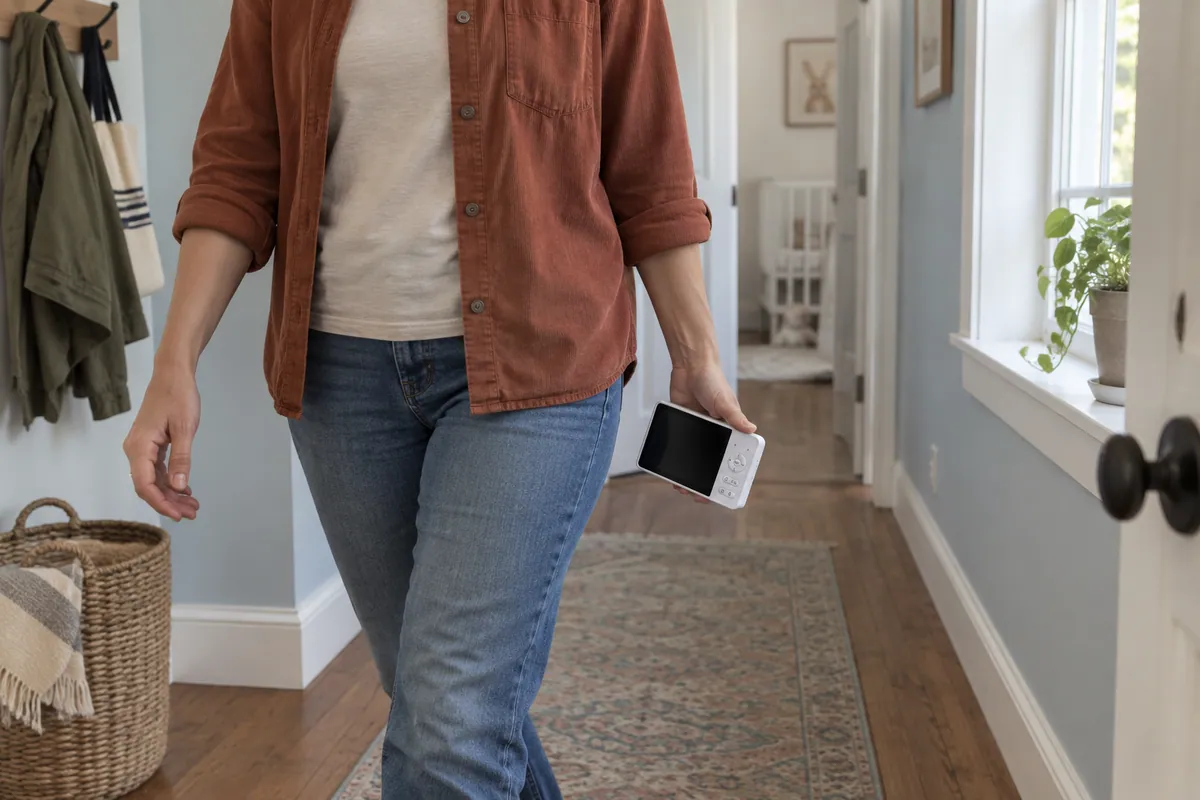
How can a Screen-Task Trade-Off Card help?
| Input | Question | Decision to record |
|---|---|---|
| viewing task | what must be recognized? | required information priority |
| carrying pattern | pocket, bedside, or fixed surface? | size and enclosure constraint |
| controls | can key status remain clear? | display/control relationship |
| channel role | entry, step-up, or premium? | value proposition |
This is a proposed procurement tool, not a readability result. Do not infer image quality, battery runtime, or universal usability from a panel size.
Why should size stay separate from screen readability?
Readability under household lighting is a condition-based review. Screen size is a platform-choice discussion. The same display can be acceptable for one task in one enclosure and not another; the same task can fail when glare, status hierarchy, or viewing position changes. Keep those records separate so a brand does not ask for a larger screen when the actual problem is an unclear status indicator or unsuitable placement.
How should samples be compared?
Use the same named task, representative room condition, and viewing path. Ask reviewers to identify the agreed information, hold or place the device as intended, perform the key control task, and record what made the task easier or harder. Keep display size, physical enclosure, screen content, brightness behavior, and software build in the record. The review can guide a product decision, but it cannot establish that every user will prefer one size.
ANHONG can discuss product definition, parent-unit hardware, and sample scope for B2B projects. A buyer can bring a Screen-Task Trade-Off Card to define the desired product role and review the offered configuration. That does not mean each platform offers every display size or adjustment; confirm model and configuration details in the sample brief.
Which physical trade-offs should sit beside the screen discussion?
The screen is part of a parent unit, not an isolated rectangle. A larger panel can influence the housing footprint, protective packaging, stand design, controls around the bezel, charging arrangement, and the way a user carries the device. None of those consequences should be guessed from a diagonal measurement. Ask which of them matter to the selected channel and whether the product brief has already made a decision about portability, table use, or one-hand interaction.
This is where a brand can make its position more coherent. An importer selling a straightforward monitor through a compact retail channel may choose a small, purposeful parent unit and invest in clear default information. A brand that expects longer stationary checking may choose a different balance. Both can be rational choices when their intended task, configuration, and user materials agree. The error is treating a display-size claim as a substitute for that reasoning.
How should a review team compare candidates fairly?
Give each reviewer the same short scenario and do not coach them toward a preferred panel. Ask them to locate the agreed state, complete the intended control action, put the unit down or carry it as the brief requires, and identify what changed. Keep observations descriptive: “reviewer could identify active view at the bedside” is more useful than “large screen good.” If two samples have different interface layouts, record that difference; do not attribute every outcome to the panel.
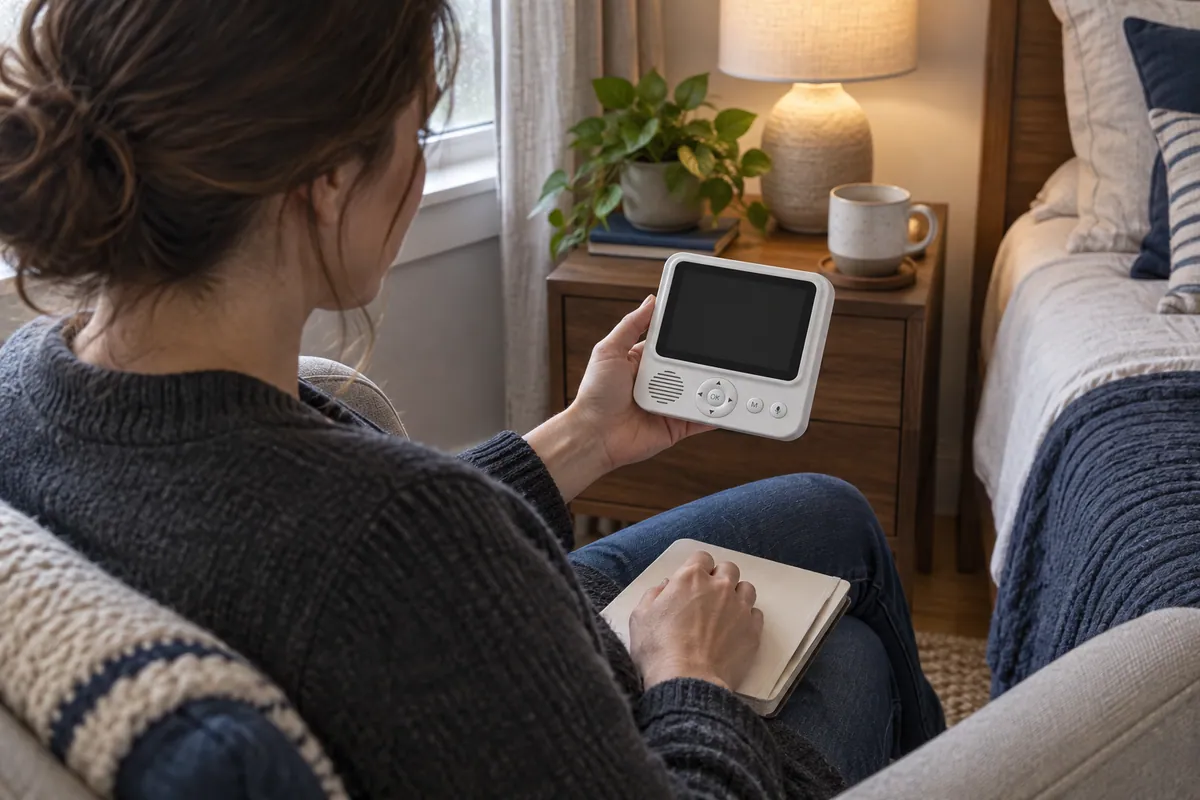
After the session, separate decisions into three columns: product role, physical package, and interface improvement. A larger display may be the right answer, but it may also be that the required status is too small, the control is poorly placed, or the intended task needs a different default view. That separation protects the buyer from buying a size upgrade to solve an information-design issue.
What should a product brief freeze before development proceeds?
Freeze the intended task, target channel, parent-unit form factor boundary, mandatory information, candidate viewing conditions, and the sample comparison method. Also note which question remains open—for example, whether a stand is part of the approved kit or whether an app supplements the parent unit. This lets ANHONG and the brand discuss standard sourcing, Private Label, OEM, or ODM scope without assuming features that are not confirmed.
What should marketing avoid?
Avoid treating a diagonal measurement as proof of a superior monitoring outcome. Explain the intended use instead. If the product is designed for a compact carry-around task, say so within confirmed product facts; if it is positioned for a more stationary view, make that commercial role clear. Packaging, retailer tables, and user instructions should all describe the same selected product boundary.
Frequently asked questions: how should screen size be selected?
Is the largest available screen always premium?
No. Premium positioning needs a defined buyer benefit, not an assumed size hierarchy.
Can a smaller unit still support an important task?
Possibly. Define the information task and confirm it with the offered sample.
Does screen size determine battery life?
No. Runtime depends on the complete configuration and use conditions; assess it separately.
What belongs in an RFQ?
Include the intended tasks, carry/placement assumptions, channel role, required information, and configuration to review.
For a parent-unit brief tied to your product position, contact ANHONG.