How Should Buyers Select a Distribution Profile for Baby Monitor Packaging Tests?
Select a distribution profile for baby monitor packaging evidence by route, configuration, pack-out and test objective instead of assuming one box fits all.
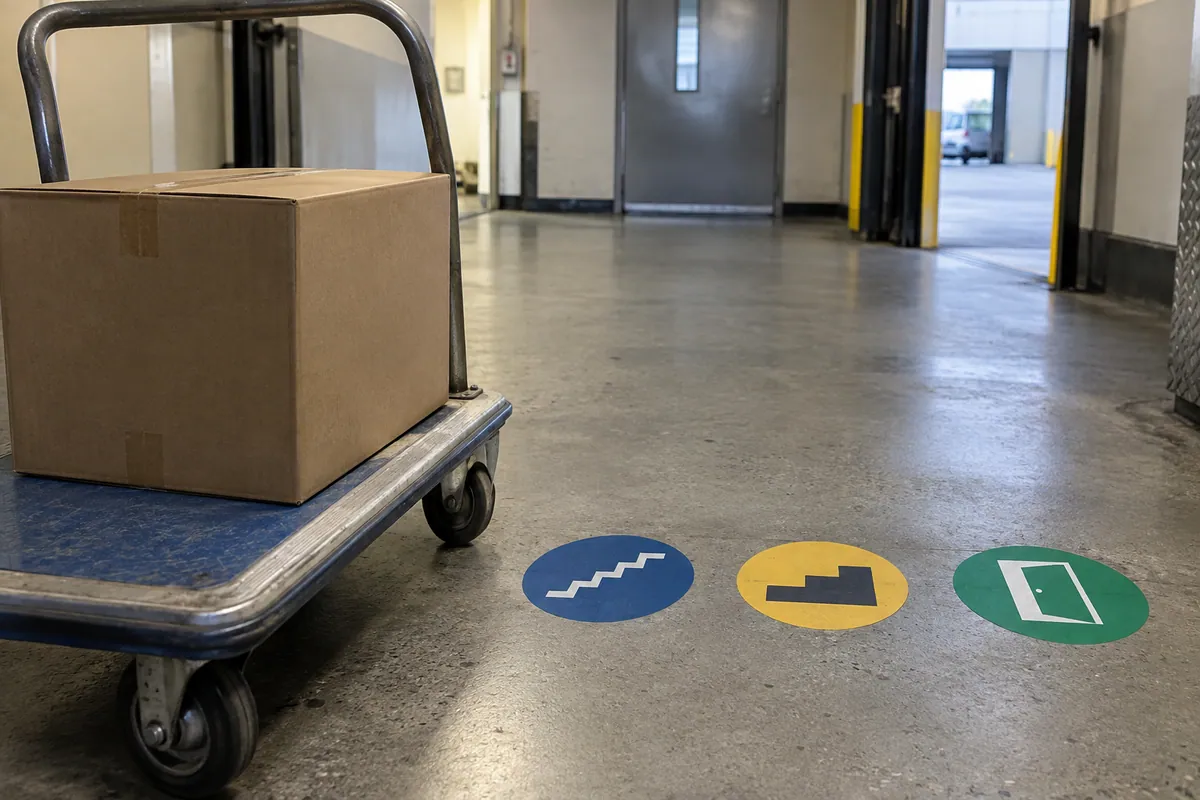
Packaging evidence has to match the route a baby monitor kit will actually take. A retail box inside a pallet shipment faces a different handling story from an individually shipped marketplace order. Selecting a distribution profile is therefore not a paperwork step after the pack-out is approved; it is how a buyer makes the test objective relevant to the configuration and channel.
What is a distribution profile?
It is a concise description of the product configuration, packaging layers, route, handling points, and intended test objective. It does not predict every shipment event or prove that a package will never be damaged. It gives a packaging specialist and testing provider enough context to identify an applicable evaluation rather than selecting a procedure by name alone.
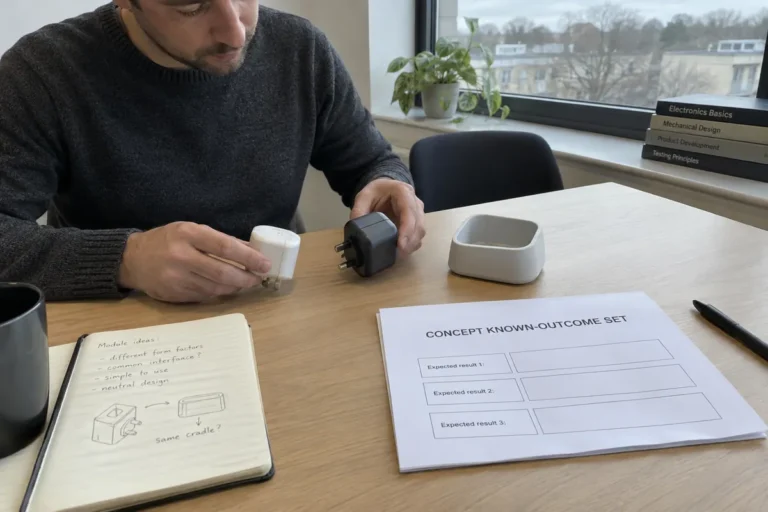
ISTA’s test-procedure overview distinguishes screening procedures from transport-environment simulations. Use that distinction to ask what the project is trying to learn. A quick screen, a route-representative evaluation, and a buyer’s own handling check are not interchangeable evidence.
Which inputs should the buyer map?
| Route input | Example question | Why it changes the discussion |
|---|---|---|
| sales channel | individual parcel, retail replenishment, or distributor movement? | outer arrangement and handling differ |
| product configuration | which camera, parent unit, accessories, and power parts? | mass and contact relationships differ |
| packaging layers | retail box, master carton, pallet or other layer? | protection path changes |
| known handling points | where is the kit transferred or opened? | objective can be scoped |
| test objective | screening, simulation, or project check? | evidence is not mislabeled |
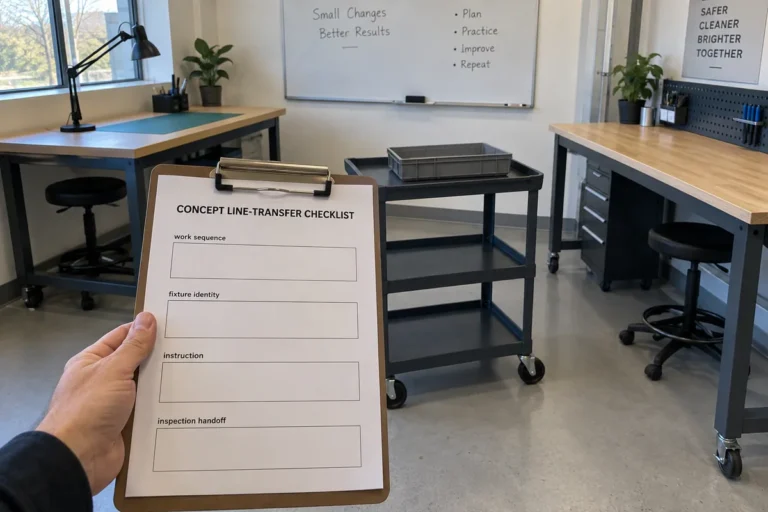
The Distribution-Profile Selection Sheet is a proposed purchasing tool. It does not select a test procedure, certify a pack-out, or claim an ANHONG result.
Why is this different from a retail-box redesign review?
A box redesign review asks whether a changed insert, space, orientation, or accessory layout still makes physical protection sense. A distribution profile asks which transport and handling conditions the configured pack-out should represent. Both are necessary when a new box also changes channel use, but neither replaces the other.
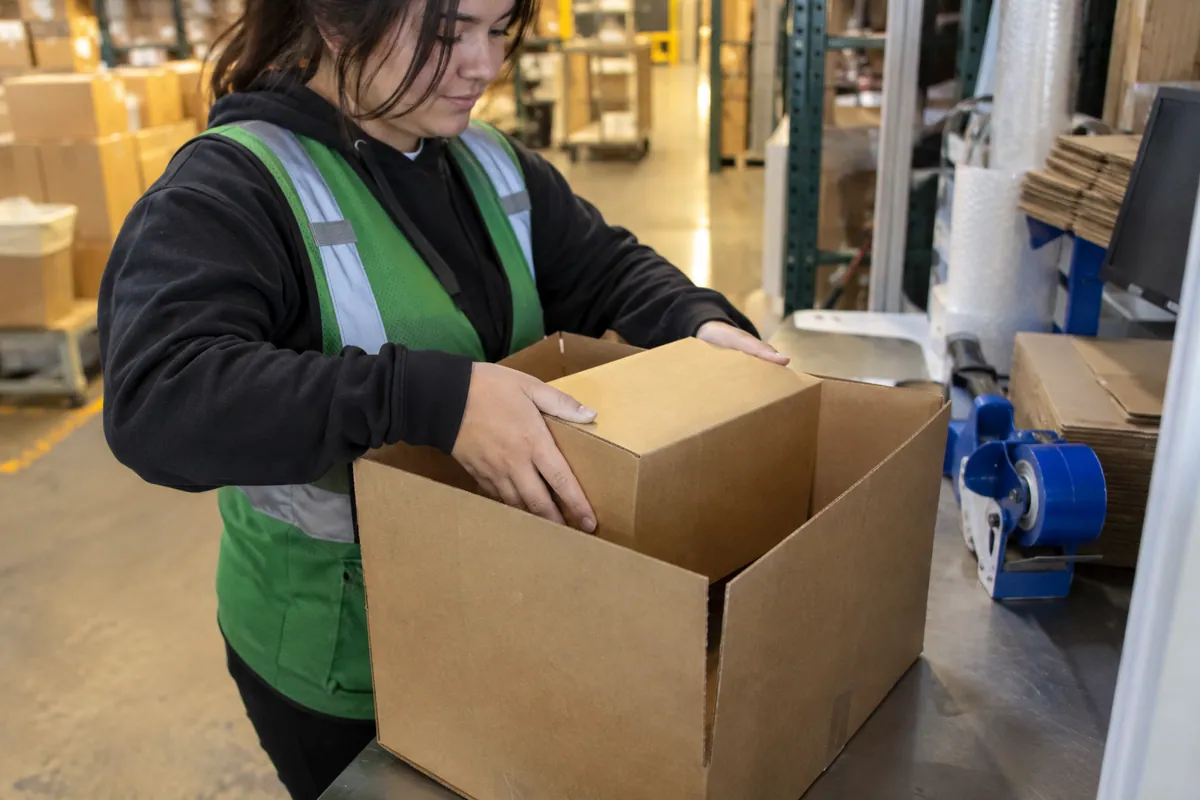
ISTA’s retesting guidance specifically addresses relevant product, package, and process changes, including interior packaging and materials. That does not mean every graphics update needs the same work; it means the project should record the actual change and let the responsible testing provider determine the appropriate evaluation.
How can ANHONG support a clear packaging brief?
ANHONG can discuss packaging localization, samples, and quality-testing scope against the buyer’s route map, configuration, pack-out proposal, and acceptance objective. This does not mean ANHONG has completed a transport test or that any one packaging configuration is qualified for every channel. The test plan, specimens, route assumptions, and acceptance basis remain project-specific.
How should a buyer brief a testing provider?
Provide the actual item list and pack-out revision, not just a retail-box dimension. Explain the intended route, outer packaging, shipment format, known handling transfers, and decision the result is meant to support. State what is unknown as unknown. A provider can then ask for missing context or recommend a scope; a project team should not silently fill gaps with the most demanding-looking procedure name. After evaluation, label the result with the configuration and route it covered so commercial teams do not extend it beyond its evidence.
How can channel changes be managed?
When a marketplace moves from parcel delivery to replenishment or a brand adds a distributor route, update the profile before reusing old results. Compare product mass, accessories, outer shipping arrangement, handling, and test objective. This is not a claim that every change requires a full retest; it is a disciplined trigger for the responsible parties to decide.

What is a useful approval statement?
An approval should name the configuration and route it covers, the evaluation objective, the evidence reviewed, and open limits. “Packaging approved” is too broad when a kit has several accessories or distribution channels. A better statement lets a purchasing team know whether it approved a physical pack-out review, a provider-led evaluation, or a commercial artwork release. This distinction protects the brand from presenting a partial result as an all-channel transport claim.
For a new product, capture the first profile early, before every retail detail is frozen. It gives product, packaging, and logistics teams a shared list of missing assumptions. Update it as decisions become real rather than building a fictional route just to complete a checklist.
Also identify who approves any assumption that cannot yet be verified: the buyer’s logistics owner, the packaging owner, or the selected testing provider. A named owner helps distinguish an open route question from a completed result and prevents a draft distribution profile from being reused as shipment evidence.
Review that ownership whenever the intended distribution channel changes.
What should be retained with the decision?
Keep the distribution profile, selected configuration and revision, pack-out reference, chosen evaluation objective, provider communication, specimens, results where available, and changes made afterward. These records stop a later team from treating a result for one shipment arrangement as proof for another.
Frequently asked questions: how should a profile be selected?
Can a retail-box test represent direct-to-consumer delivery?
Not automatically. Record the actual outer arrangement and route before deciding whether evidence applies.
Is a screening procedure the same as route simulation?
No. ISTA describes them as distinct purposes; select the method with the provider for the stated objective.
What if a channel mix is still undecided?
Document the alternatives and avoid a broad performance claim until the relevant route is selected.
What should change trigger a re-review?
Record changes in product configuration, packaging materials or arrangement, process, channel, and outer shipping concept for the responsible parties to assess.
For a packaging conversation tied to your actual channel route, contact ANHONG.