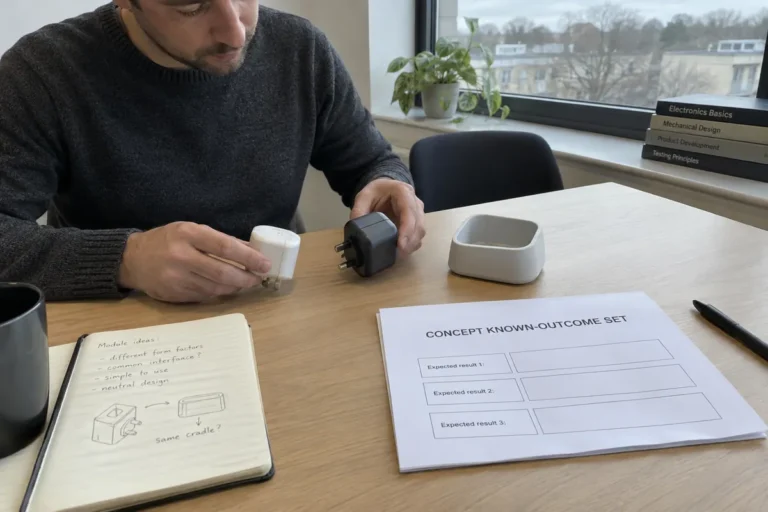
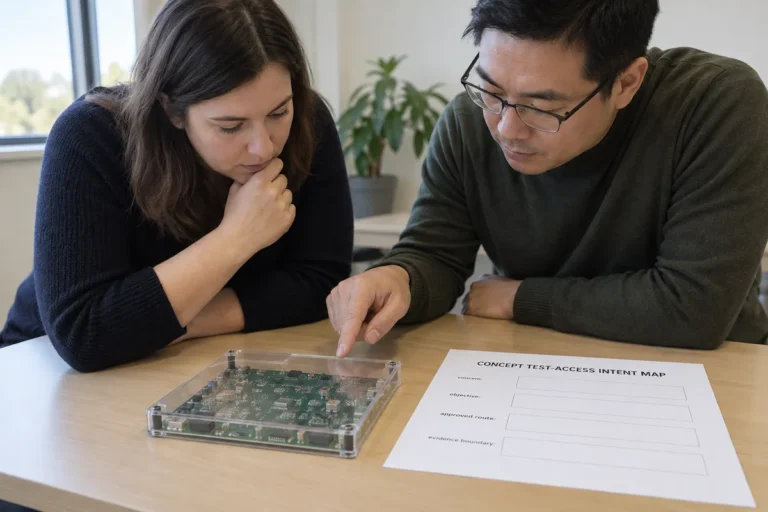
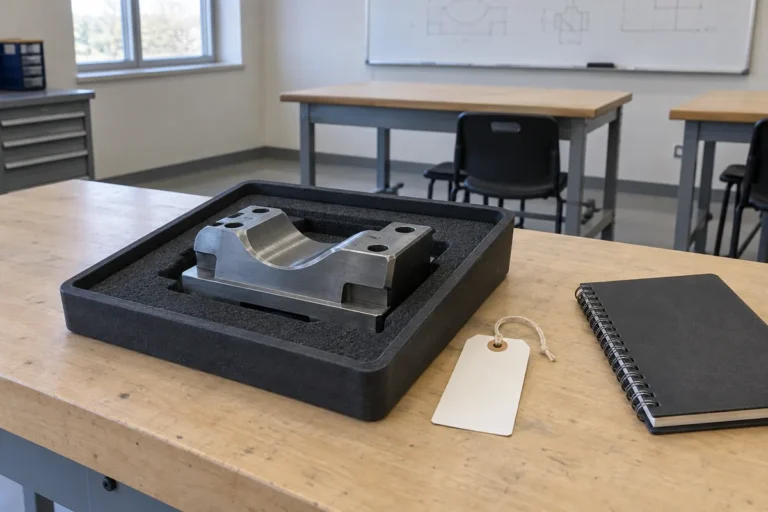
How Should Buyers Review Openings, Meshes and Covers Without Assuming an IP Rating?
Use an evidence-first B2B review for baby monitor openings, meshes, and covers without inferring an IP rating from housing appearance or a sample photograph.
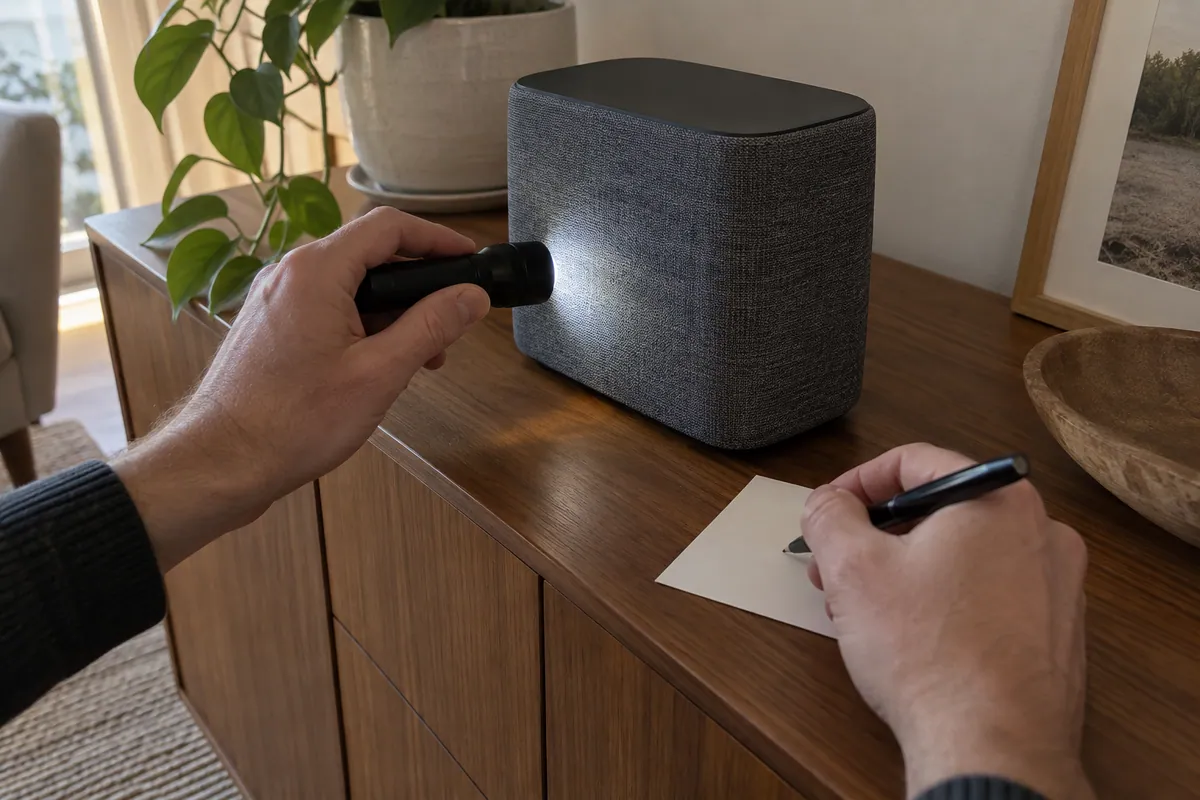
Openings, meshes, and covers should trigger questions about intended use and evidence, not an assumed IP rating. A grille may serve sound, ventilation, assembly, or appearance. Its presence does not tell a buyer what ingress protection was tested, what environment is approved, or how a user should clean the product. Treat the housing as a set of observable details that need configuration-specific documentation.
ANHONG can support product definition, ID and structural design, samples, mass production, and quality testing. A buyer should send the intended environment and channel requirement rather than ask a supplier to turn a visible opening into an unsupported protection claim.
What Should the Review Record?
| Question | Evidence to request | Do not infer |
|---|---|---|
| Where is the opening? | Dated sample view and drawing access where appropriate | An IP classification |
| What user contact is expected? | Intended-use instructions | Cleaning chemistry or waterproof use |
| What does the cover protect? | Confirmed mechanical description | All internal functions |
| What market requirement applies? | Target-market brief and applicable document | A global rule |
The useful output is an environment-and-evidence record. It identifies the product condition, the use scenario, the documentation sought, and any requirement still open. It is not a design teardown or a recommendation to expose electronics to moisture.
How Can a Sample Review Stay Honest?
Inspect the exact selected sample under normal handling. Record visible openings, removable covers if any, labels, and the current instruction wording. Ask whether changes in mesh, adhesive, cable routing, or housing revision require a renewed review. If a protection classification is commercially required, request the applicable model/configuration evidence rather than using a photograph as proof.
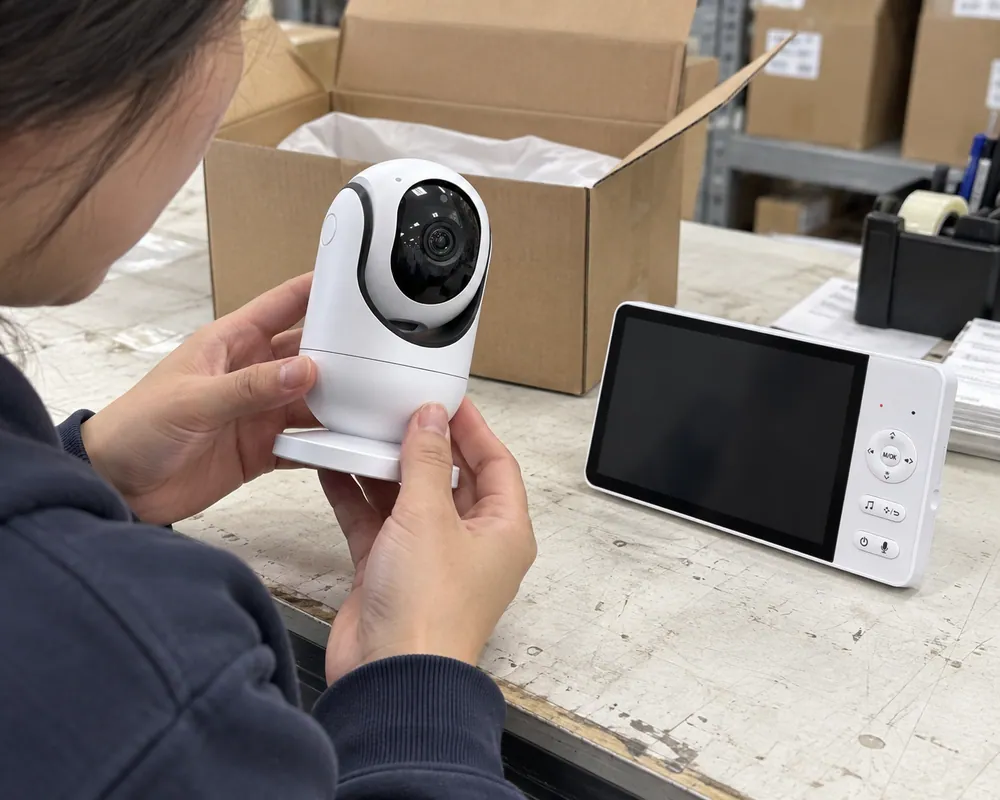
Keep sound questions separate. A mesh near a speaker might influence an audio path, but this article does not diagnose noise or make acoustic claims. Keep cleanability separate too: a surface can look closed while its approved cleaning method remains unknown.
What Makes an Opening Review Useful Without Turning It into a Rating?
Use a location sketch rather than an unsupported rating table. Mark each observed opening or cover on a simple exterior outline, then add three facts: whether it is user-accessible in normal use, what the instruction says about the surrounding area, and what evidence remains to be requested. This makes a housing revision visible to the product team without asking a writer or photograph to infer a technical classification.
The review should identify what it is not assessing. It does not establish resistance to splashes, dust, drops, cleaning fluids, heat, or child contact. It does not establish that a mesh has a filter function. It does not establish performance of an internal acoustic, thermal, or electrical path. Those exclusions stop a brief design discussion from expanding into claims that require separate engineering or conformity evidence.
When a brand has an actual target condition, write it in use language first: where the camera will be placed, who may touch it, and what handling is expected. Then ask the supplier what information can be supplied for the chosen model and market. That gives structural and quality teams an input they can evaluate rather than an undefined request to “make it protected.”
At handoff, keep the marked sample view, selected configuration, requirement statement, document request, and unresolved items together. If an opening location changes later, the team can see why the record must reopen. This is a change-control aid, not a substitute for a product test report.
How Should the Buyer Brief the Supplier?
Specify where the product will be used, which user exposure concerns matter, and whether a named rating or market document is a purchase condition. ANHONG can connect this input to structural-design and sample discussions, while the buyer retains approval of scope and public wording. Product development and quality-control testing provide a useful starting point; send the requirement through contact ANHONG.
What Else Should Buyers Ask?
The purchasing decision can stay conditional without being vague. “Evidence required before launch” is a valid disposition when the target market, actual exposure, or selected hardware has not yet been frozen. It is better than treating an unverified appearance as pass or fail. Once the condition is defined, the buyer can ask for the relevant model record and decide whether it supports the planned positioning.
Keep photographs in their proper role. A photo can show an opening’s location, a cover’s visible fit, or a label’s presence on the observed sample. It cannot prove an internal seal path, a material property, a rating, or an environmental result. Caption the image as an observation and identify the sample revision if it will be retained in a review package.
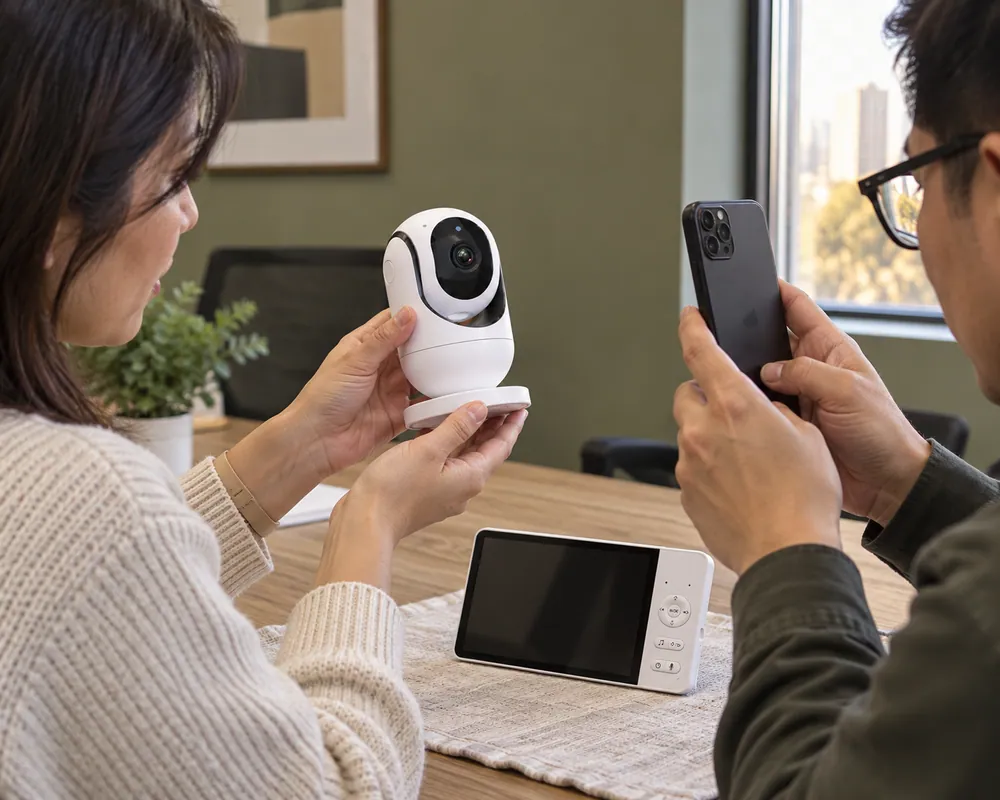
This record helps channel teams. A distributor may need a short answer to an environmental-use question, while product engineering may need a document request and unresolved issue. Both can use the same controlled source record rather than creating incompatible stories about what a mesh or opening means.
The record should also note the decision horizon. A product team may decide it has enough information to continue an early sample review while leaving a market-specific document as an explicit release gate. That is a clearer state than calling an opening acceptable without knowing whether the intended environmental claim will ever be used.
Ask a second reviewer to read the record without seeing the sample. They should be able to identify the opening location, intended-use question, excluded conclusions, and required next evidence. If those points are unclear, the record will not reliably travel from design to packaging or B2B support. The revision is then a documentation improvement, not an implied product defect.
Does a mesh mean the product is dust protected?
No. Ask for applicable evidence for the exact configuration.
Can a cover be described as waterproof?
Not from appearance alone. Use only verified, scoped documentation.
Should a housing revision reopen the review?
Yes, when it changes the opening, cover, material, or intended-use evidence relevant to the requirement.
Is this a cleaning guide?
No. Cleaning methods need their own material and instruction review.