How Should Brands Review the Unpacking Sequence of a Baby Monitor Kit?
Review a baby monitor kit's opening sequence to keep accessories and instructions discoverable, with a practical first-use map for each retail configuration.
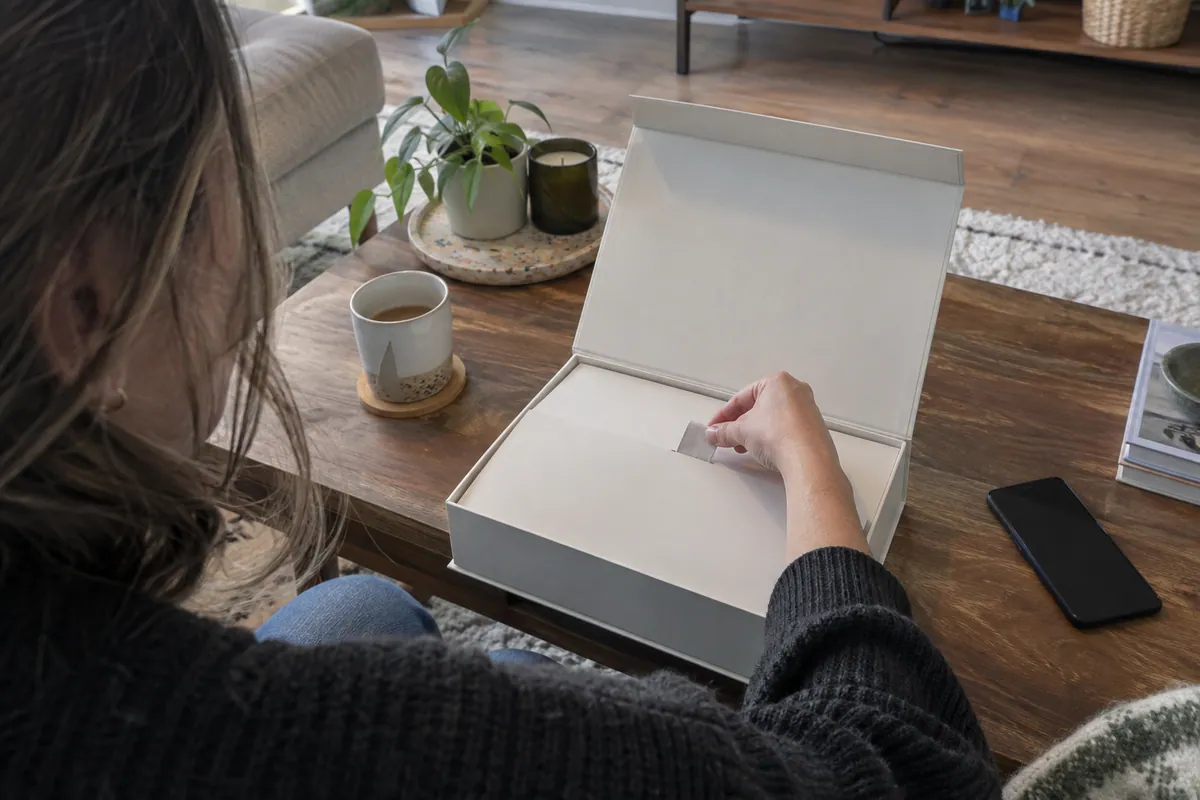
An in-box list can be correct while the first person opening a baby monitor kit still misses a power part, mistakes a camera accessory for disposable packing, or starts setup before finding the right instruction. The issue is not simply whether every item exists. It is whether the configured kit reveals its parts in an order that supports the intended first-use task.
An unpacking-sequence review is not a transport test, carton-identity check, or translation audit. It is a guided observation of how a buyer or end user encounters the supplied configuration after opening the package. This is especially valuable when kits vary by camera count, plug, insert, language, or channel.
What Should the Review Start With?
Freeze the proposed kit identity first: product model, camera quantity, parent unit, power accessories, mounting or optional parts, printed materials, market, and artwork revision. A reviewer cannot judge discoverability when the sample and the contents list refer to different commercial configurations.
Then name the first-use goal. For a local monitor, it might be identifying the parent unit and camera, locating the required power parts, and reaching the approved pairing or viewing step. For a connected configuration, it could include the approved app material only if that is actually supplied and applicable. Do not turn a generic box-opening exercise into an unverified setup claim.
How Can an Unpacking Sequence Map Help?
| Opening moment | What the reviewer does | What should be discoverable | Question to record |
|---|---|---|---|
| Opens the retail carton | Sees the first layer | Primary instruction or clear next cue, if included | Does the first cue match the actual kit? |
| Removes the top component | Identifies the main device | Parent unit or camera identity without guessing | Could it be confused with packing material? |
| Reaches accessories | Locates power and relevant parts | Correct accessory and its relationship to the device | Is a required item separated or obscured? |
| Finds printed material | Starts the intended task | Applicable quick-start or manual reference | Does terminology match the selected configuration? |
| Re-packs the kit | Verifies internal order | Parts fit without forcing or hiding an item | Has the proposed sequence created a new risk? |
The Unpacking Sequence Map is a proposed review tool. It does not certify the package for transport, prove that all users will make the same choices, or confirm a production pack-out.
Why Does Accessory Order Matter?
Power accessories, cables, mounts, adapters, and printed inserts can be technically present yet visually subordinate to a molded tray, protective bag, or divider. If a reviewer must pull apart several layers before knowing what belongs to the first task, the packaging may create avoidable support questions.
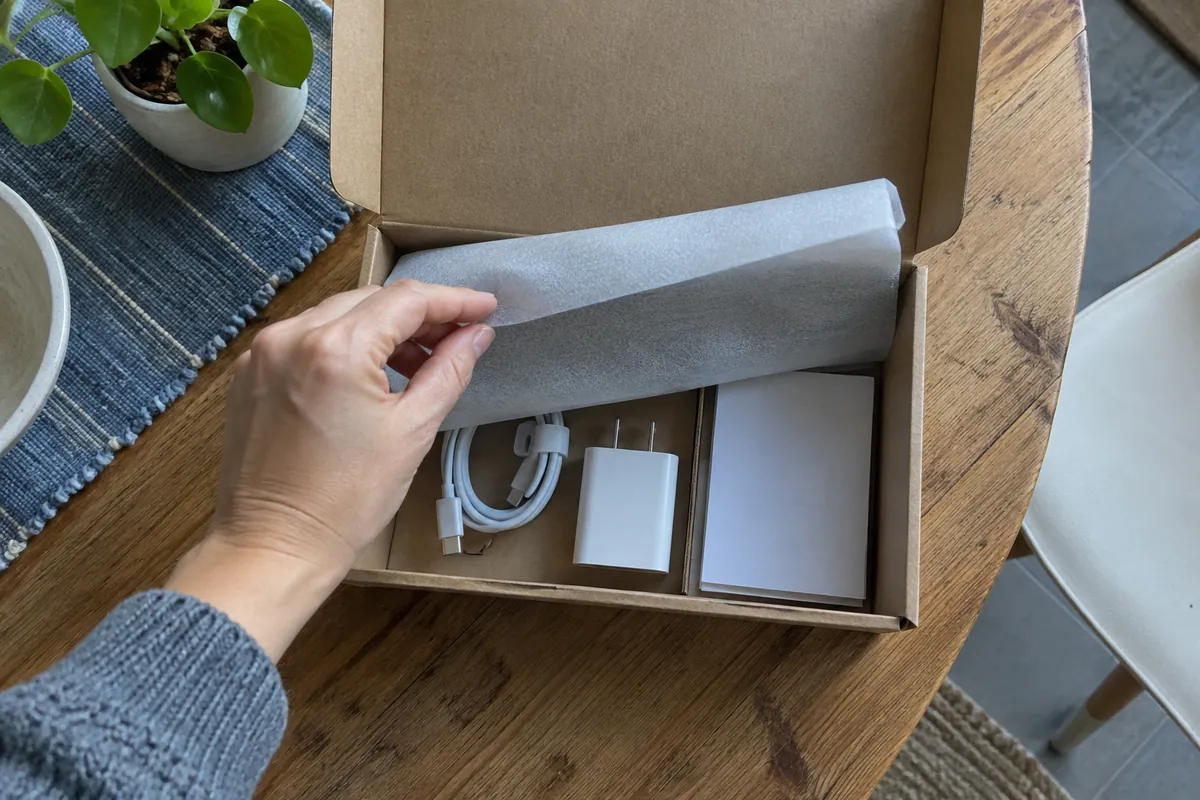
Observe the order without narrating the supplier’s intended answer. Ask the reviewer to say what they believe each item is for. Note whether a device, cable, or insert is mistaken, whether the quick-start appears before or after a required item, and whether the physical arrangement contradicts the carton’s content illustration. A confusing sequence may call for layout, wording, icon, insert, or configuration review; it does not automatically mean the product itself is defective.
ANHONG can discuss packaging localization, sample scope, and product definition around a defined kit. A buyer should bring the selected configuration, target market, current artwork, and first-use goal. That is a project-scoping contribution, not a claim that every ANHONG kit uses a particular tray or opening order.
How Should a Team Run the Observation?
Use a proposed sample and the actual candidate artwork. Give the reviewer the carton without a verbal walk-through. Record the order in which items are seen, removed, identified, and used; capture questions rather than coaching them away. Then repeat the task with the approved instructions available at the point where the customer would find them.
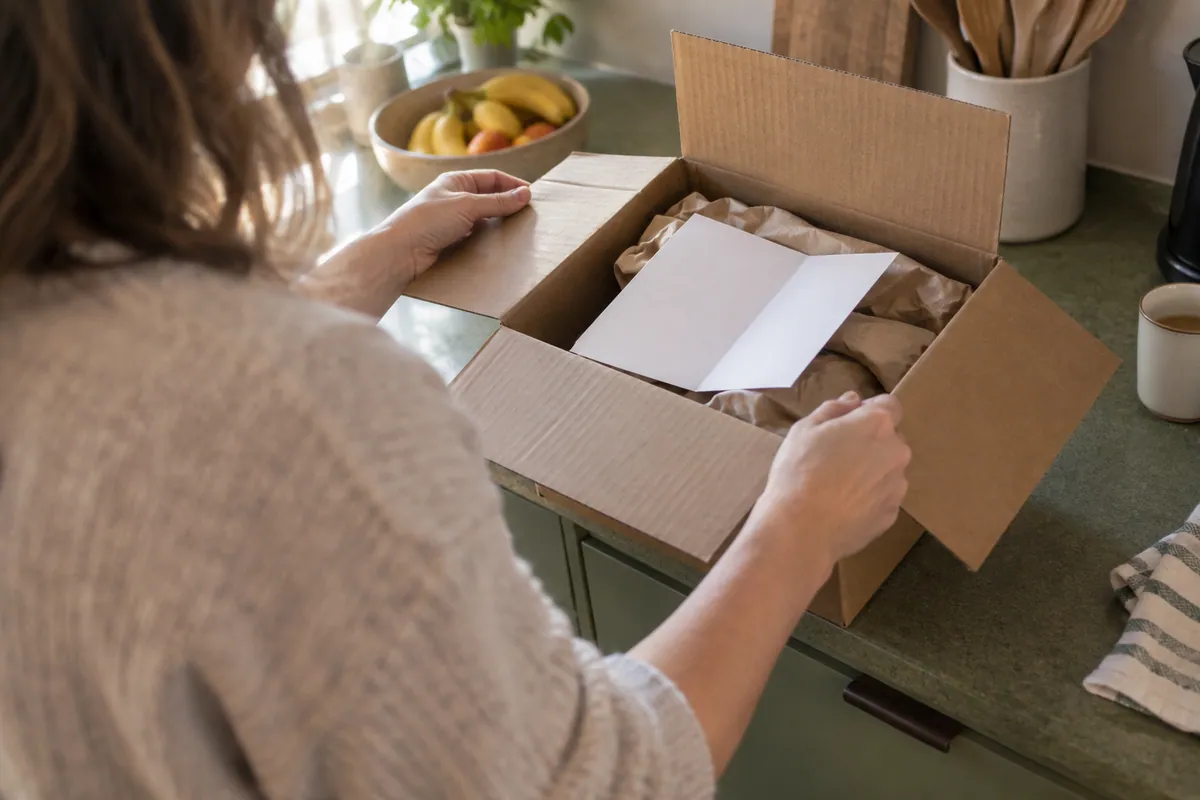
Compare the observation with the in-box list and the first-use material. If a kit has multiple market variants, repeat only for configurations whose internal arrangement or materials differ. Do not claim that a review of a two-camera bundle covers a one-camera bundle with a different insert simply because both share a product family name.
The sample, MOQ, and lead-time page provides project context; the review itself requires the actual sample and pack-out reference.
What Should Be Kept Separate From This Review?
Keep physical discoverability separate from transport resilience. A well-ordered kit may still need a route-specific packaging evaluation. Keep discoverability separate from customer wording consistency too: the sequence review can reveal a confusing name, but controlled terminology across the carton, manual, and UI requires its own artifact-alignment review.
Similarly, do not use the map as a substitute for a final contents verification. The map asks how an item is encountered. A contents record confirms which parts and revisions are actually present. Both should name the configuration and version.
For a route-specific question, see ANHONG’s quality-control and testing overview; keep the evidence label narrow.
How Should Findings Become a Release Decision?
Classify each finding: no action, artwork/instruction clarification, internal-layout adjustment, accessory identification change, or configuration question. Name the owner and the affected artifact. If a change alters internal packing, preserve the before-and-after arrangement and decide whether a different kit or transport evidence needs re-review.
Retain the kit identity, artwork revision, sample reference, opening sequence, observations, decision, and any revised material. This turns a subjective “the box feels clear” comment into a traceable decision. It also helps channel teams avoid promising an accessory or setup path that was not part of the reviewed kit.
What Do Buyers Commonly Ask About Unpacking?
Does a contents list prove the opening experience is clear?
No. It confirms a stated list, while an unpacking observation checks whether the items and first-use cue are discoverable in sequence.
Should a protective bag always be removed from the layout?
No. Review its role and the actual customer task. The question is whether it obscures or confuses a required item, not whether packaging must look minimal.
Can one unpacking review cover all markets?
Only if the kit, internal order, accessories, and customer materials are genuinely the same. Record differences rather than assuming family-level coverage.
What should a buyer send to ANHONG?
Send the selected kit, market, artwork revision, proposed pack-out, first-use task, and known variants. Contact ANHONG to set a review scope.