How Should Brands Set Cosmetic Acceptance Boundaries for Baby Monitor Housings?
Set clear cosmetic acceptance boundaries for baby monitor housings with visible-area priorities, boundary samples and practical review conditions.

Brands should set cosmetic acceptance boundaries before mass production by defining what a reviewer will see, under which viewing conditions, and which visible differences require a decision. A housing can be structurally functional yet create disagreement because one reviewer sees a color variation, parting line, mark, or surface mismatch that another reviewer considers normal. A written boundary replaces an argument based on memory.
This is not a claim that every surface difference is a defect, nor is it a promise of a particular production yield. It is a buyer method for making the appearance standard understandable before samples and production units are compared.
ANHONG is a B2B baby monitor manufacturer that supports product definition, ID and structural design, samples, mass production, and quality testing. Those capabilities matter here because the intended visual finish, the available reference sample, and the buyer’s acceptance decision need to connect before a housing is treated as ready for launch.
Why Should Cosmetic Boundaries Be Defined Before a Dispute?
Words such as “clean,” “premium,” and “consistent” are not inspection criteria. They describe an ambition but do not tell a reviewer where to look, how long to look, or what comparison reference to use.
A useful boundary starts with the customer-facing view. Which surfaces will be visible on a retail shelf, during ordinary setup, or while a caregiver holds the parent unit? Which areas are generally hidden by an accessory, stand, label, or normal placement? The answer changes the review priority without pretending that hidden surfaces never matter.
The buyer should also distinguish a reference sample from an aspirational rendering. A render can establish design intent. A physical approved sample is more useful for discussing real color, texture, joins, and visible transitions. If no physical reference is approved, record that as an open item rather than letting a digital image become a substitute for an agreed boundary sample.
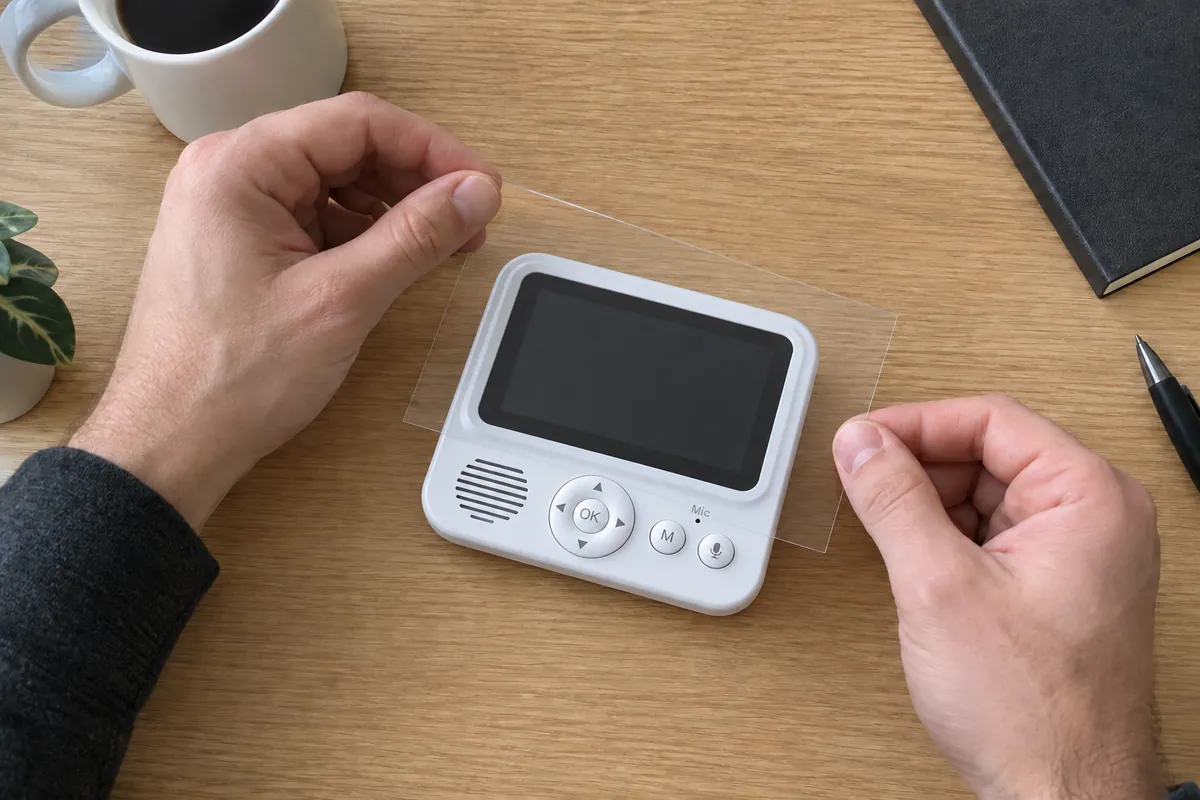
What Should an Appearance Boundary Sheet Include?
The following proposed sheet turns a broad style request into reviewable inputs. It is an editorial tool, not an ANHONG inspection record.
| Area | Normal user view | Reference to compare | Observation condition | Decision boundary | Owner |
|---|---|---|---|---|---|
| Front housing | Face-on while using the device | Approved physical sample or signed boundary sample | Agreed indoor light and normal handling distance | Define which visible mark or mismatch needs escalation | Brand owner |
| Side seam | Side view during setup | Same reference | Agreed angle and distance | Define acceptable visual continuity or request a decision | Product owner |
| Rear or underside | Seen during installation or charging | Approved sample where available | Practical handling view | Record whether this area is customer-visible in the selected use case | Quality or project owner |
| Accessory-facing area | Seen with the intended stand or mount | Approved combination sample | Installed configuration | Confirm whether fit changes the visible line | Buyer and supplier |
Do not use a boundary sheet to hide a concern. Use it to make the concern specific. “The front seam is too visible” becomes a discussion of the exact surface, viewing condition, comparison reference, and decision owner. That makes a later sample review faster and gives packaging, customer-support, and product teams a shared vocabulary.
Which Viewing Conditions Should Be Agreed?
Agree a practical condition that resembles how the product will normally be seen. This may include a stated lighting context, ordinary handling distance, the primary face of the product, and whether the device is viewed alone or with its intended accessory. There is no need to invent a universal lux value or material-performance claim when neither is part of the project evidence.
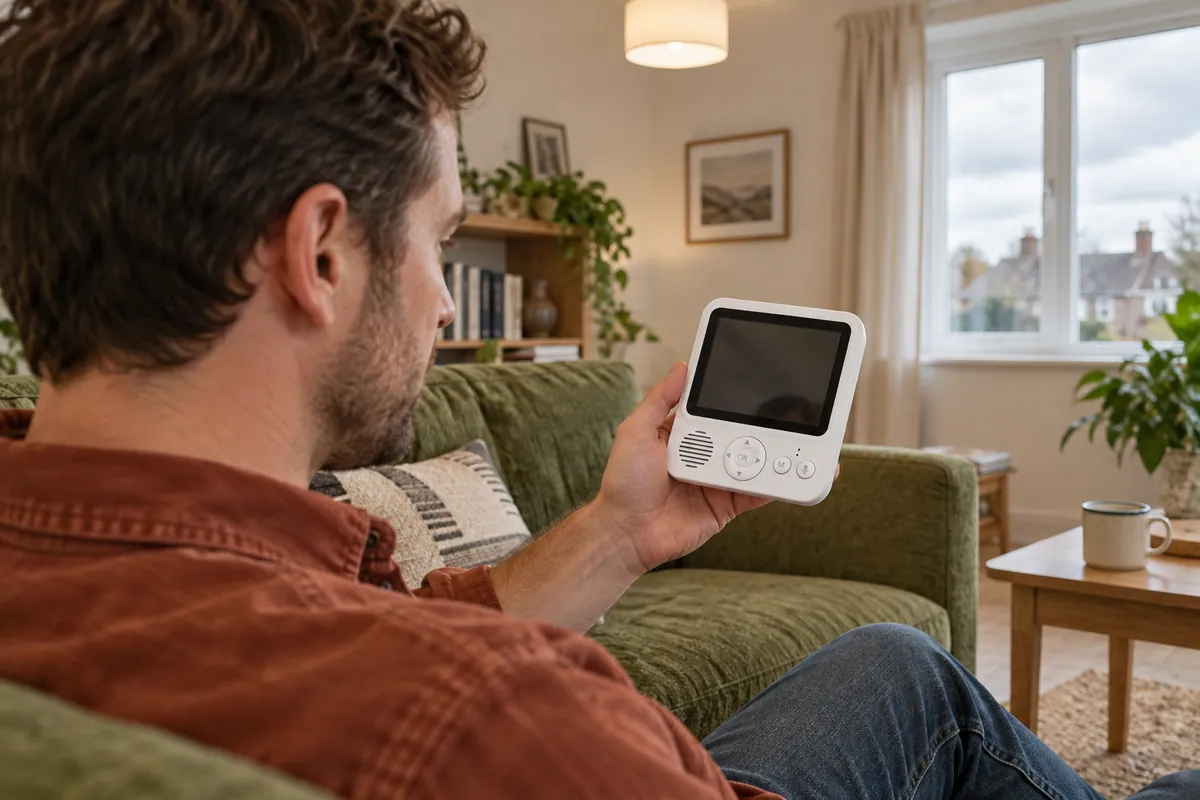
The point is consistency. If one reviewer uses close scrutiny under a bright desk lamp and another uses normal room light from an arm’s length away, they may honestly reach different conclusions. The boundary sheet should say which observation is the approval basis and which observation is used only to flag an item for discussion.
For a baby-monitor range, ANHONG can discuss visual requirements during product definition and ID or structural-design work. We would recommend that a brand identify the product faces most visible to its sales channel before choosing a cosmetic priority. A retailer’s shelf-facing requirement, an online product-photo requirement, and a distributor’s installed-use requirement may focus attention on different surfaces.
How Should a Brand Use Boundary Samples?
A boundary sample should have a narrow purpose: it shows the accepted visual direction for a named area under agreed conditions. It should be labeled with the product configuration, revision, date, and approval status. If it represents a color or surface treatment that is still under review, it should be labeled as pending rather than treated as a final master.
Keep three categories separate:
- Approved reference: the sample that the buyer has accepted for the stated area and condition.
- Boundary example: an item retained to show a visual limit requiring an agreed decision.
- Open observation: a sample or photo that raises a question but has no approved conclusion.
This separation is useful when a later discussion involves a revised housing or accessory. It prevents a temporary sample from becoming a silent standard. ANHONG supports samples, MOQ and lead-time discussions alongside mass production, so we can help a buyer identify where a housing revision needs a new visual comparison; the buyer should retain final approval authority over the product presentation.
When Should a Difference Trigger Escalation?
Escalate when the observed difference falls inside a customer-facing area, changes the agreed visual direction, appears in a new revision, affects the look of an approved accessory combination, or cannot be judged against an existing reference. The first action is not necessarily rejection. It may be a comparison review, a request for a revised sample, or a decision to update the approved boundary.
Record the item with a clear photo, the product revision, the relevant view, and the agreed observation condition. Avoid broad labels such as “bad appearance.” They make it difficult for a design, sample, or quality discussion to reach a precise next action.
This approach differs from a general factory-record audit. The question here is not whether a supplier can present a quality document. The question is what this brand considers visually acceptable on this product, in the view its customer will actually see. For the separate evidence and record discussion, see quality control and testing.
How Can Cosmetic Decisions Support a Cleaner Launch?
Clear cosmetic boundaries help the brand use accurate product images, reduce internal debate over visible samples, and keep packaging or user-material visuals aligned with the chosen product presentation. They also help a team distinguish a necessary change from an ordinary appearance variation that has already been considered.
ANHONG offers packaging localization and B2B after-sales coordination in addition to product and production services. Once a visual direction is approved, those adjacent discussions can stay aligned with the same selected configuration rather than relying on a generic product image.
If you are preparing a baby monitor housing for sample approval or production, contact ANHONG with your target market, product configuration, and the customer-facing surfaces that matter most. We can discuss an appropriate sample and product-definition scope.
What Do Brands Ask About Cosmetic Acceptance?
What if two approved references appear to disagree?
Pause the comparison and identify the configuration, revision, approval date, and viewing condition for each reference. Until an owner resolves the conflict, label the affected appearance requirement as open rather than selecting the more convenient example.
Can product photographs control color across every screen?
No. A photograph can communicate composition or a visual discussion point, but it should not be treated as a universal color-control reference. State what the image is allowed to support and retain the agreed physical reference or pending status separately.
How should a brand write a requirement when no sample is approved?
Describe it as a provisional target: name the visible area, expected visual direction, observation condition, decision owner, and evidence still required. Do not call the requirement an approved production boundary before that evidence exists.
Can a packaging image settle a housing-appearance dispute?
Not by itself. It may reveal what a customer-facing asset depicts, but the housing decision still needs the named configuration, review condition, and applicable reference or open-item record.


