What Quality Tests and Records Should Buyers Request from a Baby Monitor Factory?
Review baby monitor factory quality evidence. Match checks to the ordered configuration, inspect failure records and agree shipment acceptance criteria.

A baby monitor factory quality review should connect the offered configuration to the checks performed on it, the results retained and the decision to release the shipment. A tour can show equipment and activity. The records explain what was checked and what happened when something failed.
I would ask to follow one sample record from identity through result and disposition. That is a more useful starting point than asking for the longest possible list of test names.
This guide proposes a buyer’s evidence checklist. It does not claim that ANHONG performs every test below on every unit, or that an illustrative factory scene documents an actual facility.
What Should a Baby Monitor Factory Quality Review Distinguish?
Separate design validation, routine production checks and shipment acceptance. They answer different questions. A design-level endurance study does not mean the same endurance procedure is repeated on every shipped unit, and a short end-of-line functional check does not replace design validation.
Ask which stage each record belongs to, which product version it covers and how samples are selected. Keep the approved specification and reference sample traceable to the order. If a supplier uses a retained reference unit, identify who approved it and how changes are controlled.
ISO describes ISO 9001 as a quality-management-system standard. A system certificate can inform a supplier review, but it is not the result of a particular baby monitor test. Check the certificate’s entity, site, scope, edition and validity separately from the model-specific records.
Which Functional Checks Should Match the Product Brief?
Build the functional list from the ordered features. Camera-to-parent pairing, displayed video, received audio, controls, charging behavior and relevant alerts may belong in the agreed scope. Add app onboarding, storage, additional cameras or other functions only when they are actually part of the ordered configuration.
For each check, ask what the operator or fixture observes, what limit is applied and where the result is retained. “Audio checked” is less informative than a procedure that identifies the sound source, setup, expected output and failure decision.
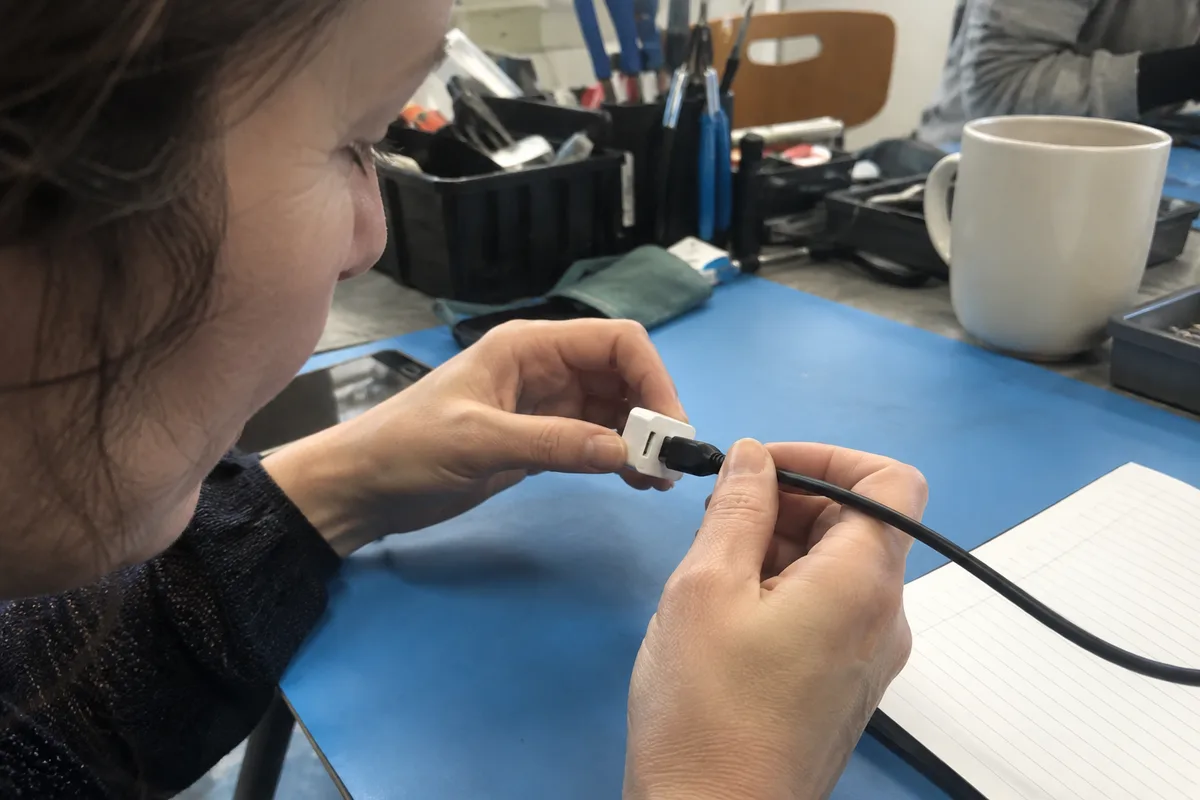
If a test is automated, ask how the fixture distinguishes a failed connection from a failed product and how retests are recorded. If it is manual, ask how operators interpret borderline cases consistently. The review should focus on the decision rule rather than assuming one method is always superior.
How Should Buyers Read Reliability and Environmental Records?
Request the method, sample count, product state, exposure conditions, duration, acceptance criteria and before/after results. Identify whether the sample was powered, charging, operating or packed during the procedure.
Those details matter because similarly named tests can describe different work. A packaged transport exercise and an unpackaged product handling check should not share one unqualified “drop test passed” entry. Likewise, a chamber photograph does not establish the conditions or result of a temperature test.
Ask the supplier to identify applicable external methods where used and project-specific procedures where those are used instead. Do not assign a standard number from a test’s informal name. Keep a proposed method distinct from an executed report.
What Should Happen to Failed and Retested Units?
Follow a failure from detection to disposition. Request the original result, diagnosis, repair or rejection decision, retest result and authorization to release or quarantine the unit. Preserve the first failure rather than recording only the successful retest.
For a recurring issue, ask how the affected lot or configuration is identified and what evidence supports the corrective action. A changed instruction should have a revision; a changed component should connect to an approved configuration and any required repeat checks.
If a buyer is shown a yield percentage, request its period, denominator, treatment of rework and process stage. Without those definitions, two attractive percentages may not describe the same thing. This article does not propose a universal acceptable yield or reject rate.
What Should the Quality Evidence Worksheet Include?
| Area | Evidence to request | Question to resolve |
|---|---|---|
| Configuration | Approved specification, sample and revision | What exactly is being accepted? |
| Incoming items | Relevant component checks and lot traceability | How are substitutions controlled? |
| Functional checks | Method, limits, fixture/operator and results | Which ordered functions are verified? |
| Reliability | Samples, conditions, duration, criteria and results | What was actually demonstrated? |
| Measurement | Equipment identity and calibration/verification records | Is the measurement basis traceable? |
| Failures | Original result, disposition, rework and retest | Are failed units and repeat defects controlled? |
| Shipment | Sampling plan, pack-out review and release sign-off | What supports this lot’s release? |
| Changes | Revision, approval and repeat-validation decision | Does old evidence still cover new production? |
The worksheet is a procurement tool, not a claim that all listed checks are required on every unit. Agree sampling, acceptance limits and record retention in the quality arrangement for the project.
What Else Do Buyers Ask About Factory Quality Evidence?
Does a long test list prove better quality?
Only when the tests address the ordered product and have usable methods, limits and records. Relevance and traceability matter more than list length.
Can a supplier provide anonymized records?
Yes, provided the anonymization preserves the version, method, results and traceability needed for review. Do not request another customer’s confidential commercial information.
Should sampling and full-unit checks be mixed in one claim?
Identify them separately. State what is checked on each unit and what is evaluated on selected samples, with the selection and acceptance rules.
What if the production firmware changes after sample approval?
Request change control and a documented decision about which functional and other checks must be repeated before release.
What Should You Send ANHONG Before a Quality Review?
Share the ordered functions, target-market requirements, critical acceptance items and requested record format. Identify the distinction between your design review, routine production expectations and shipment inspection.
ANHONG can discuss quality testing and B2B project coordination. A productive baby monitor factory quality review ends with an agreed evidence trail for the actual configuration, not assumptions based on equipment photographs.
Review ANHONG’s quality-control and testing overview as background, then confirm the scope for your order.


