How Should Buyers Evaluate Dual-Mode Baby Monitor Cost Optimization?
Evaluate baby monitor dual mode cost optimization through a matched feature brief, itemized project costs and validation of local and app operation.
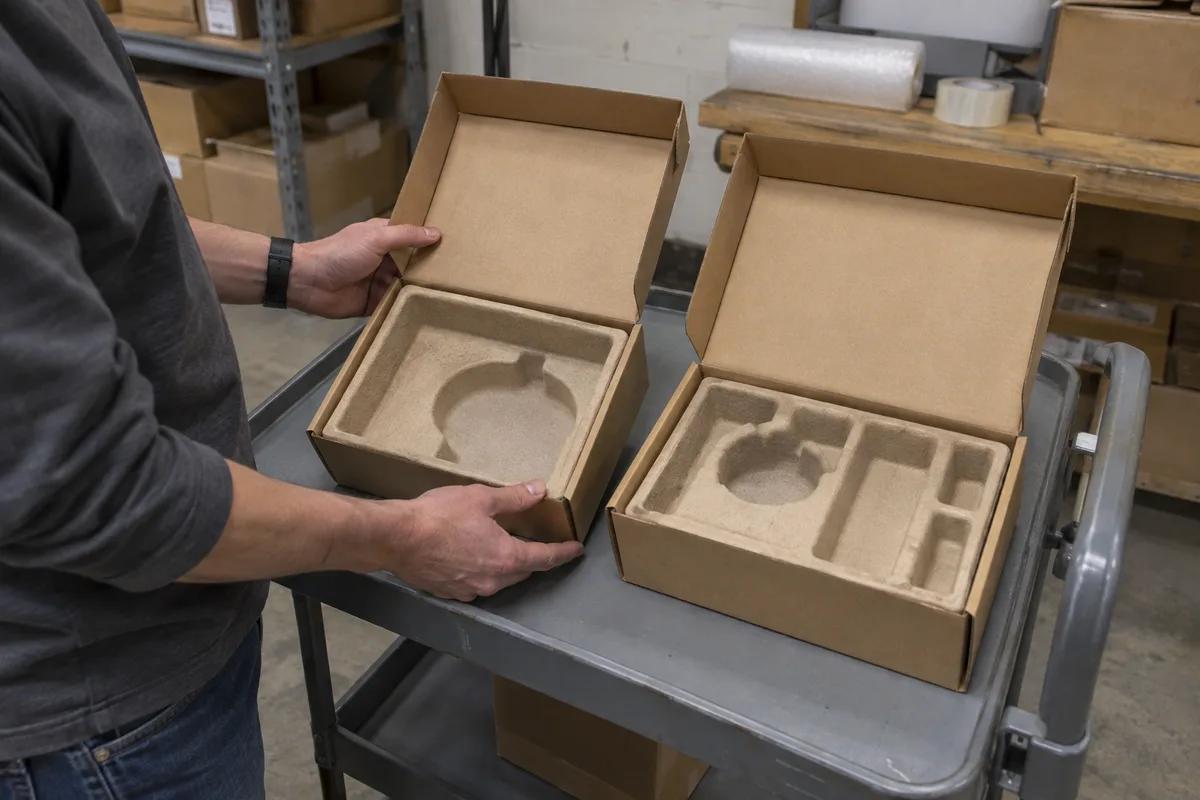
Two quotations can both say “local monitor plus app” and still describe different products. Camera count, display, app services, recording, packaging and development scope can all change what the buyer receives.
I would not begin by asking why one supplier has fewer chips or a lower headline price. First make the quotations comparable. Cost optimization becomes useful when the team can explain what changed, what stayed in scope and how the revised design was validated.
What Must a Dual-Mode Brief Define?
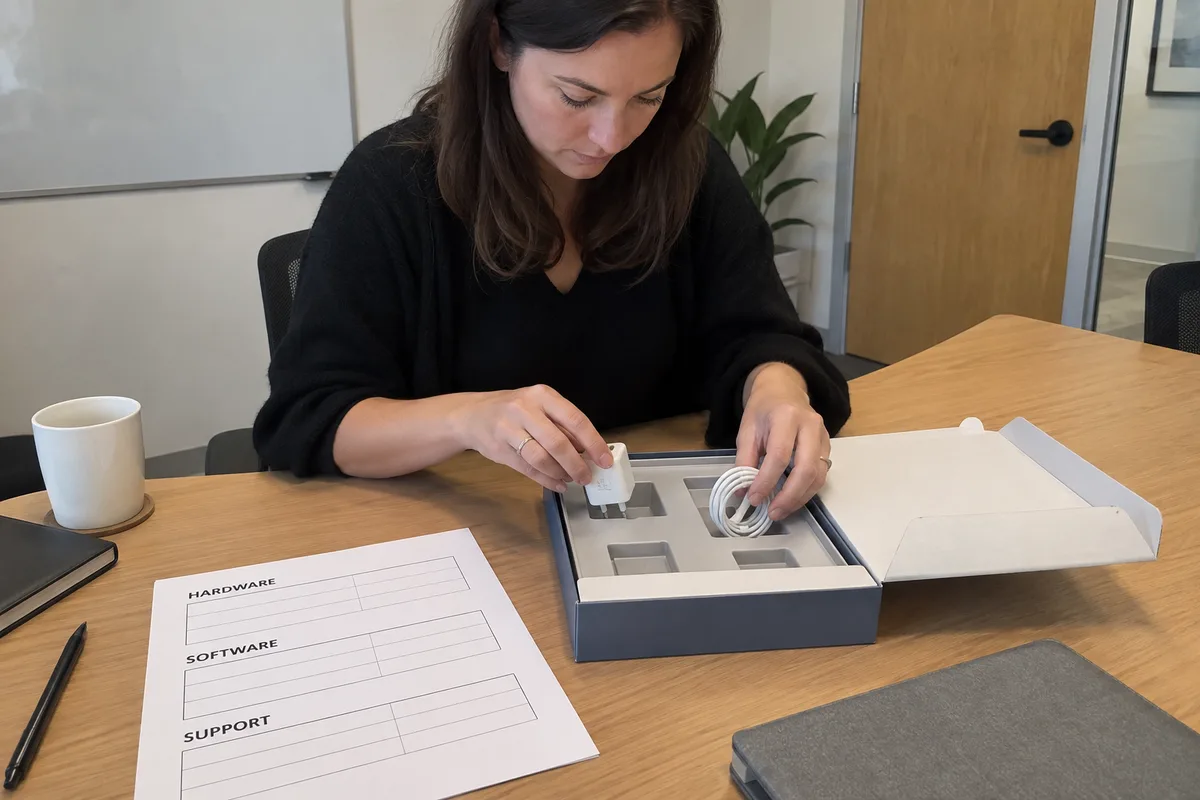
Specify the local viewing workflow and app workflow separately. Ask whether simultaneous use is supported, what needs the home network or internet, and which functions remain available when a required service is unavailable.
| Requirement | Detail to freeze before comparing quotations |
|---|---|
| Local operation | Parent unit, camera count and supported modes. |
| App operation | Account, supported functions and service dependencies. |
| Recording | Location, retrieval route and storage options if included. |
| Customization | Hardware, firmware, UI, packaging and localization scope. |
| Market | Required model-specific documentation and testing scope. |
| Support | Updates, service commitments and after-sales responsibilities. |
Do not describe local operation as automatically private, always available or interruption-free. Those statements require more than an architectural label. Match public wording to the supported and verified configuration.
Where Can Design Optimization Be Investigated?
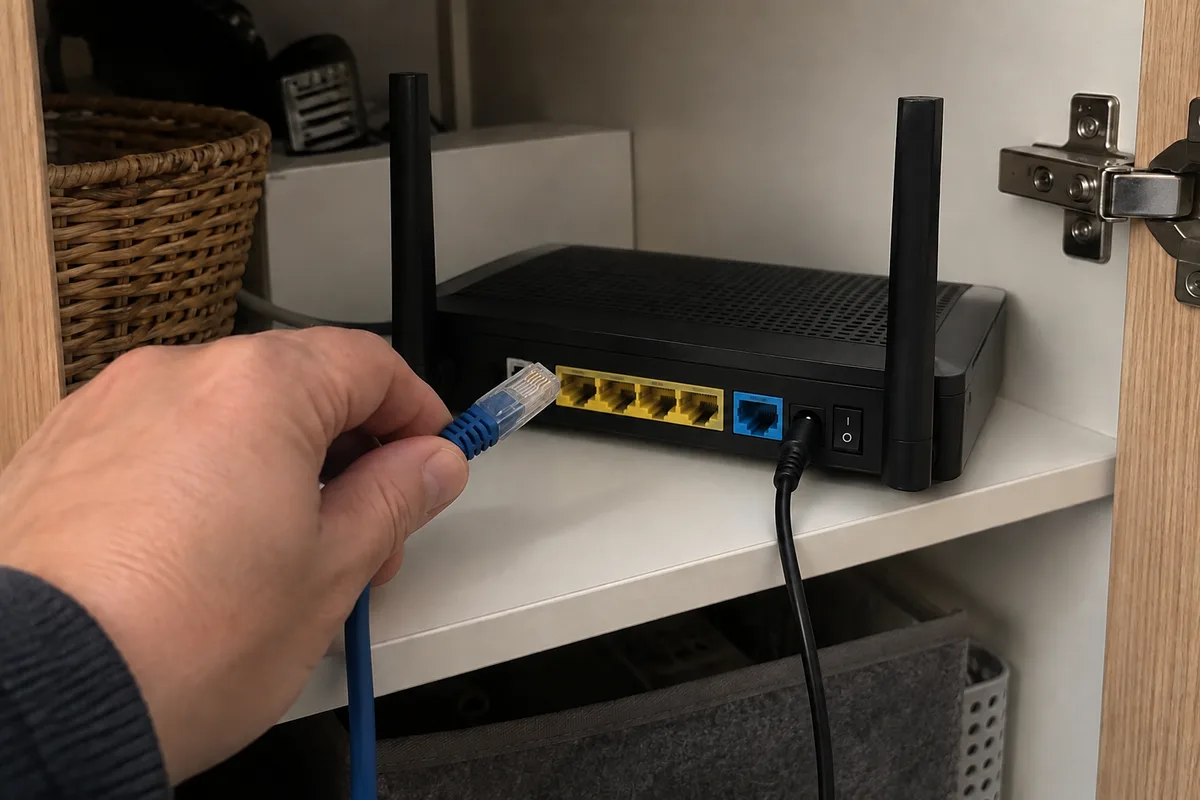
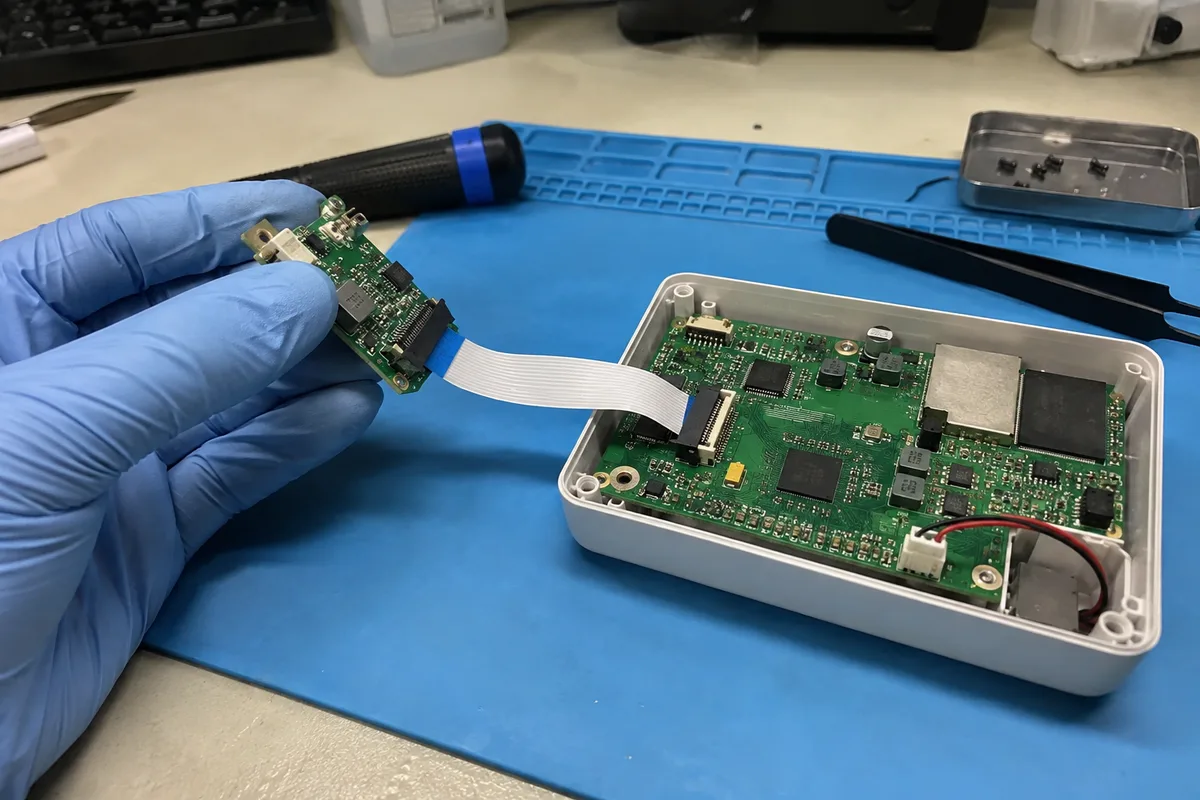
Possible areas include component integration, memory requirements, board layout, power design, assembly and the offered feature set. These are review topics, not guaranteed savings. An integrated platform and a modular platform can each have valid reasons behind them.
Ask the supplier to identify the proposed change and its consequences. Removing a component may reduce one cost while changing development effort, serviceability, supply options or validation work. Fewer parts do not automatically establish higher reliability.
Likewise, a lower PCB layer count or shared-memory approach should not be treated as a universal improvement. The proposed implementation must still meet the project’s signal, thermal, functional and manufacturing requirements. Ask for evidence for the actual design rather than transferring a generic savings percentage into the quotation.
Which Costs Sit Outside the Unit Price?
Separate recurring product cost from one-time development and ongoing service costs. Depending on the project, the comparison may include tooling, firmware or App/UI work, testing, packaging localization, cloud services, update support and spare-unit coordination.
Request quotation validity, quantity assumptions and what happens when a specified component becomes unavailable. Avoid using broad market-price claims as evidence for a particular product’s price. A current quotation and its assumptions are the relevant commercial inputs.
For an existing platform, clarify which options are already supported and which require development. A planned function should not appear in the sales specification as if it were demonstrated in the supplied sample.
What Needs Revalidation After a Cost Change?
Does the agreed workflow still work?
Repeat local viewing, app access and simultaneous operation where promised. Include reconnection, restart and the documented behavior when internet access is unavailable. Verify the user-visible result rather than assuming that the architecture preserves it.
Have video, audio and runtime conditions changed?
Use the same sample procedures before and after the proposed change. Identify firmware and hardware revisions and keep the results with the approved configuration. Do not compare different modes and call the difference a design improvement.
Which market documents still apply?
Ask the supplier to review the exact model, configuration and target market. Changes to hardware or radio configuration may need a documentation or testing review. A company-level factory-system document does not prove product-specific compliance.
What does production acceptance cover?
Agree checks for the functions that will be sold, including the local and app workflows as applicable. Record test coverage, handling of failures and the process for later component substitutions. Keep unsupported savings or reliability claims out of the public article.
What Else Do Buyers Ask About Dual-Mode Costs?
Should dual-mode cost the same as local-only?
There is no universal price relationship. Compare a current quotation for a matched configuration, quantity and service scope.
Does one integrated chip prove a better product?
No. The full implementation, supply strategy and validation evidence matter. A chip-count comparison alone is not an acceptance test.
Can a lower quotation hide a smaller scope?
Yes. Confirm camera count, software functions, packaging, development and ongoing services before treating two prices as equivalent offers.
Are cloud and app costs always included?
Do not assume so. Ask which services are included, how they are charged and who supports them over the agreed product period.
What is a credible optimization proposal?
A defined change, a comparable cost basis, clear trade-offs and validation against the frozen requirements. It does not need an unsupported industry-wide savings claim.
For baby monitor dual mode cost optimization, start with a clear product and service brief. ANHONG supports standard sourcing, Private Label, OEM and ODM discussions, including hardware, firmware and App/UI requirements. Share your target configuration and market so the quotation and sample acceptance scope can be aligned.


