What Cloud-Service Responsibilities Should a Baby Monitor Brand Define Before Launch?
Define cloud-service account, support, notice, change, export, and exit responsibilities across selected markets, product configurations, and launch teams.
A connected baby monitor is not ready for launch when the camera connects in a demo. It is ready for a commercial decision only when the brand can explain who owns the customer promise after the sale: account access, service notices, support intake, data-export requests, subscription changes if offered, and a path out if the service changes or ends.
This is not a generic cybersecurity checklist. Security controls matter, but a secure technical control does not tell a distributor which team answers a customer whose account is locked, or who must approve a new retention message. Before launch, a brand needs a service-responsibility map that joins those operating questions to the exact proposed product and market.
Why Is a Feature List Not a Service Operating Model?
“App control,” “cloud access,” or “remote viewing” can describe a feature without identifying the service behind it. A buyer still needs to know whether the brand, platform operator, app publisher, support partner, or another approved party handles each customer-facing event. The answer may differ by target market, account design, subscription model, and product configuration.
NIST describes patch management as identifying, prioritizing, acquiring, installing, and verifying updates. That is a reminder that an update is an operating process, not a file. It does not identify a responsible party for an ANHONG platform.
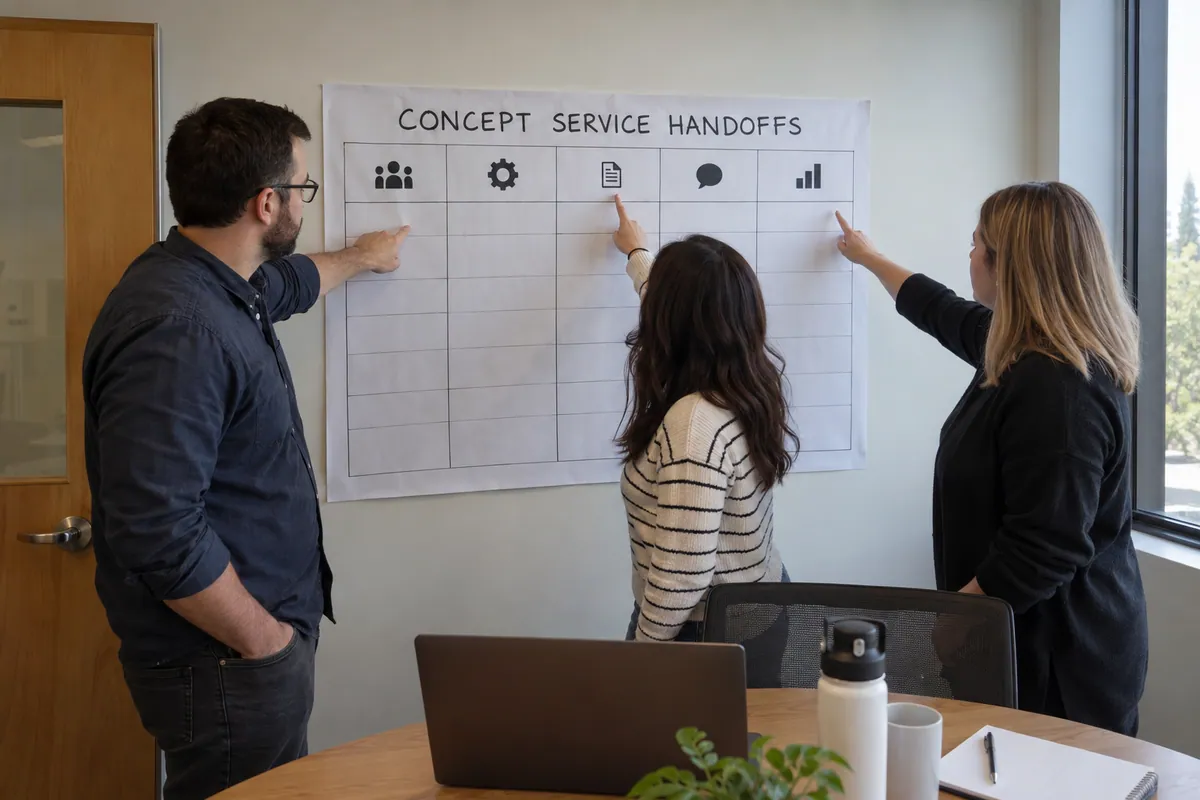
Treat the cloud service as a set of explicit handoffs. If no party can own a handoff, it is an unresolved launch item—not something the marketing team should cover with a broad “smart cloud” phrase.
What Should the Cloud-Service Responsibility Map Contain?
The map below is a proposed working tool. It assigns questions, not legal conclusions. Fill it with named organizations and project contacts only after the selected arrangement is known.
| Service moment | Decision the brand must define | Possible operating owner to name | Evidence or record to retain |
|---|---|---|---|
| Account creation | Who publishes the terms, eligibility, and account journey? | Brand / approved app or service operator | Approved flow, public wording, version, market scope |
| Everyday service health | Who observes an outage and decides whether customers are notified? | Service operator / brand operations | Escalation route, notice owner, decision log |
| Customer support | Who receives a pairing, account, payment, or viewing complaint? | Brand support / delegated support | Intake categories, handoff rules, customer language |
| Data request or account closure | Who accepts the request and who performs the approved action? | Brand privacy owner / service operator | Request route, identity check, action record |
| Subscription or service change | Who approves the promise, price, renewal, or cancellation wording? | Brand commercial owner | Approved customer terms and communication plan |
| Service exit or migration | What happens to access, retained records, and customer notice? | Brand owner with technical operator | Exit plan, decision triggers, support script |
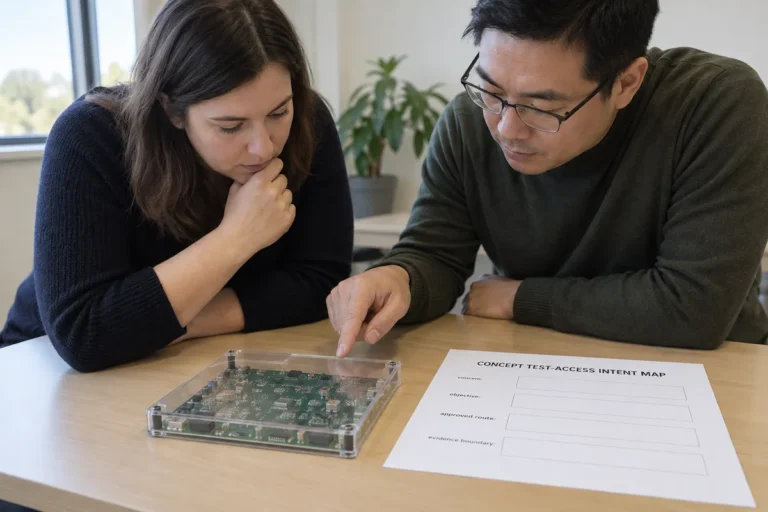
The blank cells reveal decisions that cannot safely be guessed in a quotation, app-store description, or FAQ. They also keep “cloud responsibility” distinct from a technical security assessment.
How Should a Brand Divide Its Own Duties From a Platform Operator’s Duties?
The brand should own the promise it makes to customers: product positioning, approved customer wording, channel commitments, and the decision to launch or materially change the offer. It should also name the person who can approve a customer-facing notice when an operating event affects that promise.
The platform or service operator may own defined technical operations, but that should be written as an agreed responsibility rather than assumed from the word “cloud.” Clarify who has authority to change account rules, deploy a service configuration, access an operational record, declare an incident, or provide a status update. If a reseller or marketplace publishes the offer, define its communication role too.
ANHONG can support the product-definition, firmware/App-UI, and sample-scope discussion around a brand’s target market, customer promise, proposed service parties, and required handoffs. This does not claim that ANHONG operates a cloud service, controls any buyer account, or provides a universal data-export, subscription, or outage-notification capability.
Which Launch Questions Should Not Be Deferred?
Do not wait for the first customer ticket to decide who owns account recovery. Define the first support contact, the evidence a customer can safely provide, the escalation recipient, and the condition that closes the case. Do not wait for a service interruption to decide who can approve customer wording. Define the notice owner and review route before launch.
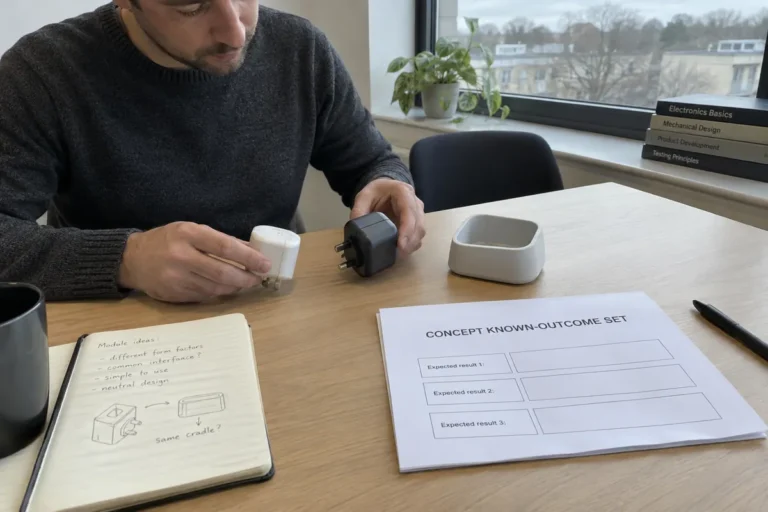
Likewise, do not describe a data export, deletion, retention period, payment path, or cancellation experience unless the exact service arrangement and target-market obligations have been reviewed. These are not details that a hardware photo can confirm. They require the actual service contract, product configuration, and approved customer language.
For a private-label project, bring these questions into the product-development process alongside the product brief. For a broader scope, the baby monitor customization route is a useful place to distinguish a standard product discussion from firmware or App/UI work that needs its own definition.
How Should Teams Rehearse a Service Handoff Before Launch?
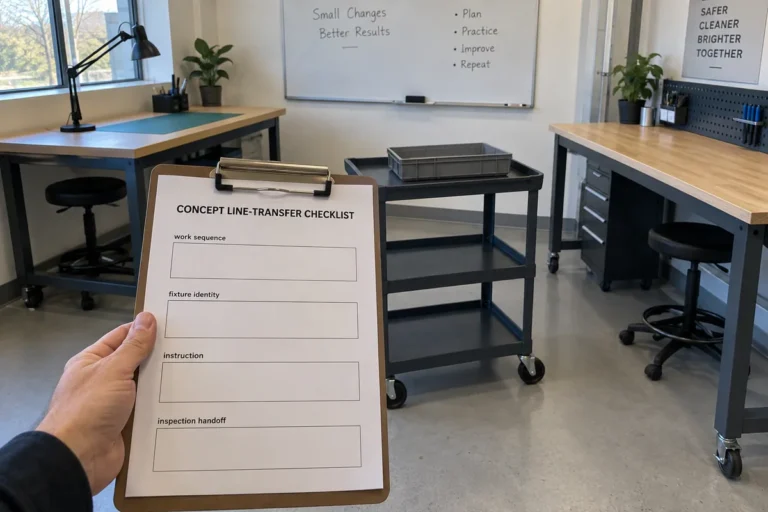
Choose a small number of representative events and walk each one from customer message to closure. Use an account-access problem, an ordinary support request, a planned wording change, and a hypothetical service interruption. For each event, record the trigger, first recipient, responsible decision maker, information exchanged, customer message, and closure evidence.

This rehearsal does not prove security, availability, or legal compliance. It exposes unowned handoffs. If a team cannot say who replies when the app is unavailable, the launch plan has an operational gap.
NIST’s update guidance is especially relevant as a process analogy: acquisition or installation without verification is incomplete. In a connected-product program, similarly, an announced responsibility without an exercised handoff is not a finished operating plan. Keep the analogy narrow; the final service design still depends on the actual product, contracts, market, and parties.
How Should Public Copy Stay Aligned With the Map?
Inventory every connected-service statement in packaging, web pages, retail listings, app-store text, manuals, and support macros. Next to each statement, record the configuration, geographic scope, owner, source of truth, and the change process. Remove a claim if its map row has no owner or its applicability is uncertain.
The same discipline avoids implying universal security, uninterrupted availability, indefinite storage, or guaranteed support. A promise should be as specific as the team can operate and evidence.
What Do Buyers Commonly Ask About Cloud-Service Responsibilities?
Does a cloud-service map replace a security review?
No. It assigns operating and customer-communication responsibilities. Security design and evidence require their own configuration-specific review.
Can ANHONG be listed as the cloud operator by default?
No. Name an operator only after the actual commercial and technical arrangement is confirmed. ANHONG’s known services do not establish a default cloud-operations role.
Who should own an outage notice?
The launch plan should name a brand decision owner and the relevant technical input owner. Do not leave this to an implied party.
What should a buyer send for an initial discussion?
Send the target market, intended connected-service promise, proposed parties, support route, and unresolved rows from the map. Contact ANHONG to connect those inputs to a defined product and development discussion.