How Should Buyers Compare Central and Edge Detail in a Baby Monitor Camera View?
Compare central and edge detail in a baby monitor camera view with a region-task map, fixed conditions and a configuration-specific sample record.
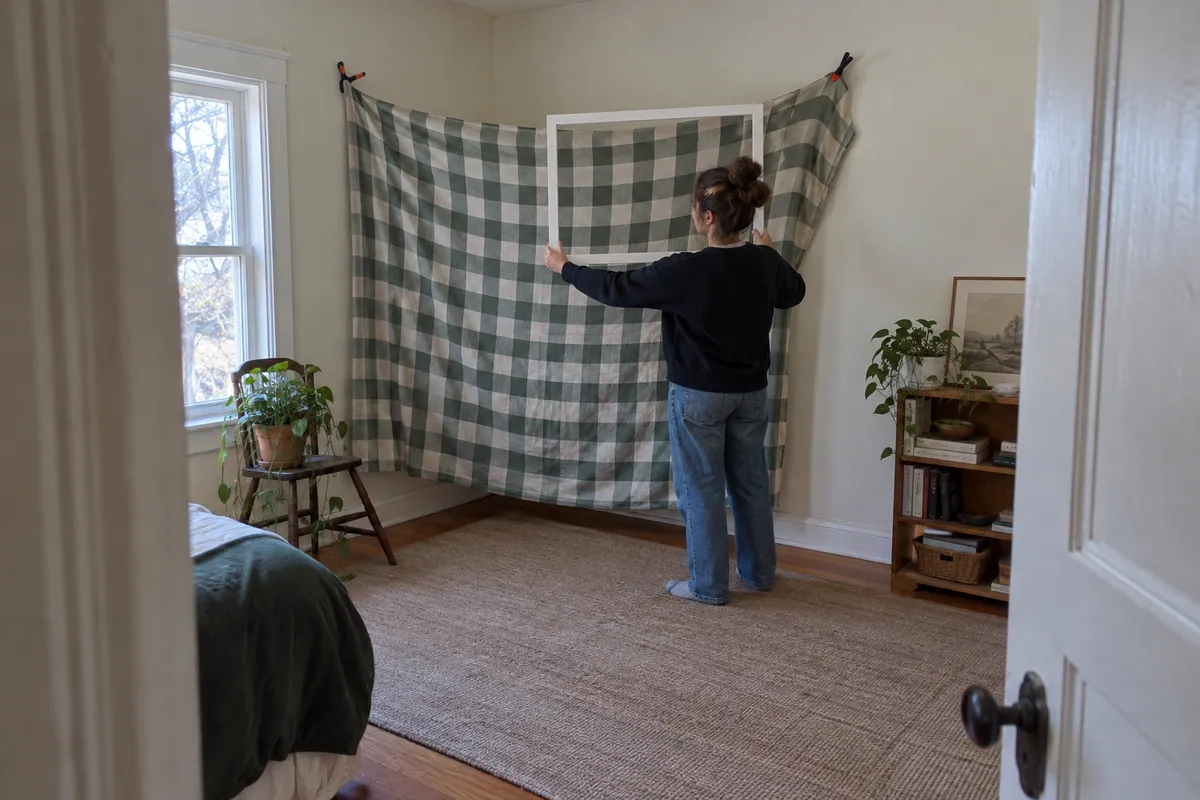
A camera view can look convincing at its center while the information a buyer needs sits near an edge. Central and edge detail should therefore be compared as viewing tasks, not reduced to a general claim that one camera is “clear.”
Which regions matter to the intended scene?
Mark the scene areas that carry the decision: a central cot area, an edge where a caregiver expects movement, or a boundary needed to understand framing. Do not assume every edge needs the same detail as the center. The requirement belongs to the intended installation and product promise.
How should the region map be reviewed?
Use the same target, distance, camera placement, illumination, and receiving display. Place the agreed target in the center, then in each named edge region. Record whether the defined feature remains distinguishable, what part of the scene is visible, and the camera/firmware/viewing-path configuration. This is a proposed Region-Task Map, not a calibrated optical test or a resolution claim.
| Region | Intended task | Target feature | Observation record |
|---|---|---|---|
| center | primary view | agreed detail | sample and conditions |
| edge A | framing boundary | agreed detail | sample and conditions |
| edge B | secondary task | agreed detail | sample and conditions |
Why is this not an installation article?
Camera placement decides which areas enter the frame. This article asks what information is retained within an already agreed frame. Keep installation, whole-view framing, motion, latency, and night-mode reviews separate. Otherwise a buyer may confuse a different angle with an edge-detail result.
ANHONG can discuss product definition, camera hardware, and sample-review scope. A buyer can identify the scene regions required by its product brief and ask how the offered configuration should be observed. This does not imply a universal field-of-view, optical specification, or edge-performance guarantee.
How should a brand choose the target features?
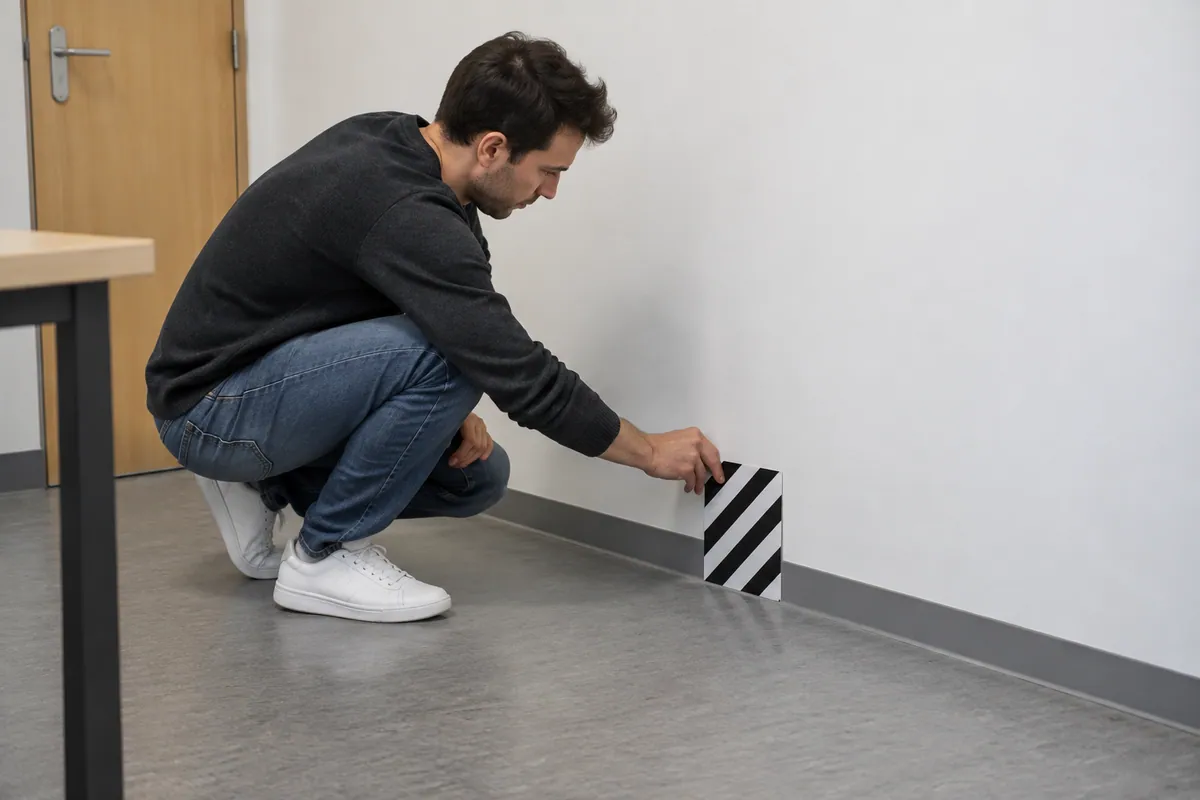
Choose features that are meaningful to the stated viewing task, not a target selected only because it makes one sample look strong. A simple patterned card can help reviewers agree on an edge or line; a familiar object can help explain the commercial consequence. Neither becomes a calibrated resolution chart merely because it is photographed. Describe what the reviewer must distinguish and use the same object in every named region.
If the task is to understand whether a cot boundary remains visible, the target should help answer that boundary question. If the task is to notice motion near a designated edge, use a repeatable movement route and keep it separate from the still-detail run. Record the result in plain language and retain the original evidence where the product supports it. This protects the team from claiming optical performance that its review did not measure.
What happens when framing and detail disagree?
That disagreement is valuable information. A wider placement may include more of the room while making a required edge feature too small to interpret; a closer placement may improve the feature while removing context. Do not call either result a failure before the brand decides which task has priority. Add the trade-off to the installation and product-definition brief, rather than silently changing camera position until the image looks favorable.
The same discipline applies to viewing paths. A parent-unit observation and an app observation may both matter, but they should be labeled separately. Do not compare a magnified phone capture with an unmodified parent display, or treat one path as evidence for the other. The goal is a useful business decision about the offered configuration, not a generic camera ranking.
How can the Region-Task Map support later changes?
Retain the map with the approved sample. When a lens, camera housing, image-processing setting, or intended placement changes, the team can identify which region and task need re-review. This narrow trigger is more practical than rerunning every visual demonstration without knowing what it was meant to prove. It also makes retailer and packaging claims easier to limit: describe the agreed viewing role, not an unspecified “crystal-clear corner-to-corner” promise.
Before the final product brief is approved, ask the buyer to sign off on the scene, the required regions, the observation method, and any region where the task is explicitly not evaluated. An untested edge should remain an open condition, not become an assumed capability through marketing copy.
How should the result be communicated internally?
Use a short statement for each named region: task completed, task not completed, or not evaluated under the recorded condition. Attach the sample identity rather than a generic product name. This lets procurement compare candidates while letting engineering see the conditions behind a question. It also gives marketing a useful boundary: it may describe the selected viewing task only after that task is confirmed for the released configuration. A region map is most valuable when it prevents a broad visual claim from escaping the narrow evidence that actually exists.
If a buyer later changes the required cot position, camera height, or receiving screen, create a new row rather than overwriting the old observation. The two records can coexist and show exactly why a former approval may no longer answer the new question.
What should be retained?
Keep the region map, target locations, sample identity, viewing path, light conditions, screen captures or original outputs where available, and acceptance decision. If a lens, housing, software, or mounting concept changes, revisit the regions affected by the change.
Frequently asked questions: how should edge detail be compared?
Must all edges match the center?
No. Define the required task by region rather than assuming identical performance.
Can a single screenshot prove the comparison?
It documents one condition. Retain the task, configuration, and repeated observations too.
Does this replace a night-vision review?
No. Repeat the relevant regional tasks under the lighting modes required by the brief.
What should a supplier receive?
The scene map, required regions, target features, installation boundary, viewing path, and evidence request.
For a configuration-specific camera-view brief, contact ANHONG.