Why Does Baby Monitor Battery Life Fall Short of the Number on the Box?
Compare baby monitor battery life using screen-on, sound-activated and charging conditions, and verify what low-power modes change before placing an order.
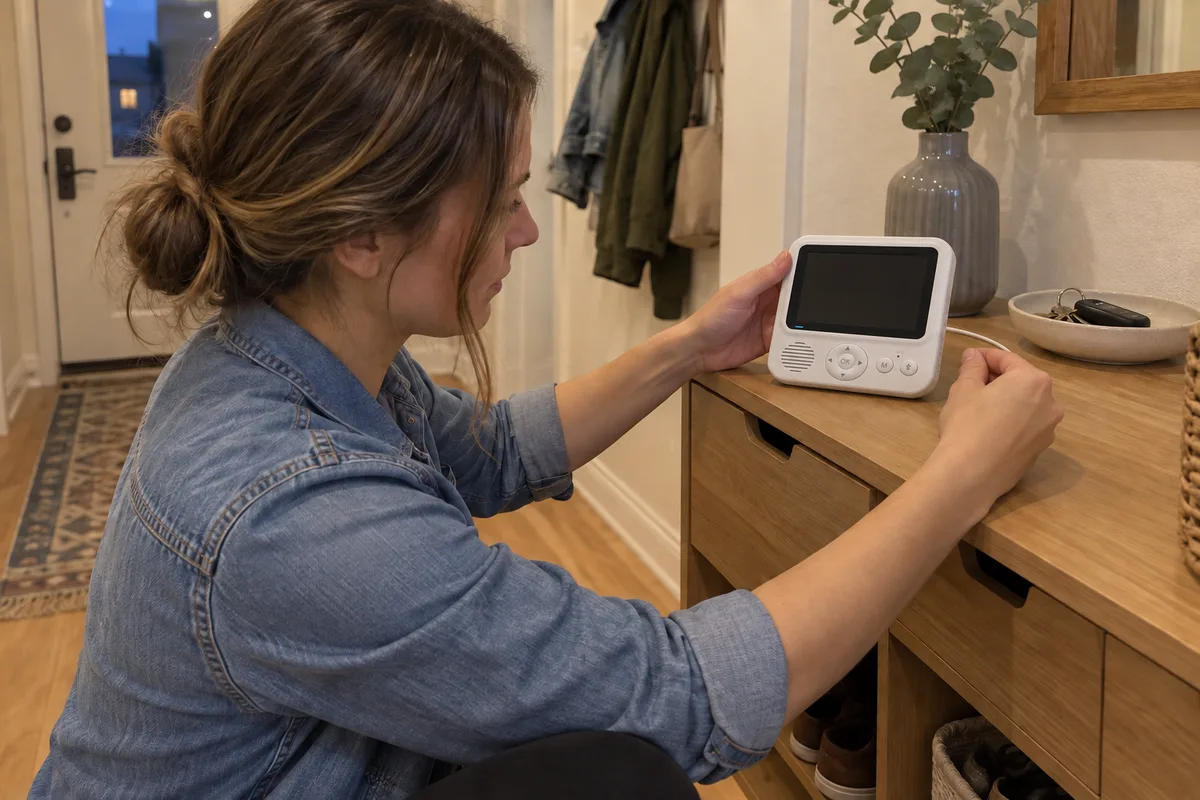
A long standby number can look convincing until a buyer asks a simpler question: how long does this sample run with the screen and audio operating as intended? If the answer comes from a different mode, the two numbers are not comparable.
I would begin a battery-life discussion with the operating conditions, not the capacity printed on the cell. The battery supplies energy; the display, processor, wireless link and audio path determine how that energy is used.
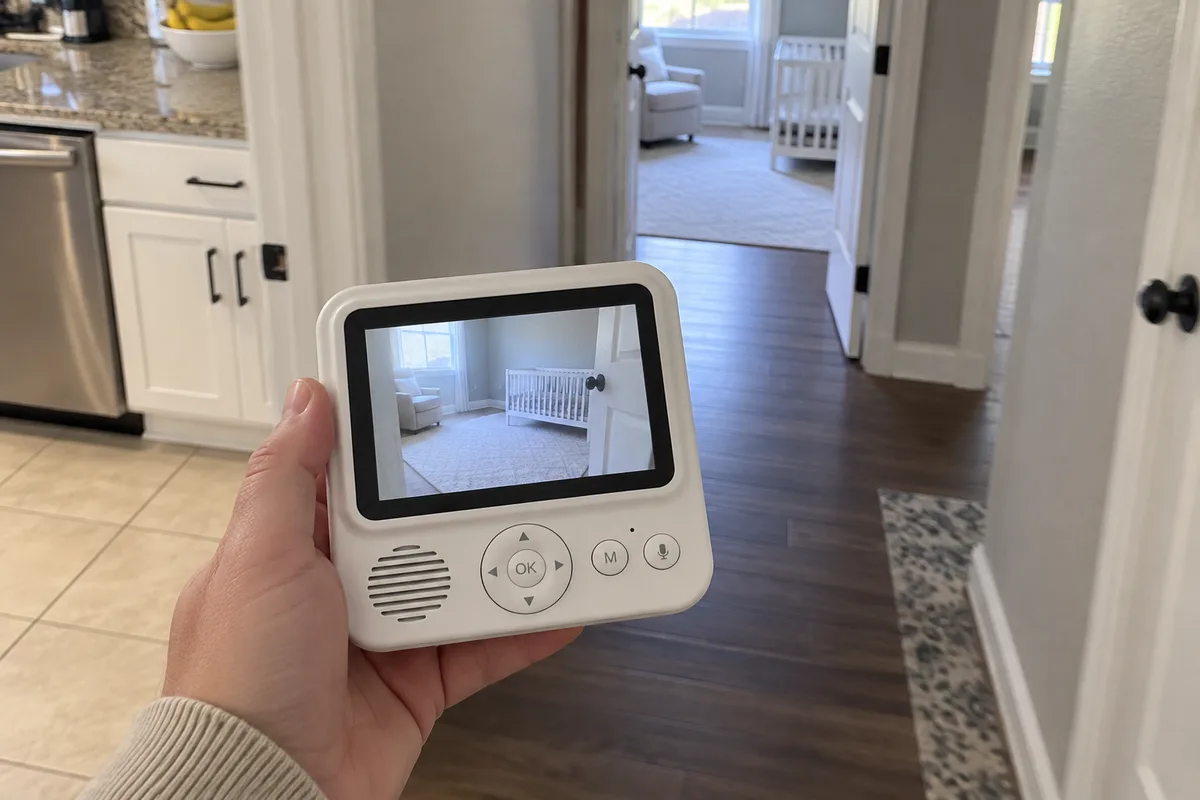
Where Does the Energy Go?
The distribution depends on the platform and settings. A brighter display, different video workload or changed audio behavior can affect the result. Do not reuse a generic subsystem power table as if it were a measurement of the ordered model.
| Item to record | Why it belongs in a runtime comparison |
|---|---|
| Screen state and brightness | Distinguishes continuous viewing from display-off use. |
| Audio and activation settings | Describes how often playback or other functions are active. |
| Camera count and link conditions | Keeps the monitoring workload comparable. |
| Battery and firmware identification | Ties the result to a specific sample configuration. |
| Starting charge and stopping condition | Defines when the measurement begins and ends. |
Capacity in milliamp-hours is not a runtime guarantee. Where battery voltages differ, compare rated energy as well as capacity, and still test the assembled product. Avoid calculating runtime from one component’s consumption while ignoring the rest of the system.
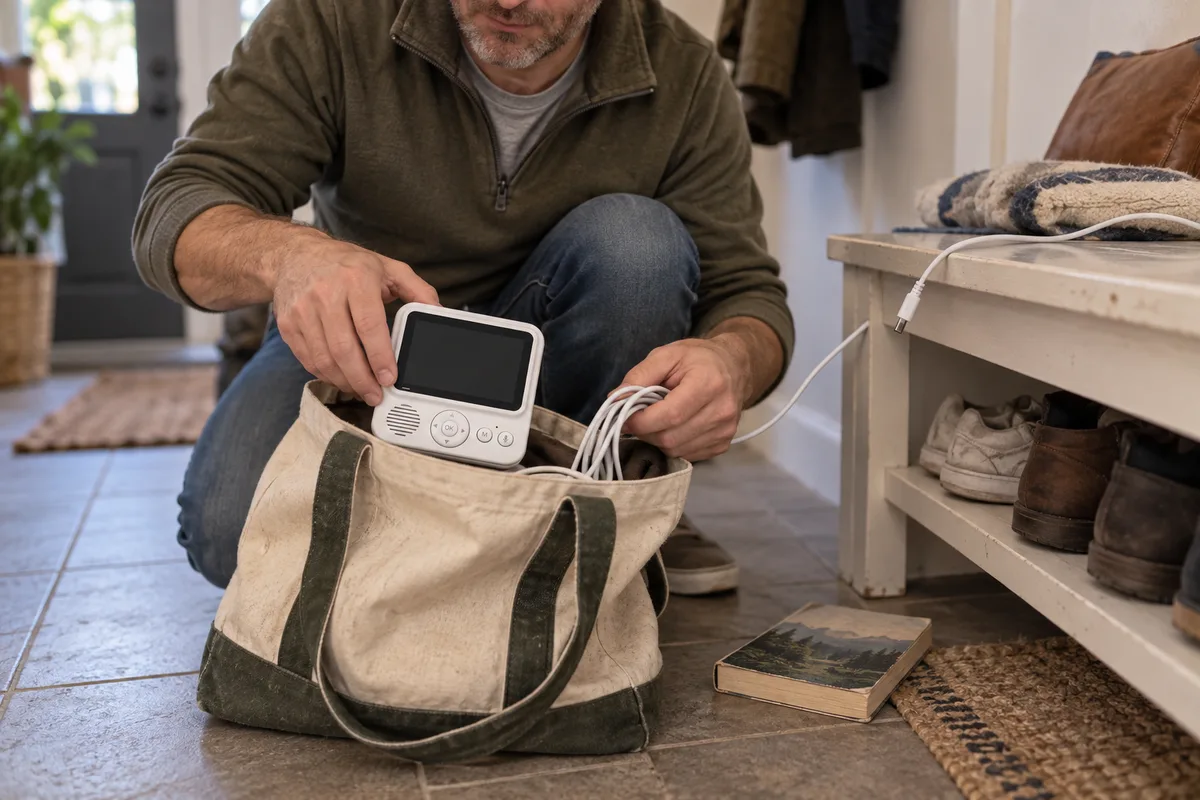
What Can a Low-Power or Heartbeat Mode Change?
“Heartbeat” may describe periodic link checks in a supplier’s implementation, but it is not a universal baby-monitor performance standard. Ask what the product actually switches off, what keeps running, and how it returns to active operation.
A screen-off mode and a receiver-sleep mode are not necessarily the same. A claim about extended standby also does not prove longer continuous video runtime. The buyer needs separate results for the modes that will appear in the listing or manual.
If the supplier uses periodic checking, request the documented event-delivery and link-loss behavior. Do not assume that the nominal check interval is the complete end-to-end delay. Detection, processing, transmission, retries and display or sound activation may all contribute. Any promised behavior must be checked on the actual firmware under the agreed conditions.
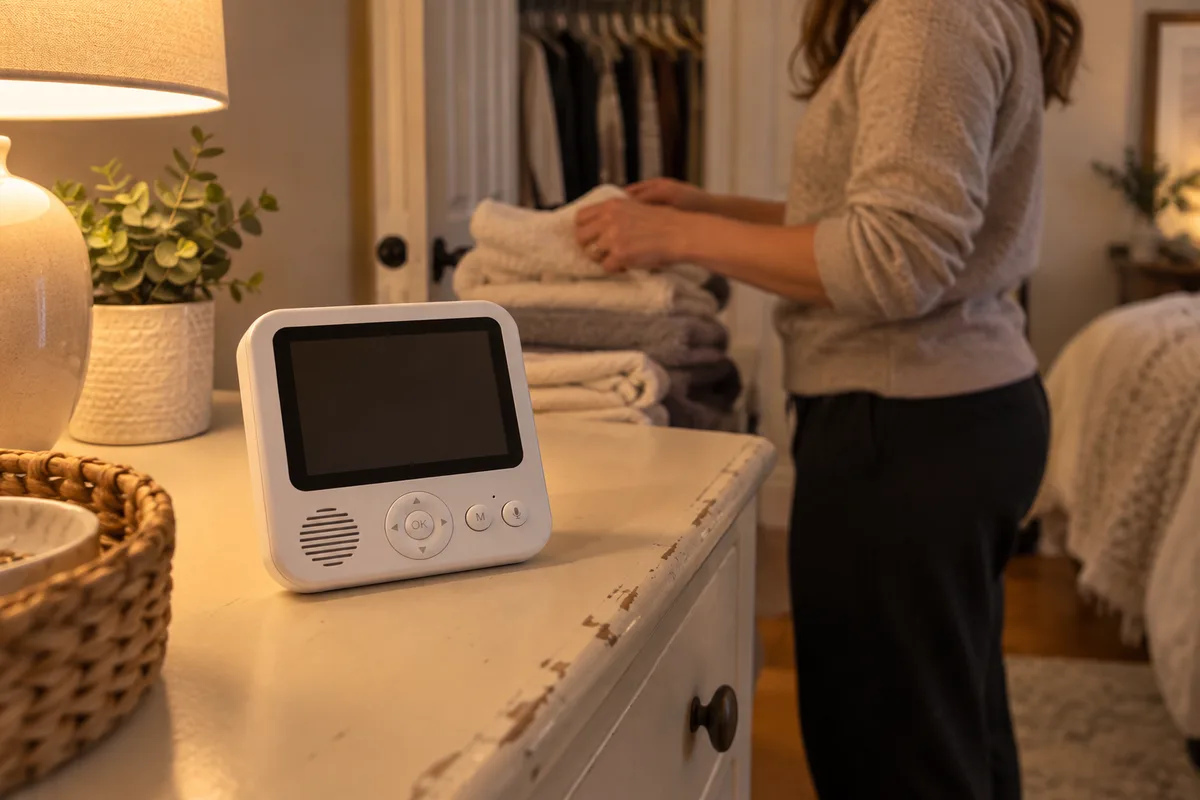
What About Charging and the Battery Itself?
Ask for the cell specification, rated capacity and voltage, approved charging configuration and service policy. Cell shape alone is not a quality ranking. A thin pouch and a cylindrical cell are packaging choices that must be assessed with the complete design and supplier evidence.
For aging claims, request the manufacturer’s stated conditions and supporting results. Do not assign one universal cycle count or remaining-capacity percentage to every lithium-based battery. Confirm whether replacement is intended for the user or for a service process, and follow the product instructions.
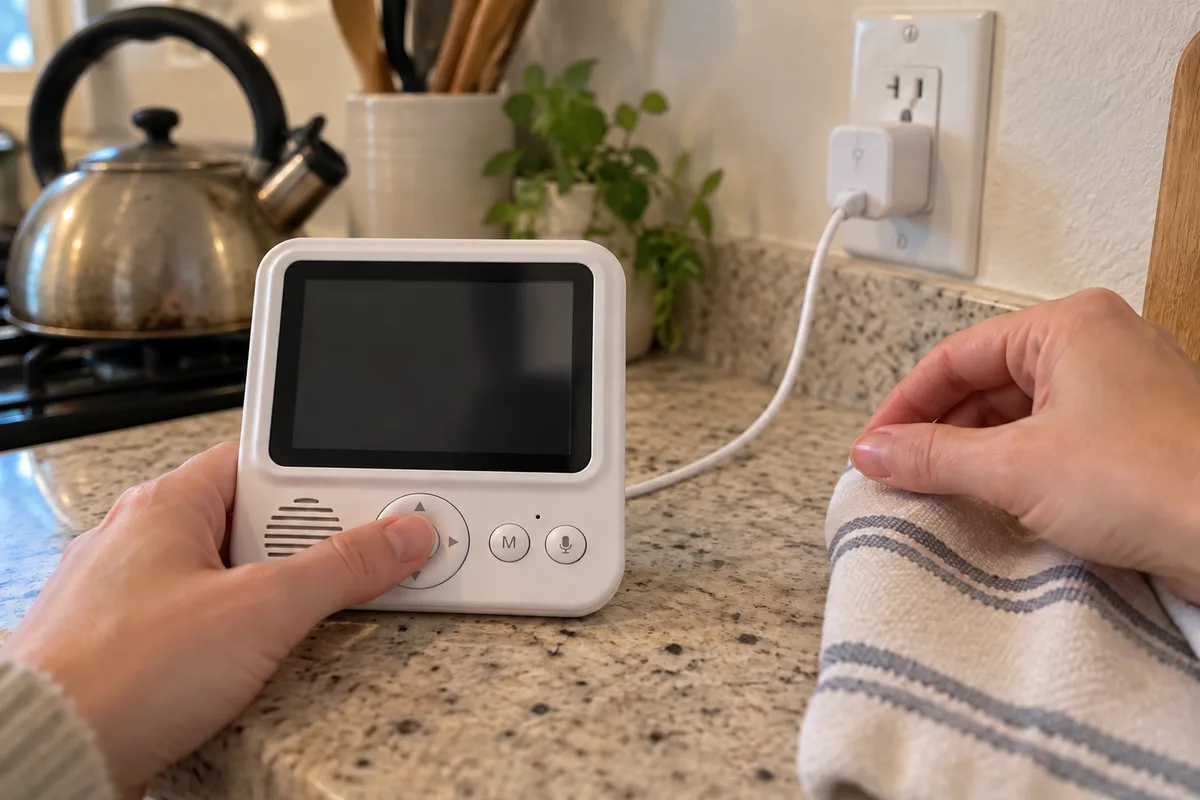
Measure charging and runtime separately. State whether the monitor was in use while charging and which supplied or approved adapter was used. Also check that the low-battery indication and shutdown behavior are understandable; a large headline capacity does not answer those questions.
How Should Buyers Run a Useful Sample Check?
Which use profiles should be compared?
Define continuous viewing and screen-off sound-activated use separately. If a mixed-use profile is relevant, list every segment and confirm that the durations add up to the stated total. Do not label a partial-day sequence as a full-day test.
What needs to stay unchanged?
Use the same brightness, volume, firmware, camera arrangement and link setup for repeat comparisons. Note ambient conditions and the starting charge procedure. Save the approved profile with the purchasing brief.
What else should be observed?
Record activation behavior during low-power operation, link-loss warnings, low-battery warnings and recovery after charging. Runtime is one part of the experience, not a substitute for these checks.
How should the result be used in sales copy?
Attach the relevant conditions to the claim. Keep continuous-use and standby figures clearly distinguished. Do not infer a week of real household use from a quiet standby demonstration.
What Else Do Buyers Ask About Runtime?
Does a larger battery always make a longer-running monitor?
Not when the operating load differs. Compare the battery specification and the assembled product under the same use profile.
Does switching off the display mean the receiver sleeps?
Not necessarily. Ask which subsystems remain active in that model’s power-saving state.
Can low-power operation affect event delivery?
It can change the operating sequence. Request and test the implemented behavior rather than assuming a generic interval is acceptable for every use.
Can standby results be used as continuous-viewing results?
No. They describe different conditions and should be labelled separately.
What should a supplier provide with a runtime claim?
Sample and firmware identification, the use profile, settings, starting and ending conditions, and the actual result. Any battery-aging claim also needs its own supporting method.
The useful baby monitor battery life figure is the one your team can reproduce. ANHONG can discuss the desired use profile, hardware and firmware requirements for a sourcing or OEM/ODM project. Start with the customer’s expected use, then agree the sample acceptance conditions.


