Why Can Baby Monitor VOX Sensitivity Miss the Sound You Want to Hear?
Evaluate baby monitor VOX sensitivity, microphone pickup and speaker clarity with repeatable sample checks before choosing a platform for your brand.
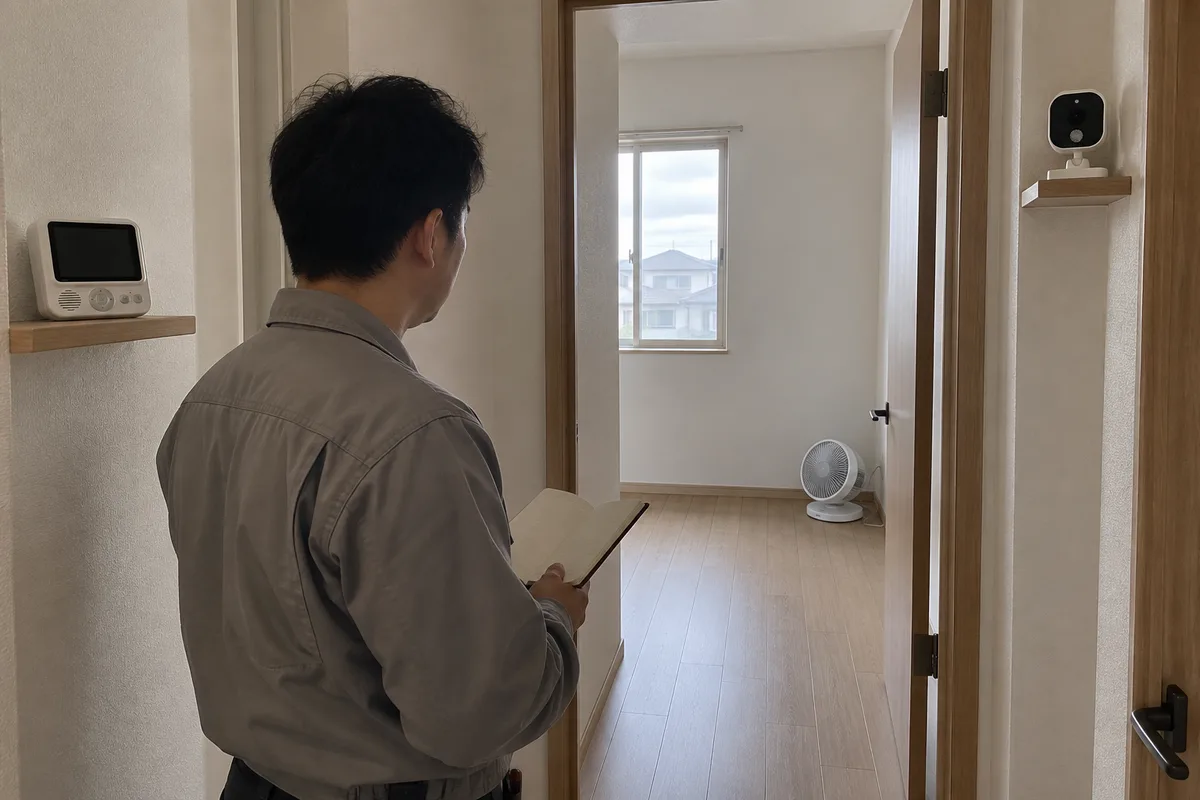
A monitor can show a clear picture and still disappoint on audio. A buyer turns down the sensitivity to stop repeated screen wake-ups, then finds that quieter sounds no longer activate the display. Another sample wakes repeatedly when a fan or television is running.
For a sourcing team, those are different questions from camera resolution. I would separate microphone pickup, sound activation and parent-unit playback before deciding that the microphone is the problem. A good-looking video demonstration does not test the complete audio path.
What Does VOX Actually Do?
VOX generally refers to voice-operated or sound-activated switching. On a baby monitor, the exact behavior depends on the model: it may wake the screen, unmute audio, or change a power-saving state. Ask the supplier to describe what remains active when the display is off.
A sound-level trigger is not automatically a baby-cry classifier. It may respond to other sounds above its threshold. If a product claims to distinguish crying from background noise, evaluate that function separately instead of inferring it from a VOX checkbox.
| Behavior | What should the buyer check? |
|---|---|
| Display activation | Which sounds wake the display, and how long does activation take? |
| Audio playback | Is sound continuously audible, muted, or resumed only after activation? |
| Quiet-period behavior | What timeout returns the device to its resting state? |
| Power saving | What runtime was measured under the specified screen and sound conditions? |
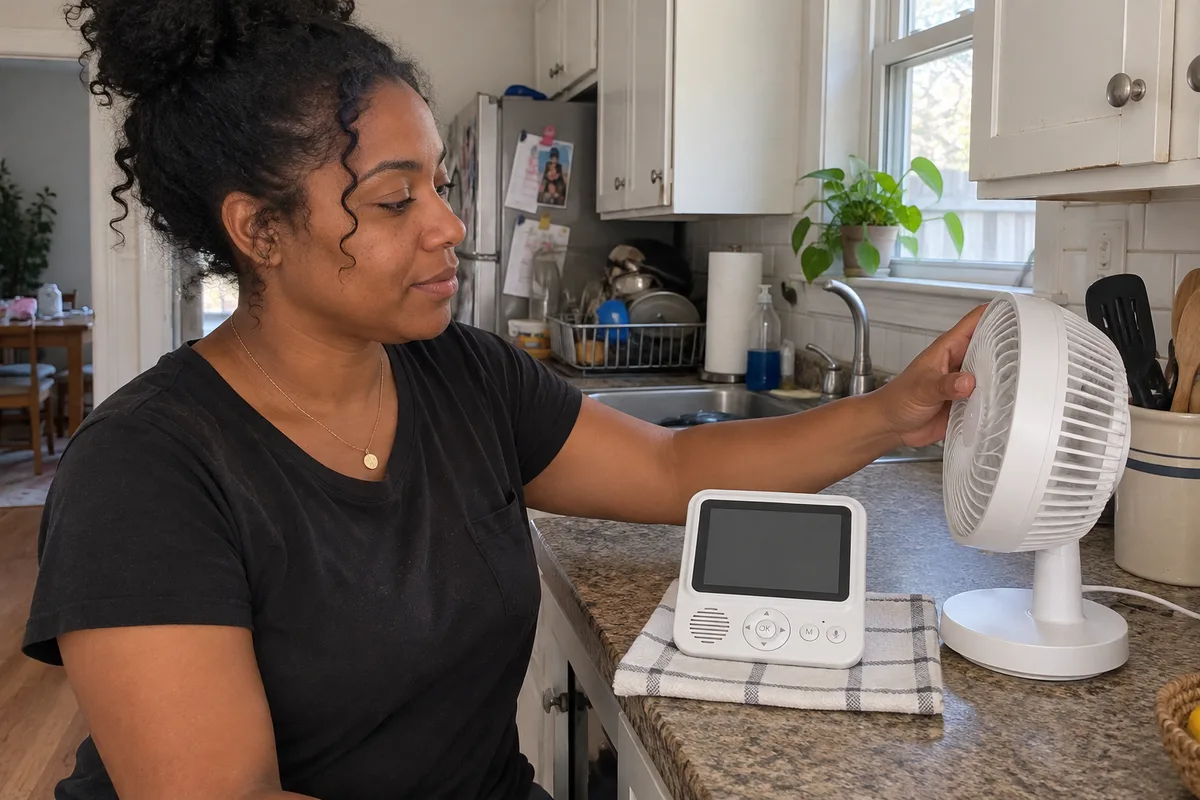
A quiet room and a noisy room can require different settings. A lower threshold may catch softer sounds but also trigger more often on background noise. A higher threshold may reduce unwanted activations while missing quieter events. The useful question is how the supplied settings behave in the conditions your customers are likely to encounter.
What Does Properly Tuned VOX Require?
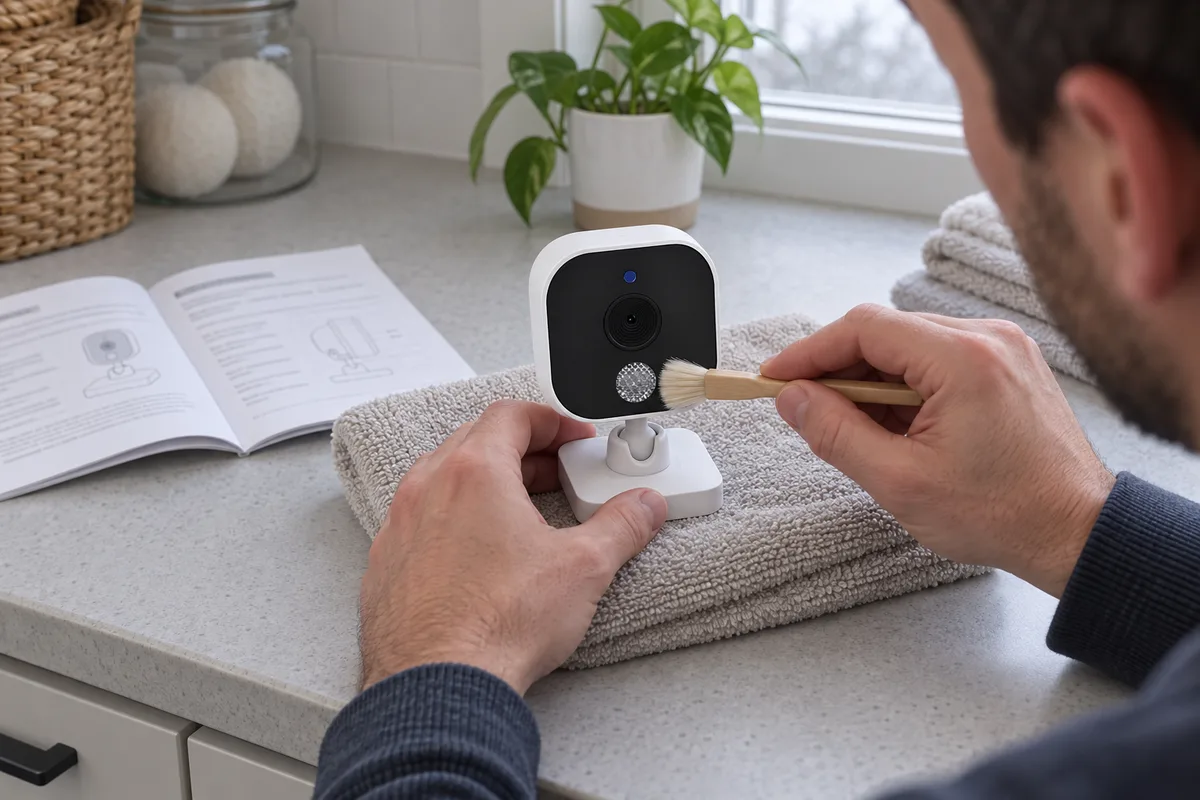
Start with the microphone and its acoustic opening. The complete housing, microphone, gain settings and processing determine what reaches the trigger. A microphone sensitivity number alone cannot establish whether a finished monitor will pick up the sounds you want.
Then ask about processing. A supplier may use filtering, level detection, fixed thresholds or adaptive processing. Those are implementation choices, not proof of successful cry recognition. Request a plain explanation of the implemented behavior and demonstrate it on the actual sample firmware.
Production consistency matters too. Ask which audio checks are performed on each unit, which are sampled, what the acceptance limits are and how failed units are handled. Testing and calibration are not interchangeable: a test checks an outcome; calibration adjusts a system against a reference. The supplier should explain which the process actually includes.
Finally, try every available sensitivity setting. Settings should produce understandable differences, survive the documented power-cycle behavior and be explained clearly in the manual. More settings are not automatically better if buyers cannot tell what they change.
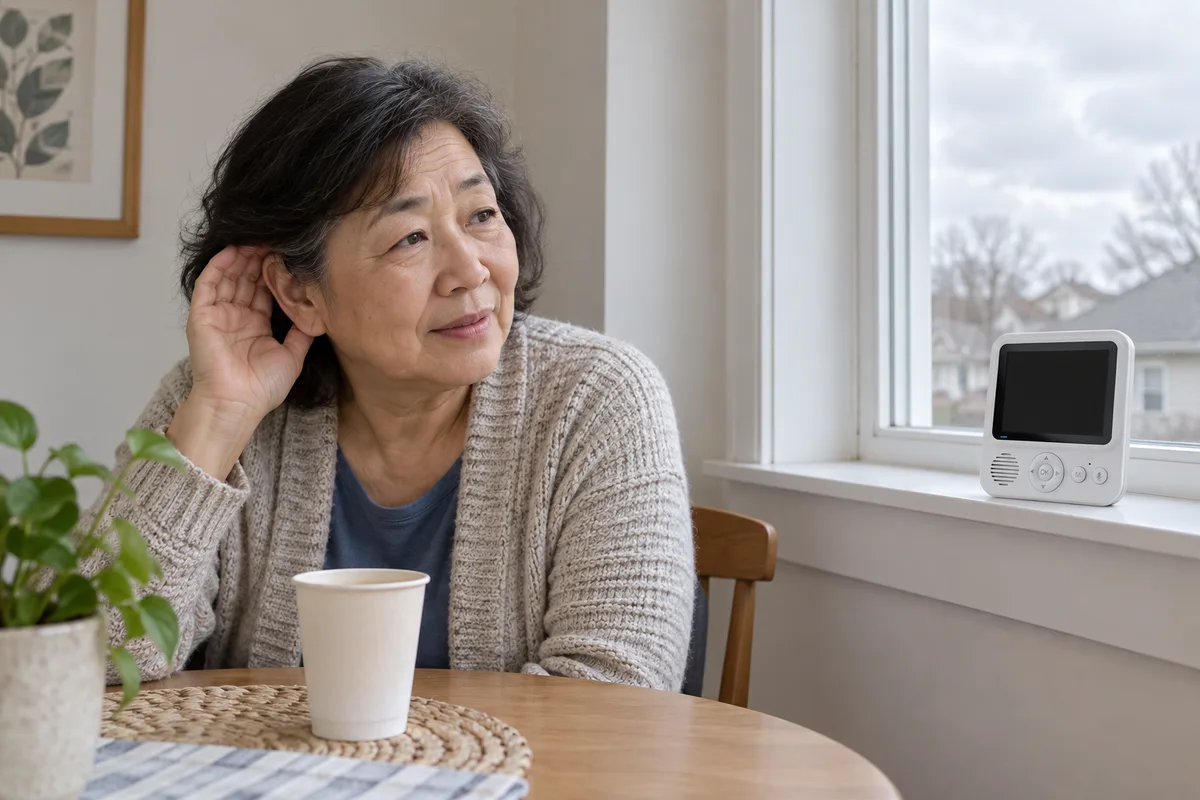
Why Can the Parent Unit Sound Too Quiet or Unclear?
The speaker is only one part of the playback path. Driver characteristics, enclosure openings, amplifier gain, distortion and the recorded signal all affect the result. A larger driver does not by itself guarantee clearer reproduction.
Evaluate clarity at normal listening settings before checking maximum output. Turning up a distorted or noisy signal is not the same as making useful sound easier to understand. Also check the sound with the unit resting in the orientations described in its manual; a surface or hand can obstruct an acoustic opening.
Keep microphone activation and speaker volume separate in the brief. On one model, the volume setting may change playback only; on another, related mute behavior may also affect the experience. Record what the sample actually does. Do not promise that a particular setting will wake every sleeping user.
What Should You Verify Before Ordering?
What is the repeatable sample procedure?
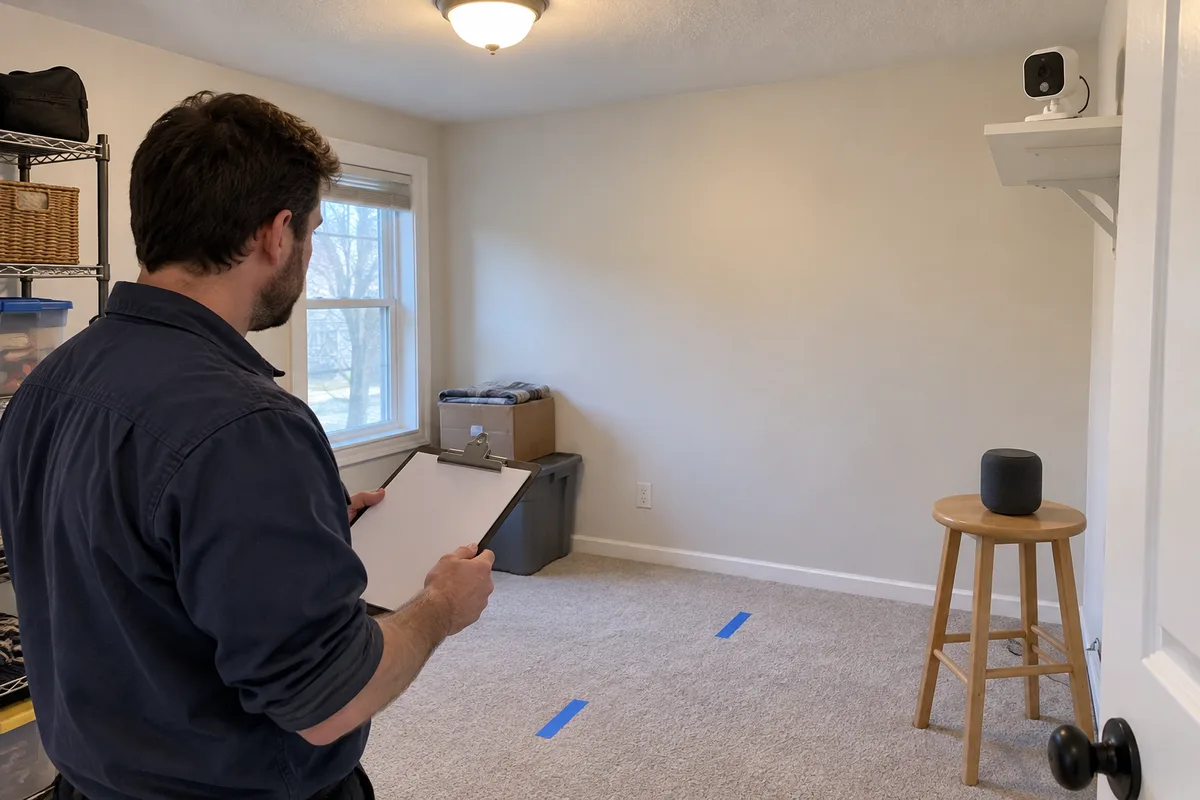
Use the same sound recording, playback level, positions and room conditions when comparing samples. Record camera-to-source distance, background sound, sensitivity, parent-unit volume, firmware and screen state. Define the expected trigger behavior with the supplier before judging pass or fail.
What changes when background sound is introduced?
Repeat the check with a representative background sound and note both missed activations and unwanted activations. Do not turn a single successful demonstration into a claim about every nursery. Check whether the start of the sound is clipped when playback resumes.
What happens after settings or power states change?
Check screen-off operation, mute, charging, restart and link loss. Confirm that the manual describes these states accurately. A buyer needs to understand a link-loss warning separately from a sound-activation event.
What evidence supports batch consistency?
Request the production check method and agreed acceptance criteria for the ordered configuration. Keep the approved sample and firmware identification with the purchase specification so later batches can be compared on the same basis.
What Else Do Buyers Ask About VOX?
Does VOX mean that the product recognizes a baby’s cry?
No. Sound activation and cry classification are different claims. Ask which function the model implements and evaluate it directly.
Is there one best sensitivity setting?
No universal setting follows from a feature list. Compare the available settings in the intended room conditions and document the trade-off between missed and unwanted activations.
Does a dark screen mean that audio has stopped?
Not necessarily. The display, audio playback and radio can have different operating states. Verify the model’s behavior instead of assuming that they switch together.
Should a louder speaker be the main purchasing criterion?
No. Check clarity, distortion, usable volume adjustment and the complete audio path. Maximum output alone does not establish a better experience.
Can VOX runtime be compared between suppliers?
Only when the test conditions are comparable. Screen-on time, sound activity, brightness, volume and link conditions should accompany the result.
For your next sourcing brief, put baby monitor VOX sensitivity alongside microphone pickup and speaker playback as separate acceptance items. ANHONG can discuss product definition, firmware and UI requirements for an OEM or ODM project. Share your target room conditions and desired operating behavior so the sample evaluation can be agreed before an order.


