Why Does Your Baby Monitor Screech When the Units Get Too Close?
Understand baby monitor audio feedback and compare gain, acoustic design, setup instructions and repeatable sample checks before approving a product.
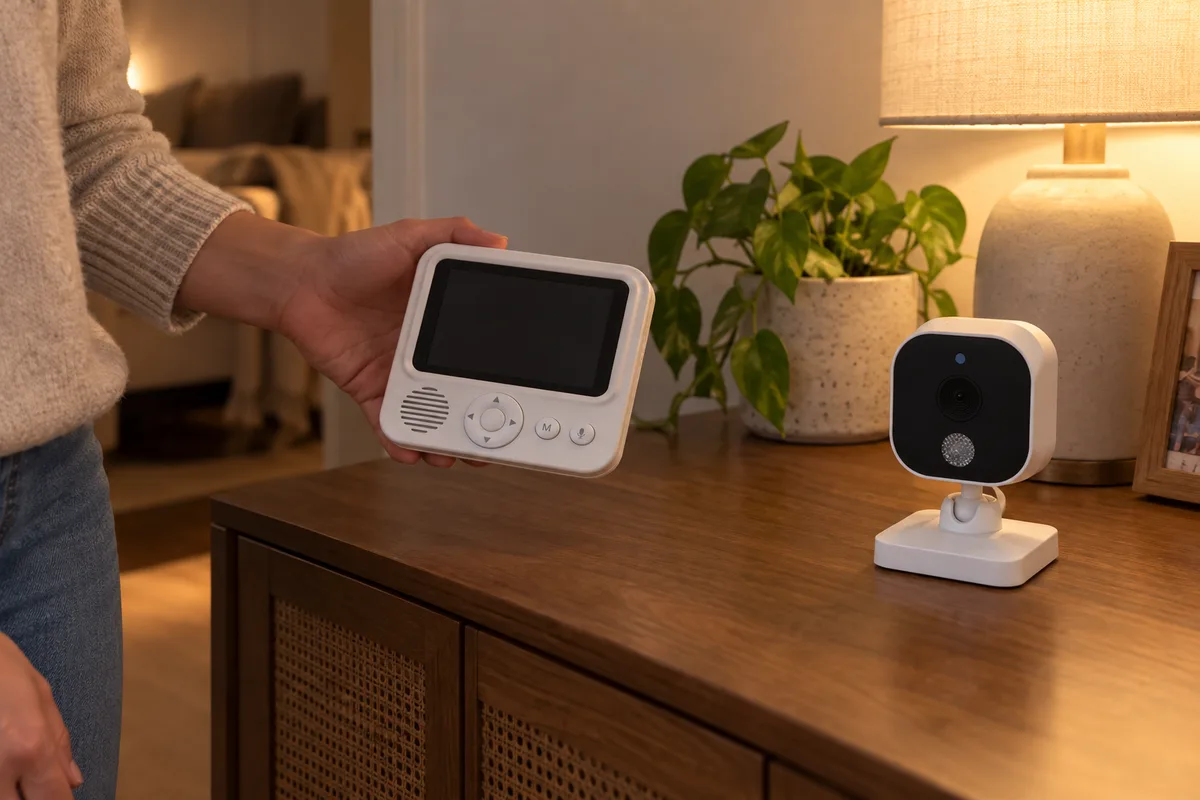
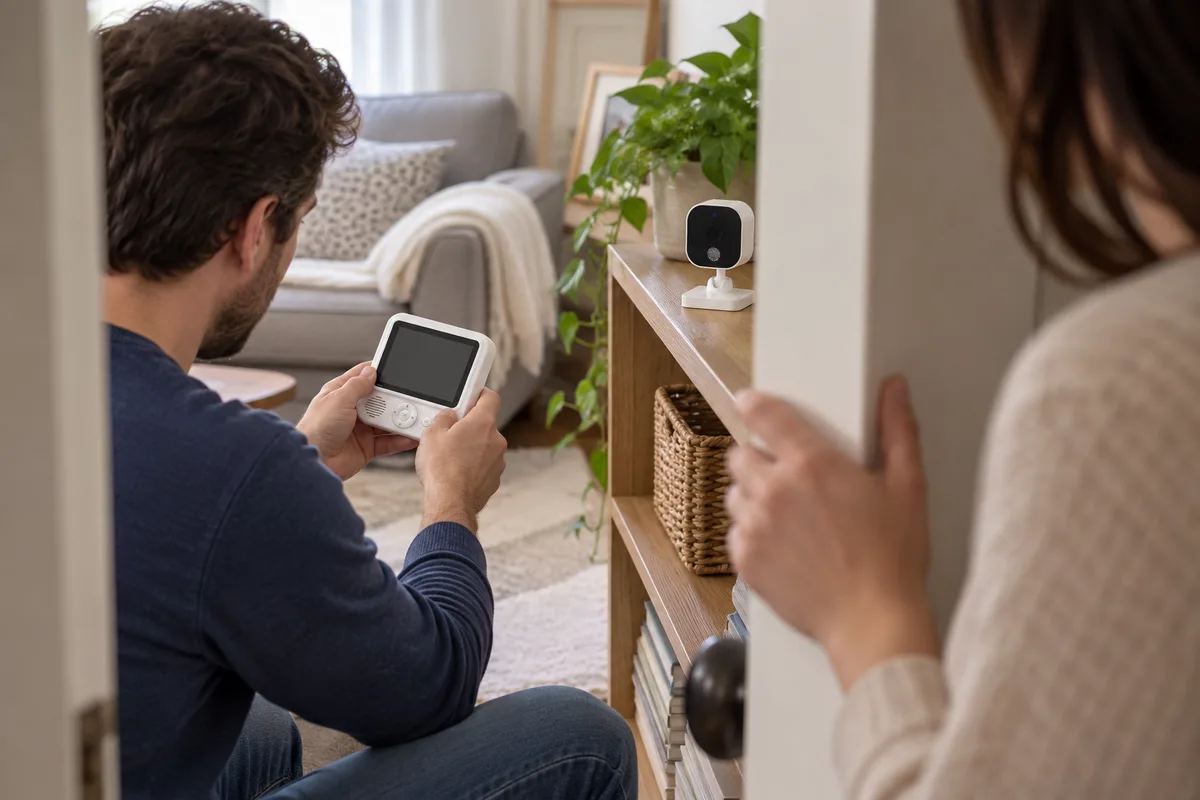
Putting both units on the same table is an understandable first step when opening a monitor kit. If an active speaker feeds sound back into the camera microphone, the result can be an unpleasant tone rather than a useful demonstration.
For a buyer, the important question is not whether one sample can be made to screech. It is whether the product’s intended settings, setup instructions and tested behavior are consistent. I would review those together before deciding which change is needed.
What Happens in an Audio Feedback Loop?
The camera microphone captures sound, the system sends it to the parent unit and the speaker reproduces it. If that output reaches the microphone again, it can return through the same path. Under conditions that allow the loop to reinforce a frequency, an audible feedback tone can develop.
The placement and orientation of the devices, acoustic surroundings and gain settings affect the loop. Digital transmission alone does not remove an acoustic return path. Nor should every intermittent tone be diagnosed as feedback without reproducing the conditions.
For technical context, Shure’s explanation of acoustic feedback describes how amplified speaker output re-entering a microphone can produce a sustained tone. The principle helps frame a sample investigation; it is not a pass/fail standard for a baby monitor.
Which Design Choices Can Change the Behavior?
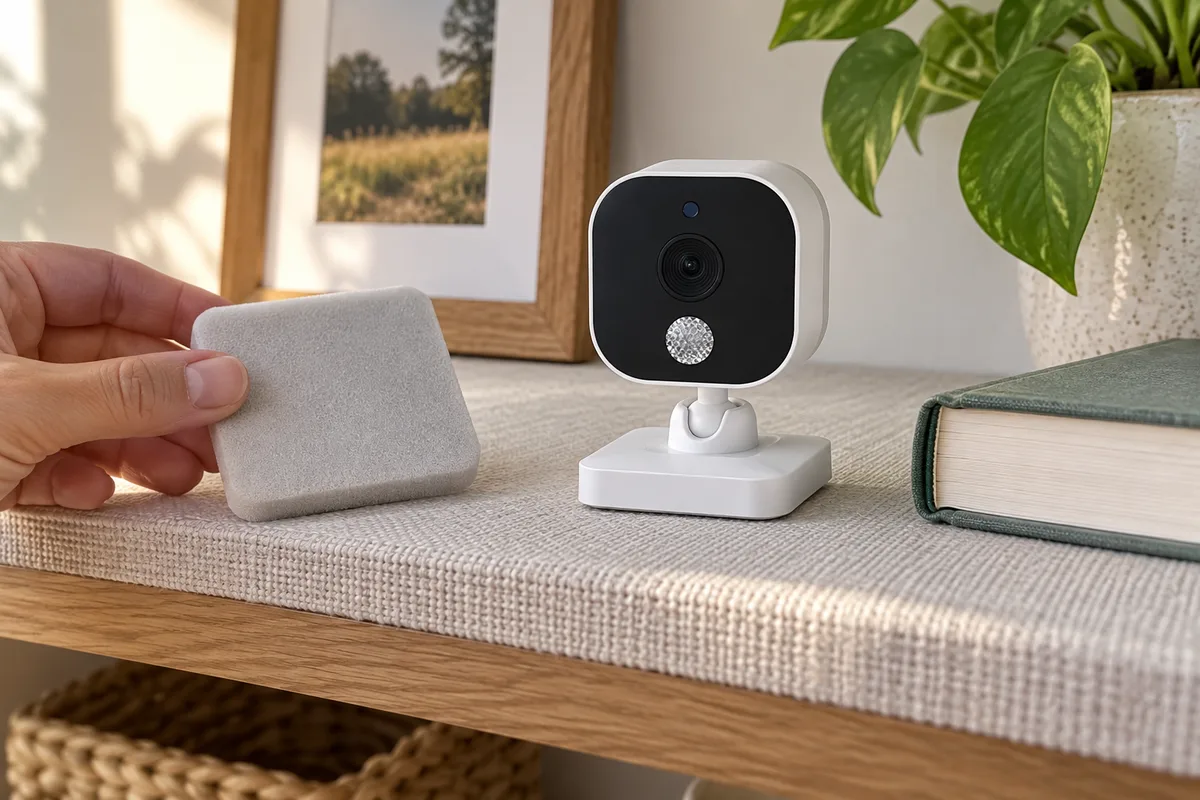
Microphone gain, speaker output, acoustic openings and processing all need to be considered as a system. Changing one setting can also affect pickup or intelligibility, so a feedback improvement should be evaluated alongside the intended audio experience.
| Design or setup item | What to verify |
|---|---|
| Gain and volume | Intended operating range and the effect on wanted audio. |
| Acoustic design | Behavior in the assembled enclosure and intended placement. |
| Processing | Which echo or feedback-related functions are actually implemented. |
| Instructions | Clear first-use placement and volume guidance. |
| Production checks | Method, coverage and traceability for the agreed configuration. |
Avoid declaring that software cannot help or that production testing itself eliminates the underlying cause. Testing checks behavior; the design determines that behavior. Both are needed in an evidence-based purchasing decision.
Can Echo Cancellation Solve Every Feedback Problem?
Acoustic echo cancellation is a processing technique, not a promise that any two devices will work at any separation or volume. Texas Instruments’ two-way audio reference design includes acoustic echo cancellation and noise reduction as separate processing functions. This shows why “software versus hardware” is too simple a way to evaluate an audio path.
Ask what is implemented in the actual platform and which conditions have been evaluated. Do not assume a fixed, pre-calibrated room is required for every AEC implementation, or assign a universal amount of improvement without measurements.
The buyer’s acceptance target should remain the finished product: useful pickup and playback, understandable controls and documented limits under the intended use.
What Should a Repeatable Feedback Check Include?
What conditions define the requirement?
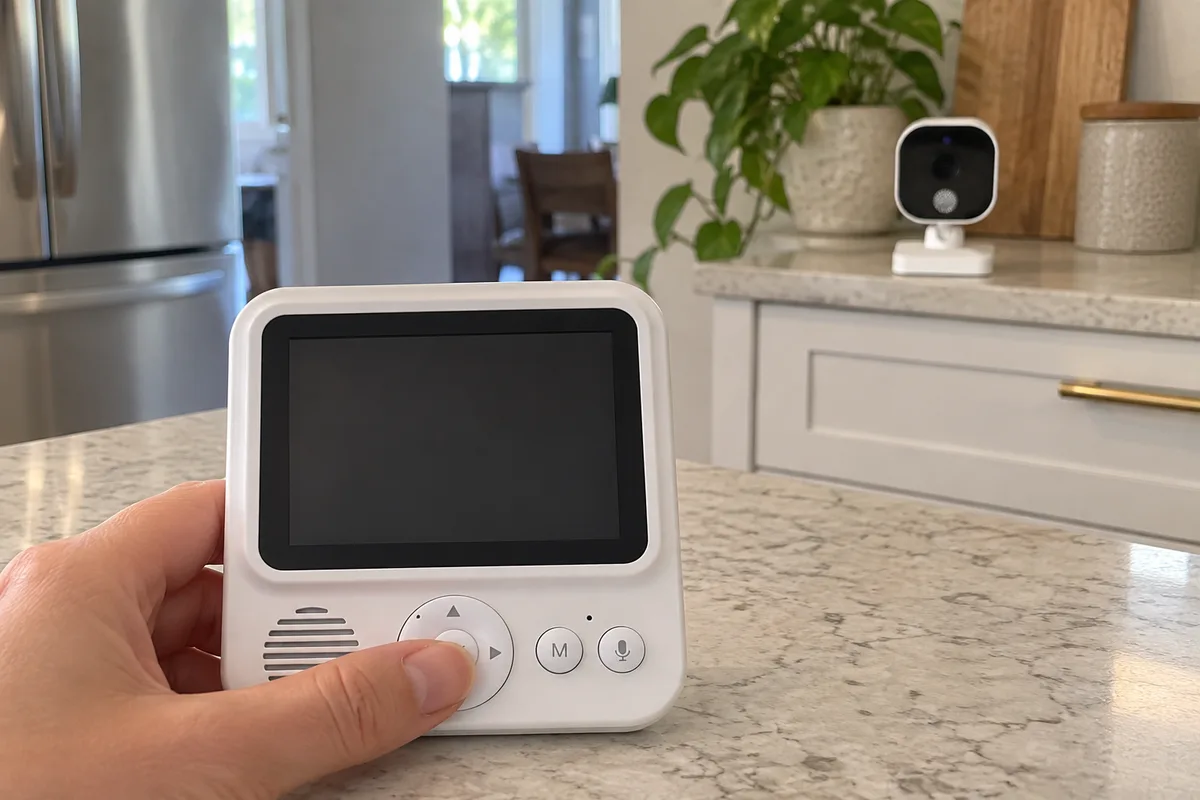
Agree the volume, operating mode, orientation, separation and room setup with the supplier. Use the same conditions in the sample report and purchase specification. A distance at default volume must not silently become a requirement at maximum volume elsewhere in the document.
How should the check be performed?
Follow the supplier’s procedure and start at a low playback setting. Keep speakers away from ears and stop the sound if a feedback tone starts. There is no need to stage a sustained loud screech or expose a child to the check.
What evidence covers production units?
Ask which checks apply to every unit, which use sampling and how failures are traced and corrected. Review the process against the agreed requirement rather than treating either a feature label or a vague “fully tested” statement as sufficient.
What must be rechecked after a change?
Repeat the relevant procedure after changes to firmware, gain, speaker, microphone or enclosure. Also confirm that the change has not weakened the wanted audio behavior or made the manual inaccurate.
What Else Do Buyers Ask About Feedback?
Does feedback automatically mean a defective unit?
No. Compare the observation with the intended setup and documented operating limits, then reproduce it with the supplier.
Is a digital monitor immune?
No. A microphone-speaker acoustic loop can still exist in a digitally connected system.
Is lowering volume always an adequate product fix?
It may change the immediate behavior, but the product must still meet its intended pickup and playback requirements. Evaluate design, controls and instructions together.
Should all brands use one minimum separation?
Do not assume a universal figure. The acceptance condition must identify the model, settings, orientation and test method.
Can an update change feedback behavior?
It may change processing or gain behavior if the platform supports it. Test the actual update and retain the firmware identity with the result.

For baby monitor audio feedback, clear engineering requirements are more useful than unsupported return-rate claims. Bring ANHONG your intended audio behavior, placement guidance and sample criteria when discussing a sourcing or OEM/ODM project.


