What Should Brands Verify in a Production Firmware-Programming Record?
Trace approved firmware, product scope, programming outcomes, exceptions, batch or unit links and release decisions in a controlled production record.
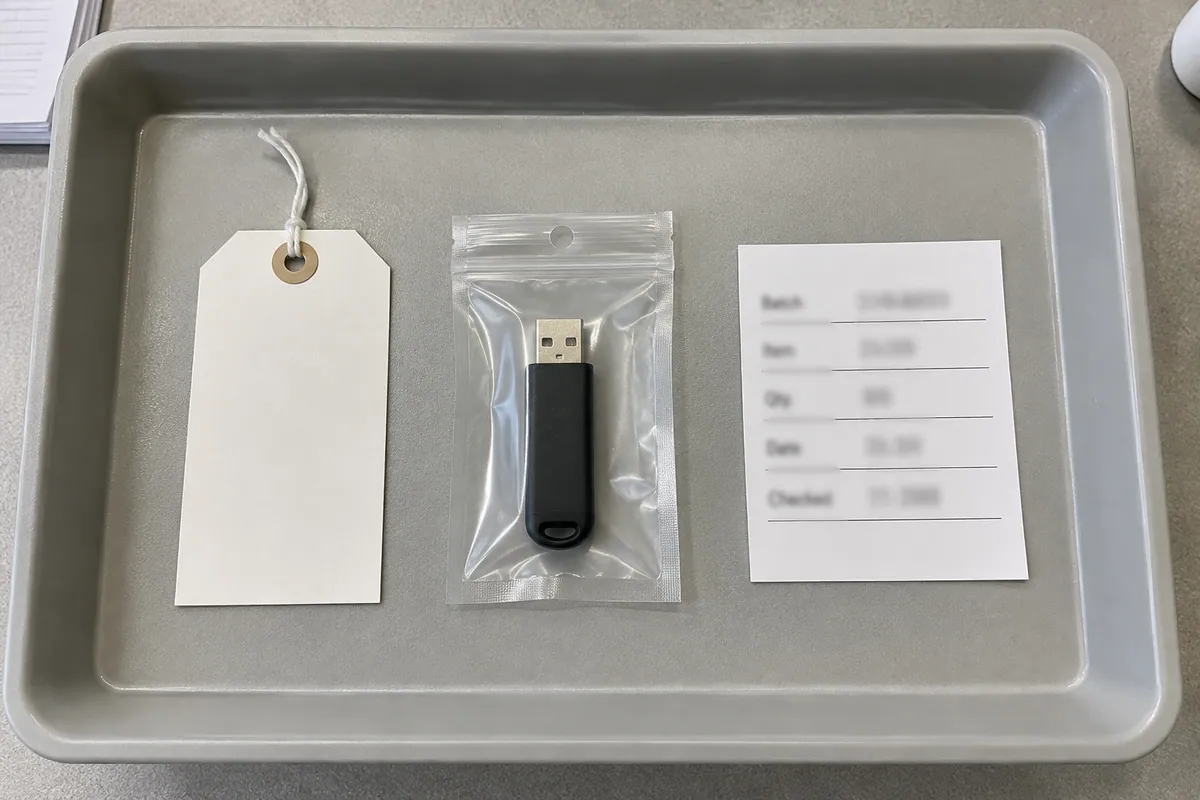
Brands should verify a production firmware-programming record by connecting the approved firmware artifact, the identified unit or batch, the programming result, and the decision made when a result is not as expected. A row that says “firmware loaded” is not enough to explain which file was used, what configuration it covered, whether the programming step completed, or how an exception was controlled.
This article proposes a Firmware Programming Trace Record for B2B baby-monitor production planning. It does not disclose firmware, programming commands, security keys, factory systems, or ANHONG production records. It also does not claim that every model uses the same programming route, device identity, or production check.
What Is the Record Actually Trying to Prove?
The record should support a limited, useful question: can the project trace an identified production unit or defined batch to the firmware artifact and programming result that the release decision relies on? Keep that question narrower than “the product is fully approved.” Firmware programming is one production handoff among hardware identity, function checks, packaging, and shipment release.
Start with the artifact identity. A practical record may retain the approved version label, controlled file identifier or hash where the project permits it, release status, target product configuration, and owner. Avoid informal names such as “latest” or a file sent through an untracked chat. If the project needs a signature, checksum, or controlled repository reference, the authorised software owner should define it; this article does not assume a particular technical control.

| Record field | What to identify | Decision it supports |
|---|---|---|
| Firmware artifact | Approved version or controlled identifier | Which release item was intended |
| Product scope | Hardware revision, configuration and applicable build scope | Whether the artifact belongs with the unit |
| Programming event | Station or process reference, date or batch context, operator/system identity as agreed | Where the event can be investigated |
| Result | Completed, failed, retry pending or exception status | What happened at the programming step |
| Unit or batch link | Approved trace identifier at the selected granularity | Which material the record covers |
| Follow-up | Retest, quarantine, review or authorised disposition | How a nonstandard result was controlled |
The exact data fields should follow the project and privacy boundaries. The purpose is traceability, not collecting every available manufacturing datum.
Why Must Artifact Identity Be Separate From the Programming Result?
An approved firmware artifact says what the project intended to use. A programming result says what the process reported for an identified event. Neither statement proves the other. An operator can select the wrong artifact; a correct artifact can be associated with a failed or incomplete event; a later function check may identify a question that needs investigation. Keep the fields separate so a release owner can see which question remains open.
This distinction also helps with a late firmware revision. When a buyer asks for a change, the record should not overwrite the earlier artifact identity. Add a new controlled entry, state which product scope it covers, and identify whether any samples, functional checks, documentation, or market review need updating. A broader approved-sample release pack covers more than this article; the focus here is the programming handoff and its trace link.
How Should Exceptions and Retries Be Recorded?
Preserve the original outcome. A retry can be a valid controlled action, but “passed after retry” should not erase the first result or make it impossible to ask why it occurred. Record the original event, the permitted retry or disposition route, the resulting status, and the owner of any unresolved question. Do not infer a root cause from the timestamp alone.
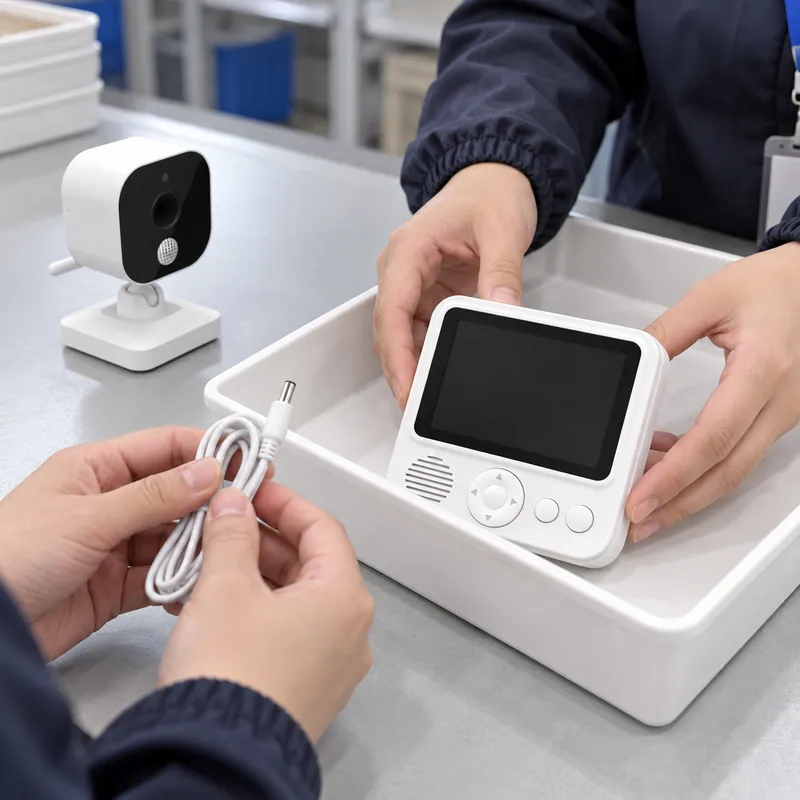
If a result requires quarantine, reprogramming, repair, or further review, the project should define who may authorize that route and what evidence is required before the item returns to the intended flow. A general quality record may link to that event, but the programming record should preserve the artifact and unit/batch relationship. It is not a substitute for the full functional or shipment-acceptance record.
What Granularity Should a Buyer Request?
Ask for the smallest granularity that supports the decision the brand needs to make. A unit-level link may matter when the project requires unit-specific traceability. A batch-level link may be appropriate for a defined controlled process and release scope. The choice should be explicit; never use a batch statement to imply a unit-level record that does not exist.
The buyer should also ask how the physical or electronic identity is kept aligned with the programming record when units move between stations or when labels are applied later. Do not assume a serial number is always available at the same point in every process. Instead, define the project’s trace anchor and the point at which the final product identity becomes linked. Keep confidential production details out of public-facing material.
ANHONG supports hardware, firmware, samples, mass production, quality testing, and B2B project coordination. That allows a brand to bring its approved configuration, firmware-release ownership, requested trace granularity, and exception expectations into a baby monitor product-development discussion. It does not demonstrate a standard station setup, firmware-signing process, or per-unit traceability for every ANHONG program.
How Does This Record Support a Production Release?
Review the Firmware Programming Trace Record against the approved product scope before a release decision. Confirm that the artifact is identified and authorised, the covered hardware/configuration is clear, programming outcomes are accounted for, exceptions are not hidden, and the selected unit or batch linkage matches the agreed evidence need. If a later check finds a question, link it to the record without rewriting the original event.
This complements, rather than repeats, a broader quality-control and testing review. The quality review asks what ordered functions and release evidence are relevant. The programming record gives one controlled input to that review. For an OEM or ODM project, also align firmware version references with baby monitor customization and the approved sample release documentation.
What Do Brands Ask About Firmware-Programming Records?
Does a programming-success flag prove every function works?
No. It records the programming event's stated result. Functional checks should be defined separately for the selected product configuration and release scope.
Can a firmware file name be the only artifact identity?
It can be one agreed field, but a controlled identifier, version, scope, owner, and release status make it less likely that an informal or ambiguous file name is treated as approved.
Should a retry overwrite the initial failure?
No. Preserve the original outcome and link the retry or authorised disposition. The history matters when reviewing exception scope.
Must every project trace firmware at unit level?
Not necessarily. Agree the required granularity before production, then state it honestly in the record. A batch link and a unit link support different conclusions.
For a configuration-specific programming-record discussion, contact ANHONG with the approved firmware scope, requested trace level, and exception-review needs.