How Should Brands Review No-Fault-Found Baby Monitor Returns?
Review no-fault-found baby monitor returns with controlled unit coverage, batch disposition, evidence gaps, and clear B2B follow-up decisions today.
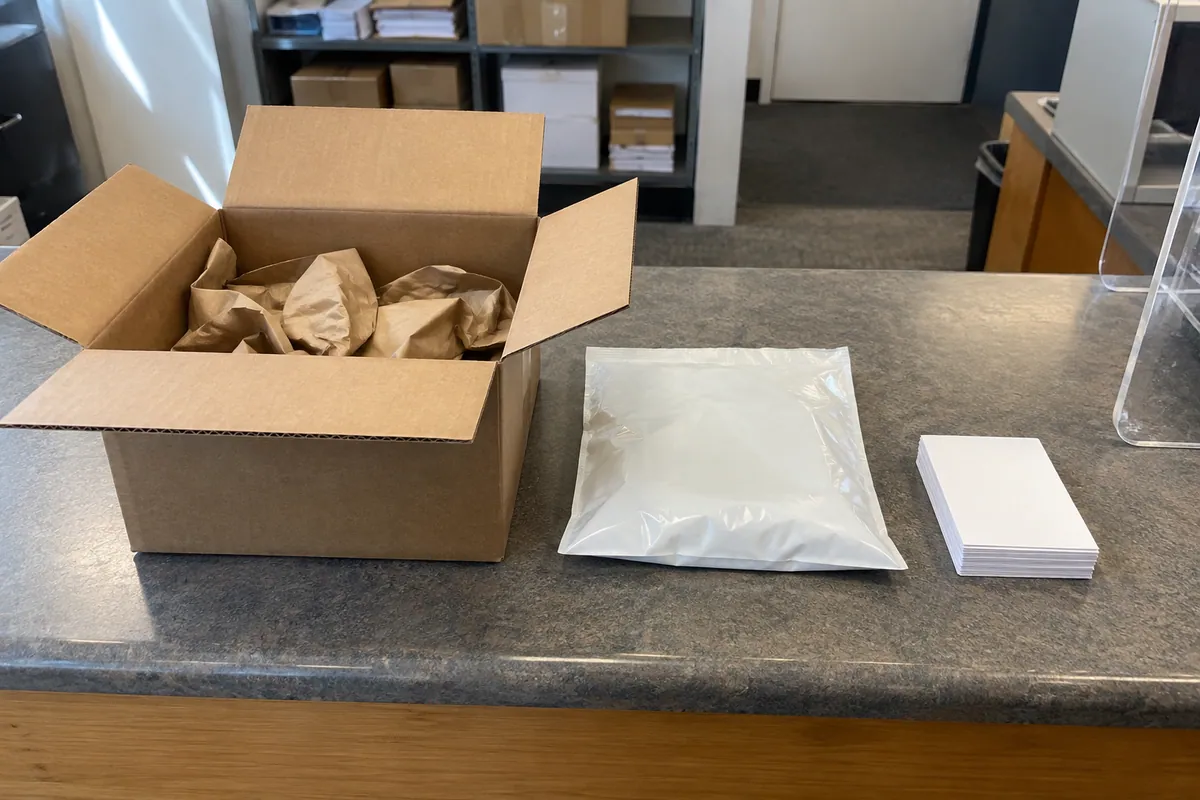
No-fault-found returns should be handled as a batch evidence and disposition problem, not as a reason to dismiss individual reports. When returned baby monitors do not reproduce a reported symptom under the available review conditions, a brand still has decisions to make: what evidence is missing, whether returns share a configuration pattern, whether stock should be isolated, and what customers or channel partners should be told. The aim is a controlled outcome, not a label that ends investigation.
This differs from a first complaint intake. Initial support needs enough information to understand one reported symptom. A no-fault-found review begins after returned units and their available evidence have entered a repeatable disposition process. ANHONG can support quality testing, samples, mass production, and B2B after-sales coordination, but the brand should define return authority, customer communication, and channel policy.
What Does “No Fault Found” Actually Mean?
It should mean only that the reported condition was not reproduced under the identified review conditions. It should not mean the user was mistaken, the unit was definitely sound in every condition, or no action is needed. The phrase needs three companions: the reported symptom, the review coverage, and the evidence gap. Without them, a batch can be returned to sale or written off without a traceable rationale.
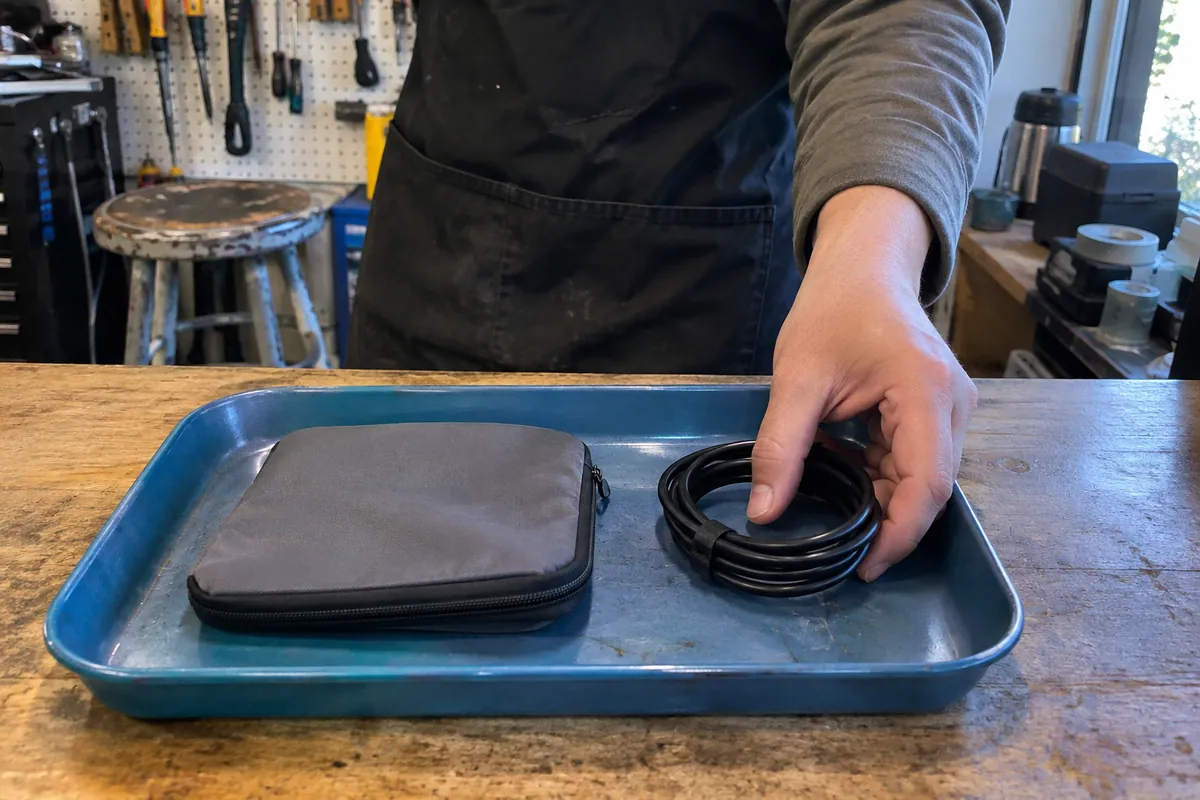
For each unit, preserve product identity, observed cosmetic condition, reported configuration if known, received accessories, software or hardware identifier if available, and the actual review route. Avoid collecting unnecessary family recordings or account data. The objective is enough product evidence to make a disposition decision, not a duplicate of the original customer story.
How Should a Brand Separate Unit Review from Batch Review?
| Level | Decision question | Required record |
|---|---|---|
| Unit | Was the reported condition reproduced under identified conditions? | Symptom, coverage, observed outcome, missing inputs |
| Pattern | Do multiple returns share a revision, accessory, route, or symptom family? | Grouping basis and exclusions |
| Stock | Should related inventory be held, sampled, or released? | Decision owner, scope, and reason |
| Channel | What can be stated to distributors or retailers? | Approved factual wording and next action |
The grouping is an investigation aid, not proof of a common cause. A similar complaint title, the same retailer, or a shared calendar week is not enough to announce a defect trend. Record why units were grouped and which units were excluded. If the evidence is thin, the honest batch result may be “insufficient coverage” rather than “no fault found.”
What Is a Useful Review Sequence?
First quarantine the record, not necessarily the whole product line. Identify the returned unit and keep its supplied accessory set together. Review the report against the actual received configuration. Then run only the agreed, safe, configuration-appropriate observation route. Record the result as reproduced, not reproduced under stated conditions, unable to evaluate, or requires further evidence. Do not change firmware, swap accessories, or alter the setup without recording it, because those changes can erase the relationship to the report.
Second, perform a coverage check. What condition was actually represented? If a report concerns a particular viewing route, cable, placement, account role, or environmental condition, note whether that factor was available. A non-reproduction result with major missing factors is not equivalent to a fully covered review. This distinction prevents a support team from using a convenient bench result to close a report that occurred elsewhere.
Third, review the batch only after unit records are controlled. Look for repeatable identifiers, not anecdotes: same confirmed model revision, same supplied accessory, same documented observation gap, or same returned condition. If a pattern is plausible, assign an owner and a bounded next action. If no pattern is supported, retain the evidence and define the return disposition rather than manufacturing a root-cause story.
Which Disposition Paths Are Available?
A brand can define several paths without assuming that one is correct for every return. A unit may require further evidence, a repeat review with a confirmed accessory, a technical evaluation, a controlled stock check, a customer-facing replacement decision, or a documented release according to the brand’s policy. The correct path depends on the confirmed configuration, channel agreement, and evidence coverage.
The important discipline is to separate operational treatment from causal language. A distributor may need a replacement even while technical cause remains unknown. A unit may be held for review even though no defect is established. These are commercial and quality-control decisions, not claims about a customer’s use or the entire SKU.
ANHONG can connect a defined return-evidence template to quality-control testing and B2B after-sales coordination. For a product or revision discussion, use baby monitor product development and contact ANHONG with the units, configuration scope, and requested next decision. Do not send personal household media unless the established support route specifically requires it.
How Should the Result Be Communicated?
Write the narrowest supported statement. “The reported symptom was not reproduced under the recorded review conditions; further evidence is requested” is clearer than “no problem found.” For a batch, say what was reviewed, what was not covered, and the next owner. Avoid publishing failure rates, reliability claims, or a cause unless confirmed evidence exists.
Keep the decision record available to purchasing, quality, product, and after-sales teams. If the same pattern reappears, prior unclosed gaps are often more valuable than a short closure code. A disciplined record lets a brand decide whether a later return is related without pretending that every return has the same cause.
What Else Should Brands Ask About No-Fault-Found Returns?
Does “not reproduced” mean the customer report can be ignored?
No. It records only what the stated review covered and what remains unknown.
Should every return trigger a stock hold?
No. Define a proportionate policy based on evidence, configuration scope, and channel responsibility.
Can several similar reports prove a common root cause?
Not without a controlled grouping basis and sufficient evidence.
Is a replacement decision the same as an engineering conclusion?
No. A commercial remedy and a technical cause should remain separate records.